Natural Gas

Molecular Sieve Solution for Natural Gas Dehydration & Treating

JALON supplies natural gas molecular sieves and activated alumina for natural gas dehydration, gas drying, selected sour-gas polishing, NGL treating and LNG pretreatment. Match the adsorbent to water load, contaminants, regeneration limits and the required outlet specification.
Where JALON Supports Your Process

Molecular Sieve Solutions Across Natural Gas Processing

Natural gas processing conditions change from one stream to another. A molecular sieve for natural gas must be selected around the required water specification, contaminant profile, phase condition, liquid carryover risk and regeneration cycle—not around a product grade alone.

Pipeline Gas Dehydration: Maintain a Reliable Water Specification

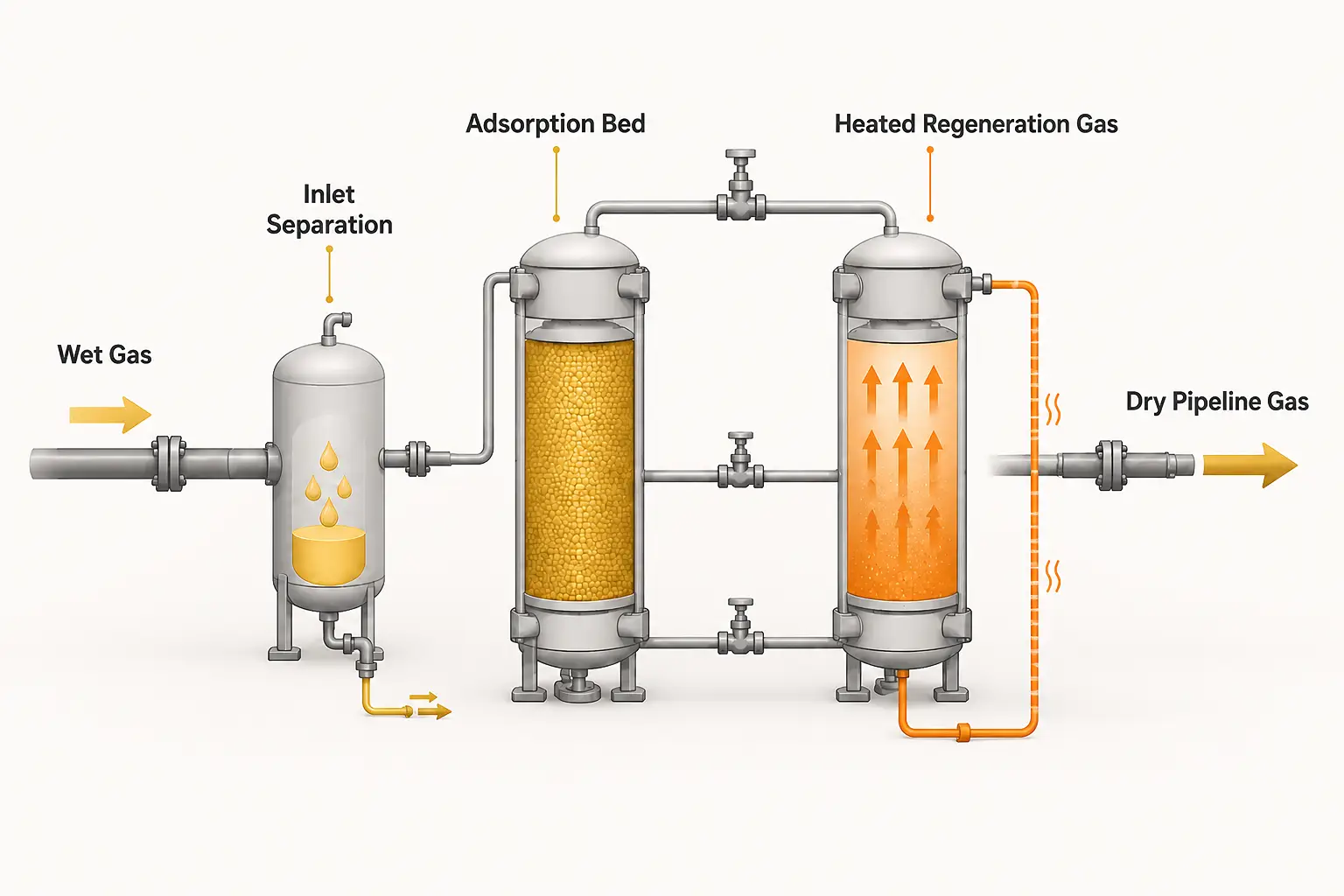
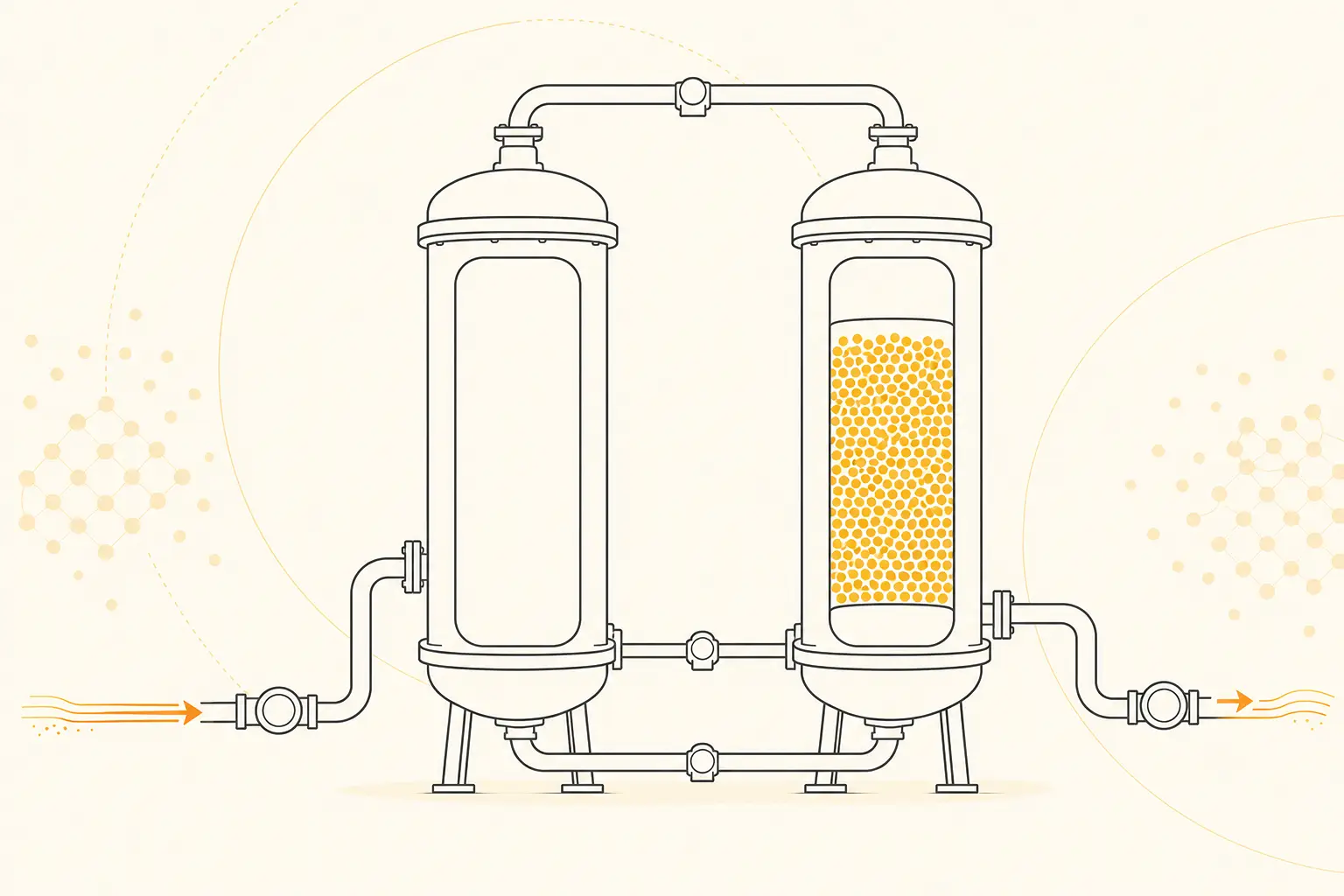
Natural gas must be dried before pipeline transport or further processing because water can create hydrates, accelerate corrosion and disrupt equipment. In a dehydration unit, feed passes through one adsorption vessel while another vessel is regenerated using a heated stream of treated gas or an alternative defined regeneration approach.

1. Feed conditioning — Verify liquid carryover risk, water loading, pressure, temperature and downstream water specification.

2. Deep dehydration — Use a molecular sieve bed to retain water; 3A or 4A selection depends on required selectivity and feed composition.

3. Cyclic regeneration — Restore working capacity by matching regeneration temperature, gas quality and cycle design to the selected material.

Pipeline Gas Dehydration: Maintain a Reliable Water Specification

Natural gas must be dried before pipeline transport or further processing because water can create hydrates, accelerate corrosion and disrupt equipment. In a dehydration unit, feed passes through one adsorption vessel while another vessel is regenerated using a heated stream of treated gas or an alternative defined regeneration approach.

1. Feed conditioning — Verify liquid carryover risk, water loading, pressure, temperature and downstream water specification.

2. Deep dehydration — Use a molecular sieve bed to retain water; 3A or 4A selection depends on required selectivity and feed composition.

3. Cyclic regeneration — Restore working capacity by matching regeneration temperature, gas quality and cycle design to the selected material.

Sour Natural Gas Treating: Define the Molecular Sieve Polishing Boundary

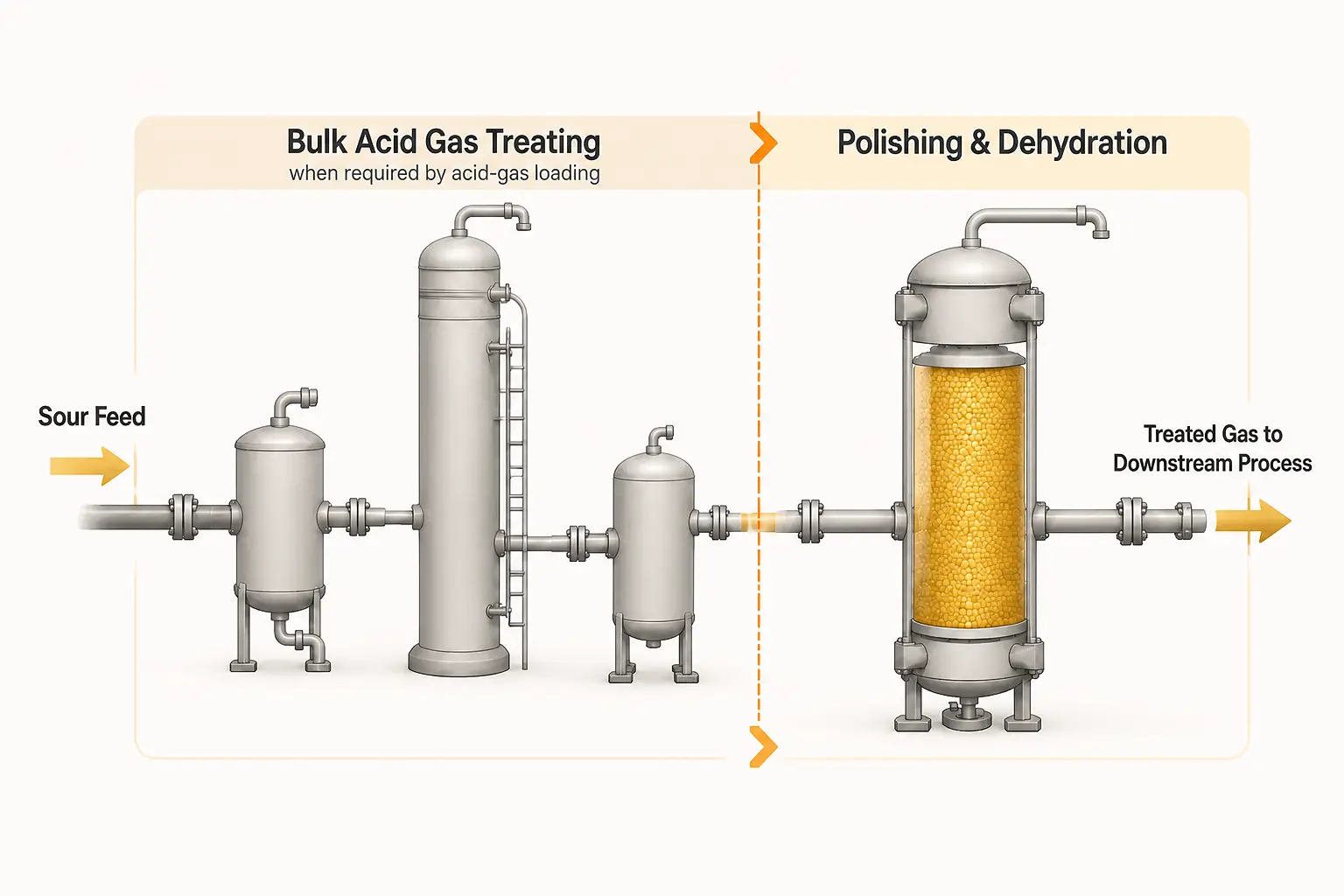
Sour gas composition can vary widely. The process question is not simply whether H₂S or CO₂ is present, but whether molecular sieves are being considered for dehydration, final polishing, sulfur-specification control or a broader upstream treating duty.

1. Define the acid-gas load — Quantify H₂S, CO₂, mercaptans, water and any hydrocarbon or liquid carryover.

2. Confirm process boundary — High acid-gas loading can require a dedicated upstream treating process before adsorption polishing.

3. Match the polishing duty — Select the molecular sieve only after confirming target outlet specification, COS-control needs and regeneration conditions.

Sour Natural Gas Treating: Define the Molecular Sieve Polishing Boundary

Sour gas composition can vary widely. The process question is not simply whether H₂S or CO₂ is present, but whether molecular sieves are being considered for dehydration, final polishing, sulfur-specification control or a broader upstream treating duty.

1. Define the acid-gas load — Quantify H₂S, CO₂, mercaptans, water and any hydrocarbon or liquid carryover.

2. Confirm process boundary — High acid-gas loading can require a dedicated upstream treating process before adsorption polishing.

3. Match the polishing duty — Select the molecular sieve only after confirming target outlet specification, COS-control needs and regeneration conditions.

NGL & Liquid Hydrocarbon Treating: Protect Recovery and Finish Product Quality

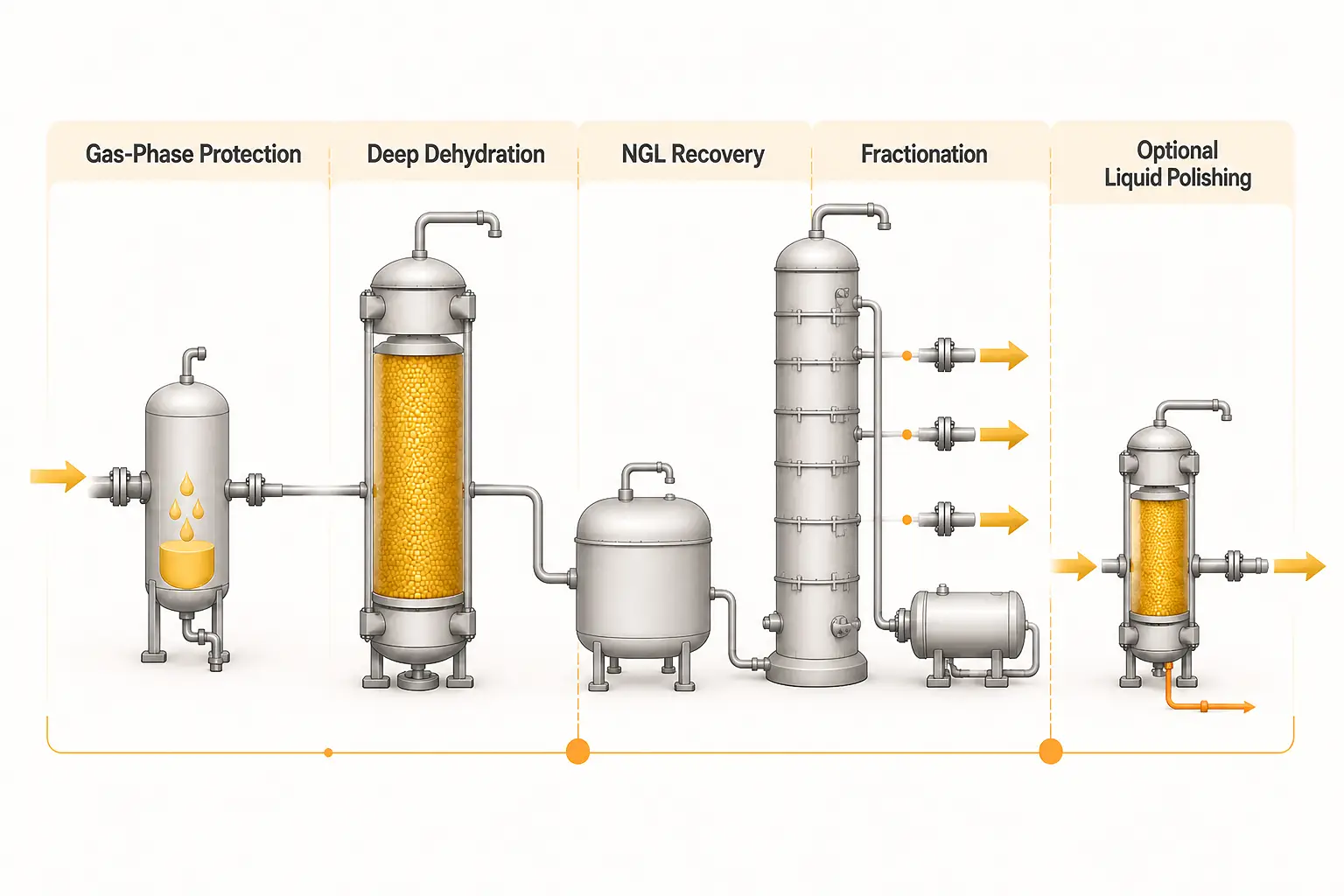
In NGL operations, adsorption can play two distinct roles. Before cryogenic recovery or fractionation, deep dehydration protects low-temperature and separation equipment. After recovery, selected liquid hydrocarbon streams may require further removal of water, sulfur species or oxygenates to meet product quality requirements.

1. Gas-phase protection — Dry the feed before low-temperature recovery and fractionation to avoid operational instability.

2. Recover and separate — Recover NGL components, then identify whether liquid-product treating is required.

3. Liquid-hydrocarbon polishing — Match pore size and adsorption selectivity to the impurities present in LPG, propane, butane or condensate streams.

NGL & Liquid Hydrocarbon Treating: Protect Recovery and Finish Product Quality

In NGL operations, adsorption can play two distinct roles. Before cryogenic recovery or fractionation, deep dehydration protects low-temperature and separation equipment. After recovery, selected liquid hydrocarbon streams may require further removal of water, sulfur species or oxygenates to meet product quality requirements.

1. Gas-phase protection — Dry the feed before low-temperature recovery and fractionation to avoid operational instability.

2. Recover and separate — Recover NGL components, then identify whether liquid-product treating is required.

3. Liquid-hydrocarbon polishing — Match pore size and adsorption selectivity to the impurities present in LPG, propane, butane or condensate streams.

LNG Pretreatment: Protect the Cryogenic Train Before Liquefaction

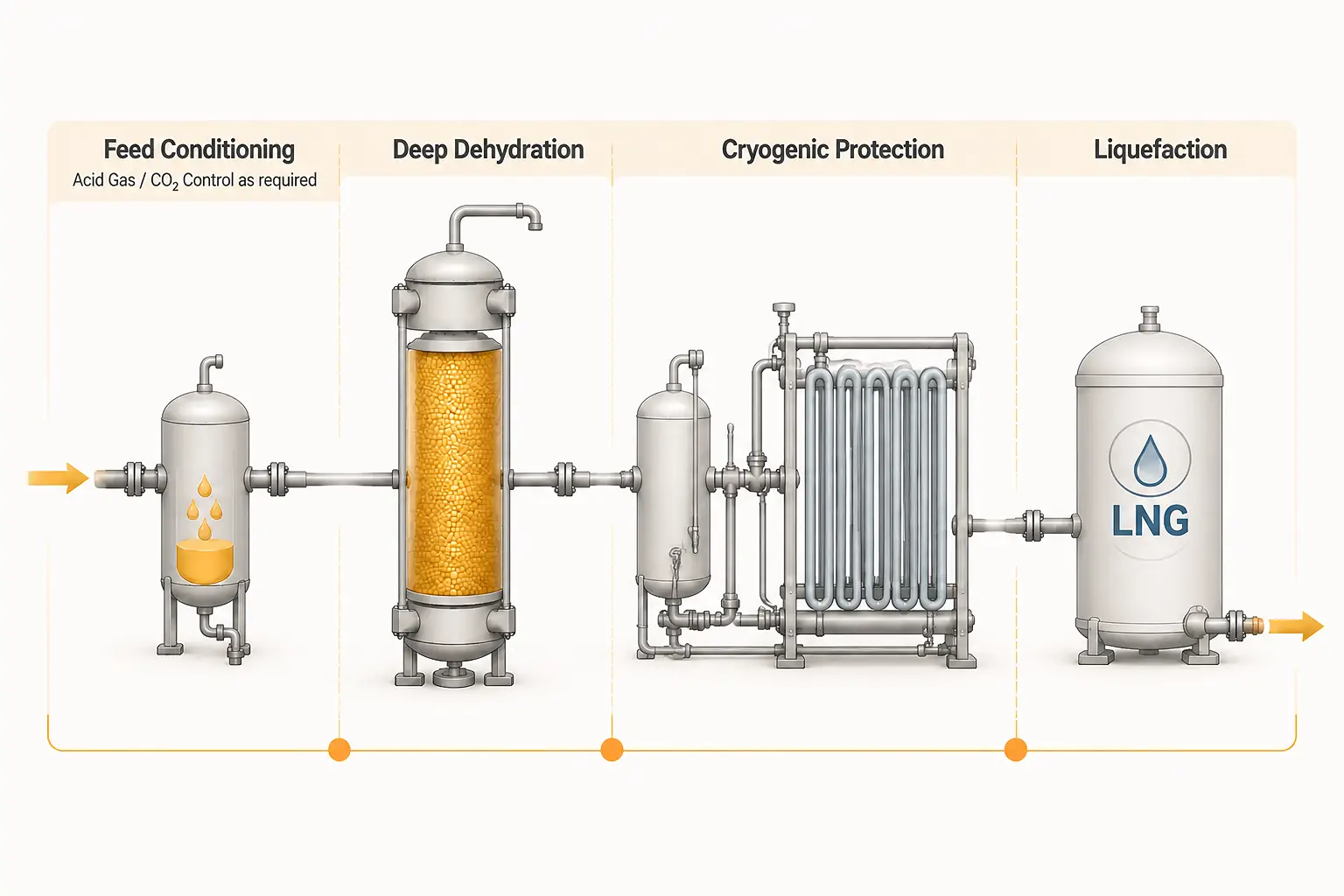
LNG feed gas must be conditioned before entering low-temperature liquefaction equipment. The relevant question is whether the dehydration and contaminant-control system can consistently maintain the required specification over repeated adsorption and regeneration cycles.

1. Characterize feed gas — Confirm water, CO₂, acid gas, heavy hydrocarbon and carryover conditions before the dehydration bed.

2. Achieve deep dehydration — Select a molecular sieve and bed configuration that align with the required low-temperature protection target.

3. Preserve cyclic stability — Control regeneration so working capacity, bed integrity and product quality remain reliable over time.

LNG Pretreatment: Protect the Cryogenic Train Before Liquefaction

LNG feed gas must be conditioned before entering low-temperature liquefaction equipment. The relevant question is whether the dehydration and contaminant-control system can consistently maintain the required specification over repeated adsorption and regeneration cycles.

1. Characterize feed gas — Confirm water, CO₂, acid gas, heavy hydrocarbon and carryover conditions before the dehydration bed.

2. Achieve deep dehydration — Select a molecular sieve and bed configuration that align with the required low-temperature protection target.

3. Preserve cyclic stability — Control regeneration so working capacity, bed integrity and product quality remain reliable over time.

Selection Starts with Your Process

Choose the Right Molecular Sieve for Natural Gas Treating

01 · Feed condition

Check the feed

Gas, liquid or mixed phase? Identify water, oil, amine and hydrocarbon carryover.

02 · Water duty

Set the target

Decide whether the requirement is inlet protection, conventional drying or deep dehydration.

03 · Contaminant map

Define the removal duty

Map CO₂, H₂S, mercaptans and oxygenates against the required outlet limit.

04 · Operating window

Confirm the cycle

Review regeneration method, temperature, pressure, vessel geometry and pressure-drop window.

05 · Product route

Shortlist & validate

Match protection layer, molecular-sieve family, particle form and grade to the duty.

3A

Selective deep dehydration

3A Molecular Sieve

Selectively removes water while excluding hydrocarbons (C₂+), preventing co-adsorption that can reduce cycle efficiency.

Position in process:  Deep-drying layer, typically after inlet separation and activated alumina guard bed.

Explore product →

4A

General-purpose dehydration

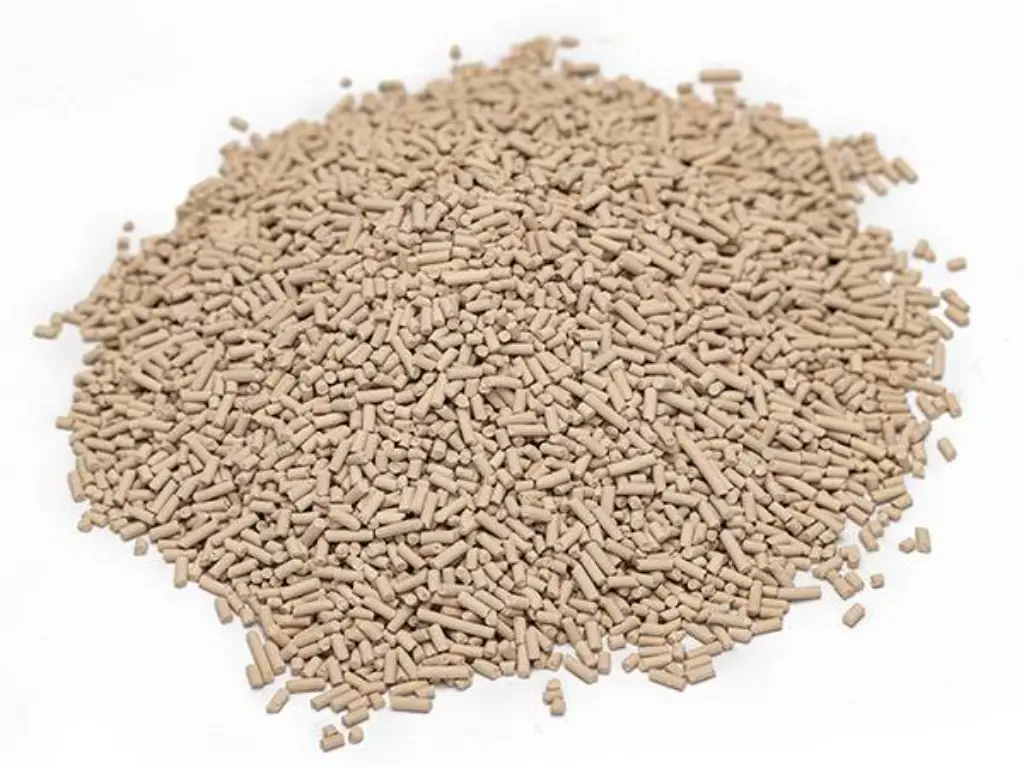
4A Molecular Sieve

Reliable water removal for natural gas and hydrocarbon streams where moderate selectivity is acceptable.

Position in process: Main dehydration bed, often as a standalone layer in conventional TSA units.

Explore product →

5A

Selected polishing duty

5A Molecular Sieve

Separates normal paraffins from branched/cyclic hydrocarbons; also used in PSA hydrogen purification for CO/N₂/CH₄ removal.

Position in process: Dedicated separation unit or PSA adsorption bed, separate from the gas dehydration train.

Explore product →

13X

Broader impurity removal

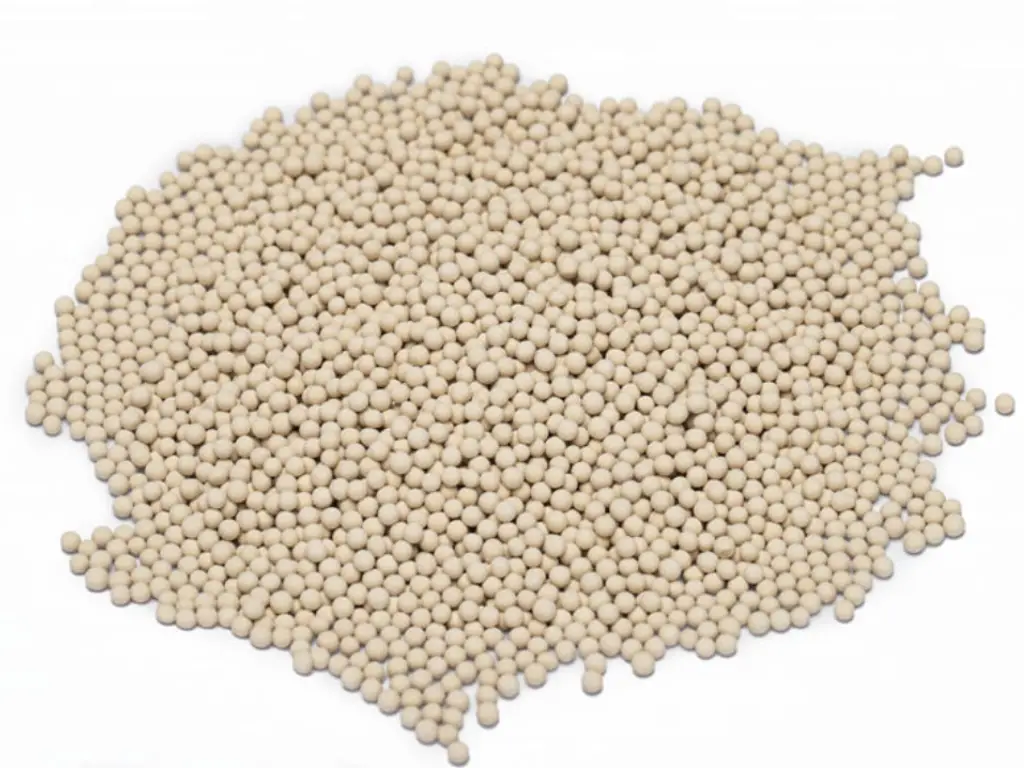
13X Molecular Sieve

Removes moisture, CO₂, H₂S and larger sulfur species/oxygenates in a single bed—ideal for complex contaminant profiles.

Position in process: Polishing bed after bulk acid-gas removal (amine unit), or combined dehydration/CO₂ removal in LNG pretreatment.

Explore product →

AA

Inlet protection

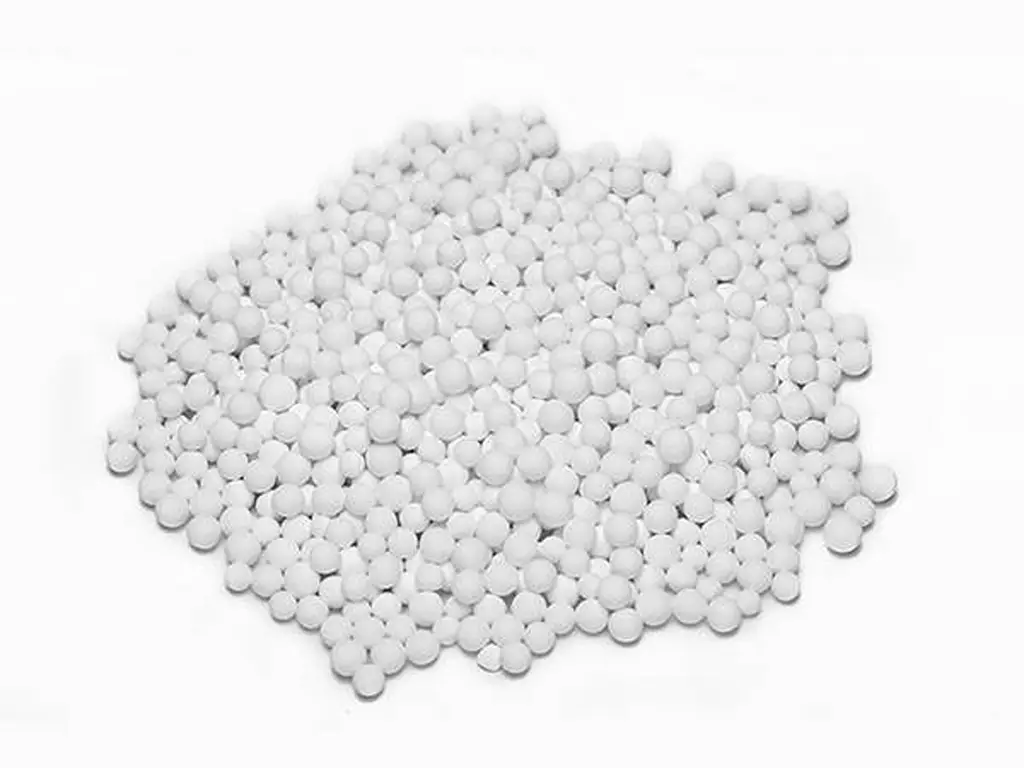
Activated Alumina

Acts as a guard bed to absorb liquid water and heavy hydrocarbon carryover, protecting the molecular sieve bed from damage and premature fouling.

Position in process: Upstream guard layer, directly after inlet separator and before the molecular sieve dehydration bed.

Explore product →

Protect the Full Operating Cycle

Reliable Performance Is More Than a Product Specification

JALON has specially designed molecular sieves with high water adsorption capacity and carbon dioxide capacity, excellent hydrothermal stability, and good dynamic characteristics for natural gas dehydration.

01 · Cycle economics

Working Capacity

Capacity determines how much water or contaminant the bed can hold before breakthrough. It directly affects cycle length, regeneration frequency and installed inventory.

JALON focus: Working capacity is validated on our 30 Nm³/h pilot PSA/VPSA unit under dynamic conditions that mirror your actual stream, not just static lab data. DCS process testing on every batch ensures the figure you plan with matches field performance.

02 · Bed integrity

Crush Strength

A deep industrial bed carries the weight of material above it while experiencing pressure changes and gas-flow forces. Weak particles can break, redistribute the bed and create uneven flow.

JALON focus: Real-time cooling and speed control during forming builds strength into every bead, verified by intelligent crush-strength testers. Typical 4A grades exceed 70 N, with 200 g samples retained from each batch for three-year traceability.

03 · Pressure-drop control

Low Attrition

Fines do more than make the bed look dusty: they can raise pressure drop, contaminate downstream equipment and accelerate wear on valves and controls.

JALON focus: Laser particle-size monitoring keeps granulation uniform, eliminating the size spread that causes channeling and dust. Beads are attrition-tested and sealed below 50% humidity so they reach your site intact.

04 · Feed resilience

Hydrothermal & Chemical Stability

Water spikes, acid-gas exposure and unsuitable thermal conditions can change adsorption behaviour or reduce useful life. Stable operation begins with knowing what the feed can do to the bed.

JALON focus: We engineer crystal type, Si/Al ratio, and cation composition to match your acid-gas and thermal limits. Stability under your edge cases is confirmed by our 91-person R&D team across six provincial platforms before release.

05 · Regeneration economics

Regeneration Compatibility

A material that adsorbs well but does not regenerate effectively loses working capacity over time. Regeneration conditions influence energy demand, cycle time and long-term bed performance.

JALON focus: Pilot-unit cycle testing maps capacity retention against your regeneration temperature and gas quality. Our field engineers then define the operating window, drawing on 20 years of natural-gas and petrochemical unit experience.

06 · Upset protection

Inlet & Bed Protection

Liquid water or hydrocarbon carryover can overload a molecular-sieve bed, slow mass transfer and create a difficult regeneration event. Protection is often less costly than an early replacement.

JALON focus: We specify activated-alumina guard layers and bed configurations from your feed drawings and water-load data. Layer ratios and loading procedures are engineered upfront, with on-site fill supervision available when required.

From Selection to Stable Operation

Technical and Supply Support for Natural Gas Molecular Sieve Projects

From natural gas dehydration design review to supplier replacement and scheduled reloads, JALON supports the technical and supply decisions that protect bed performance over the operating life of the unit.

Match the Adsorbent to the Actual Gas Stream

Our engineers start from your stream conditions before recommending any material. We deliver a project analysis report that maps the right adsorbent to your water specification, regeneration limits and contaminant profile.

Protect Natural Gas Dehydration Cycles with Batch-Level Controls

JALON tests every released batch for adsorption capacity, crush strength, particle size and attrition.

200g / 3 years

retained reference sample and quality-control record for batch review

Protect Natural Gas Dehydration Cycles with Batch-Level Controls

For a natural gas molecular sieve bed, adsorption capacity, strength, particle size and attrition influence breakthrough timing, fines generation and pressure-drop behavior.

200g / 3 years

retained reference sample and quality-control record for batch review

Maintain Qualified Supply for Molecular Sieve Reloads

For a natural-gas unit, qualified adsorbent continuity matters beyond the first loading. JALON’s stated production capacity and DCS-controlled manufacturing help support planned supply for new projects, supplier replacement and scheduled reloads.

Verified Systems Behind Reliable Adsorbent Supply

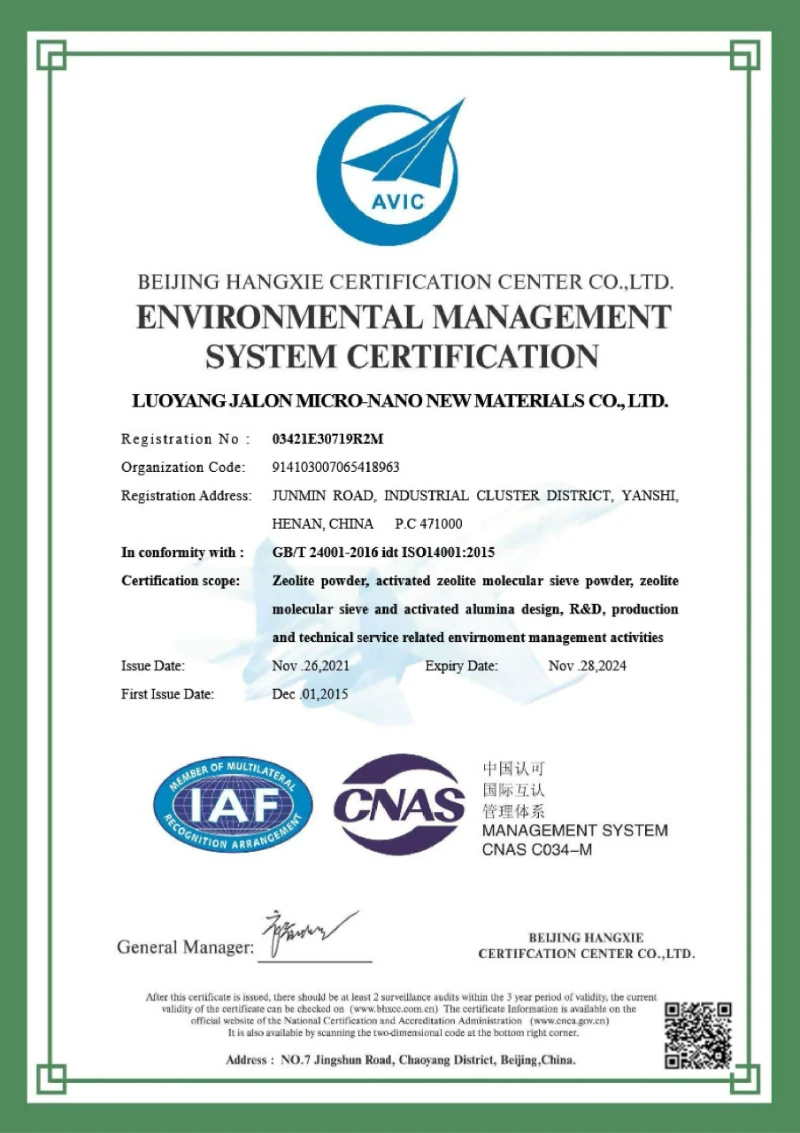
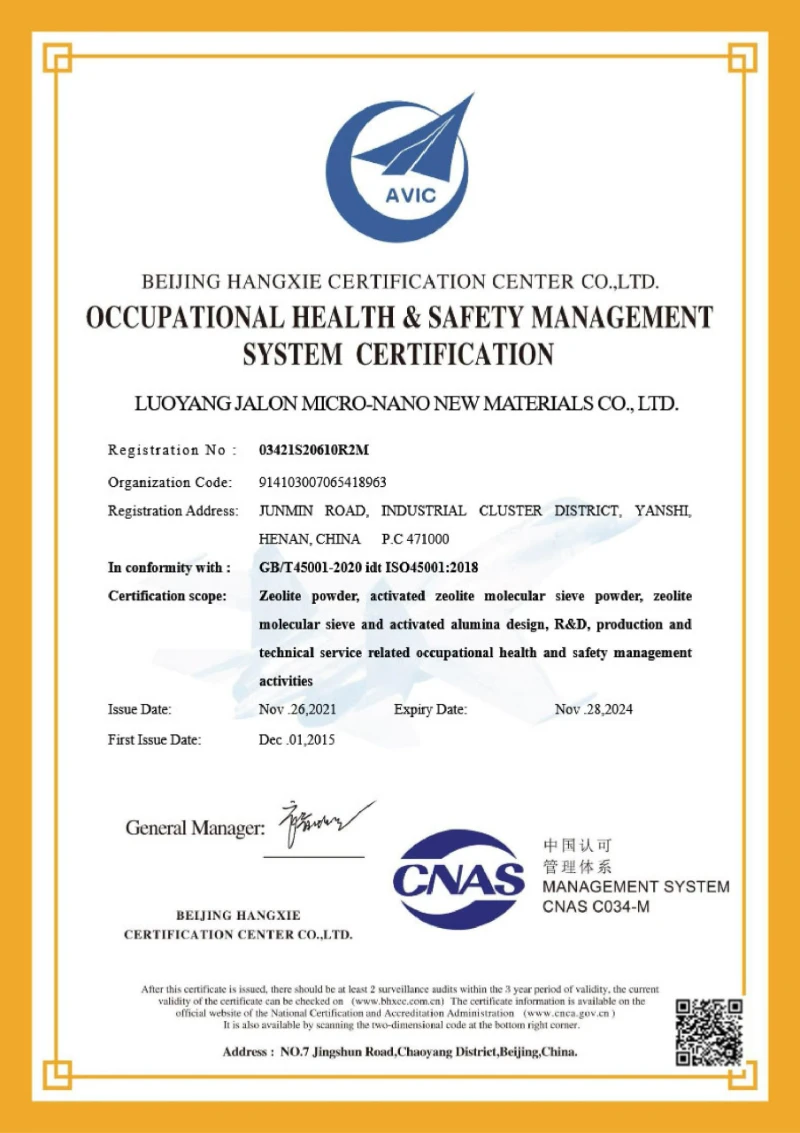
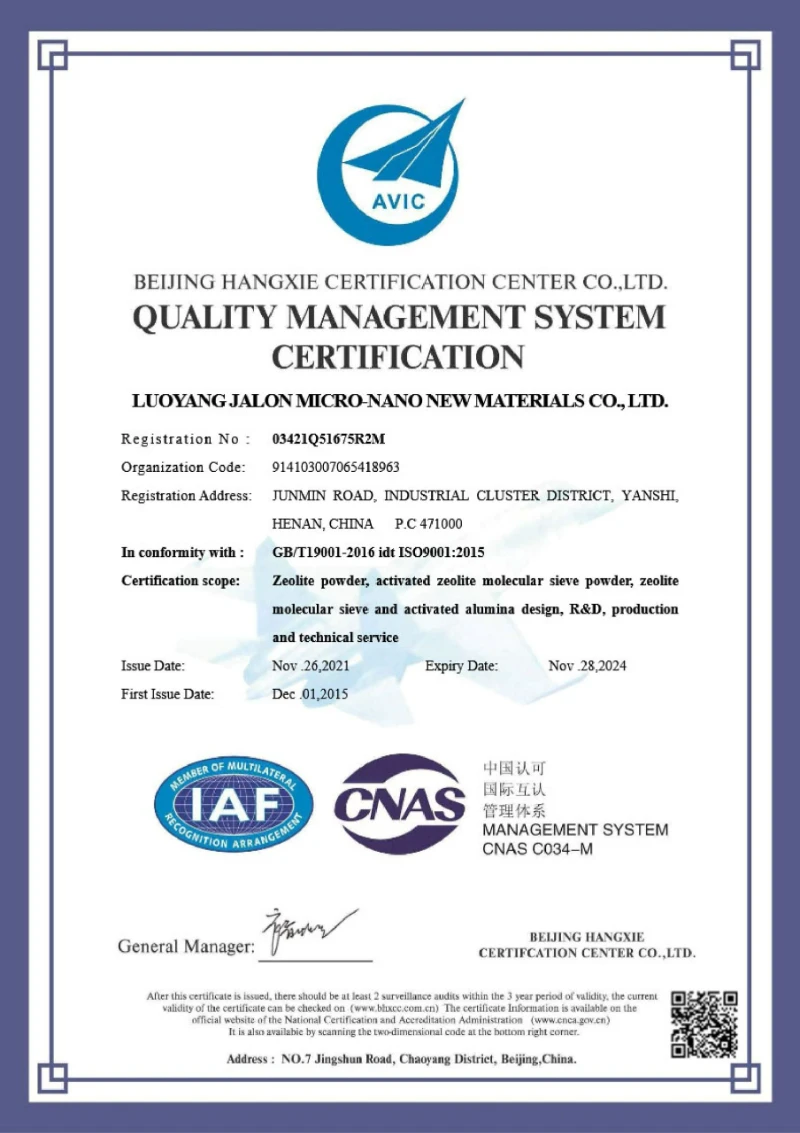
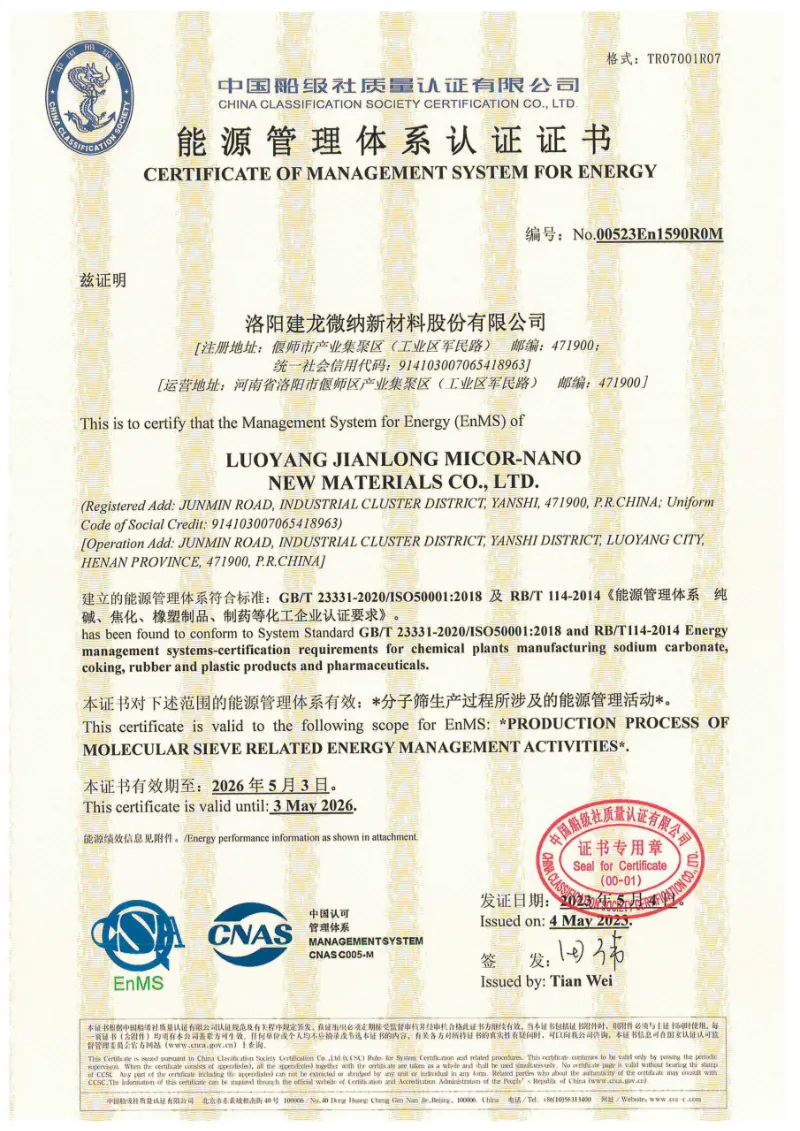
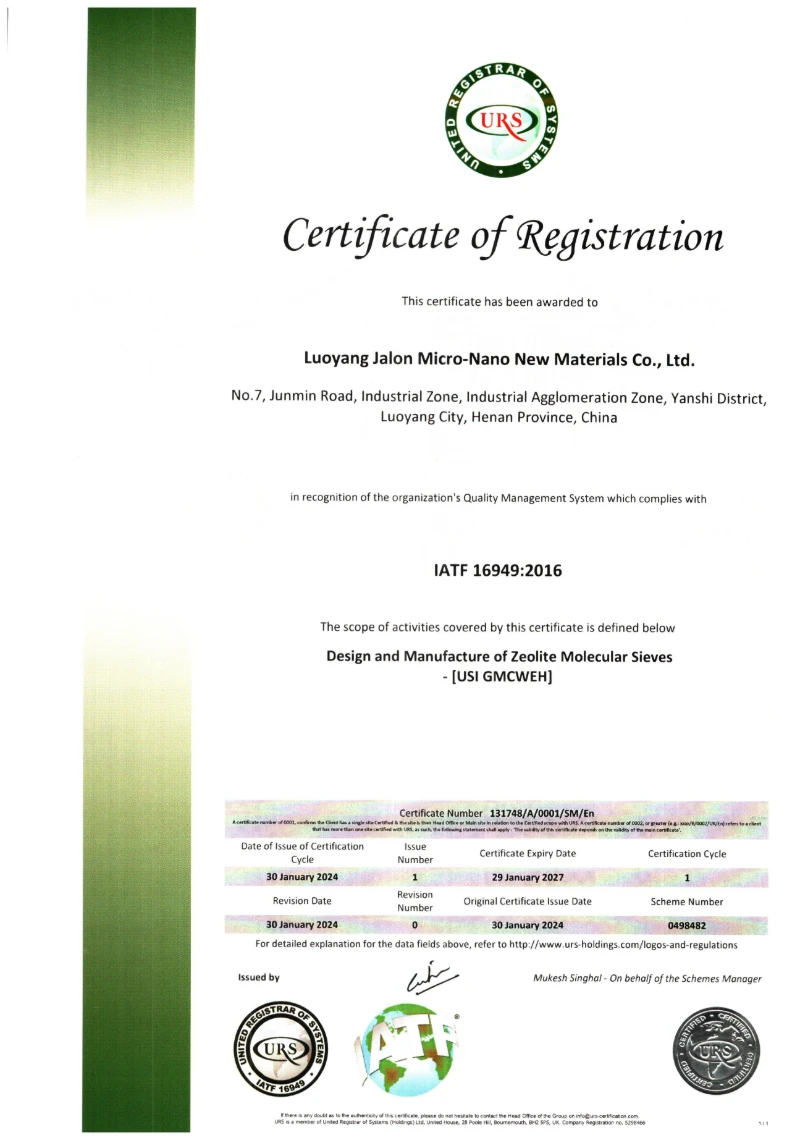
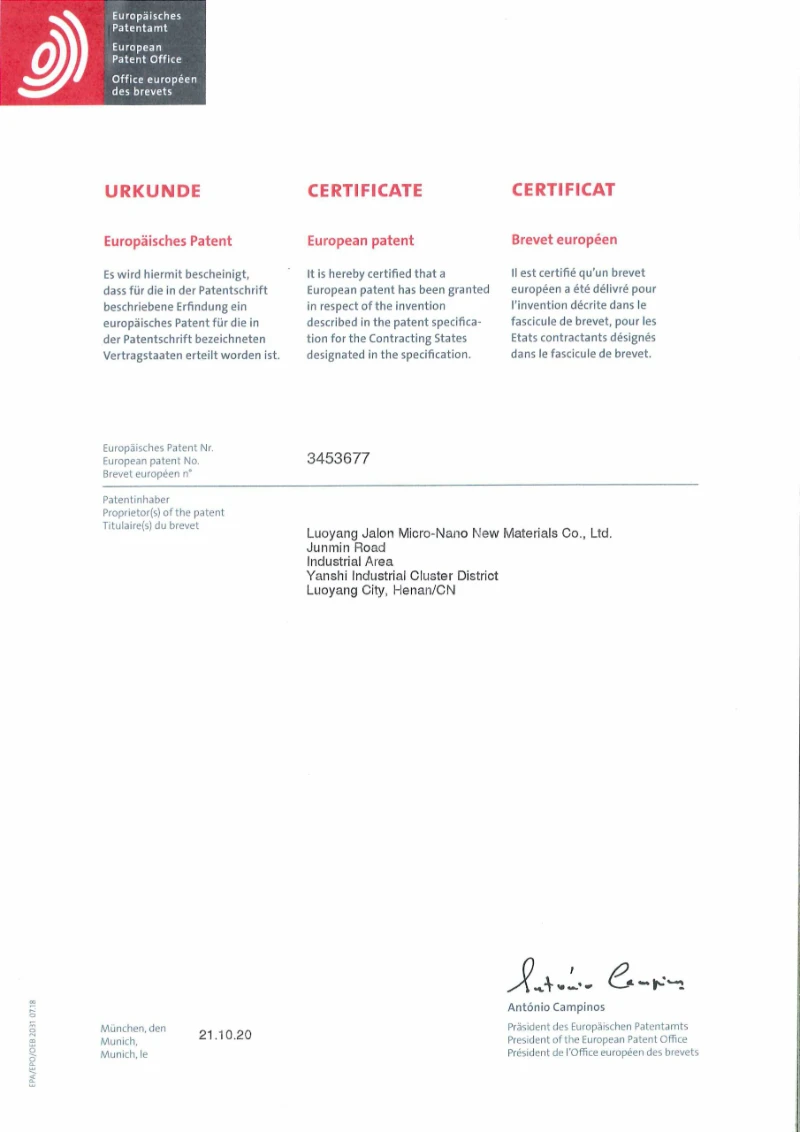
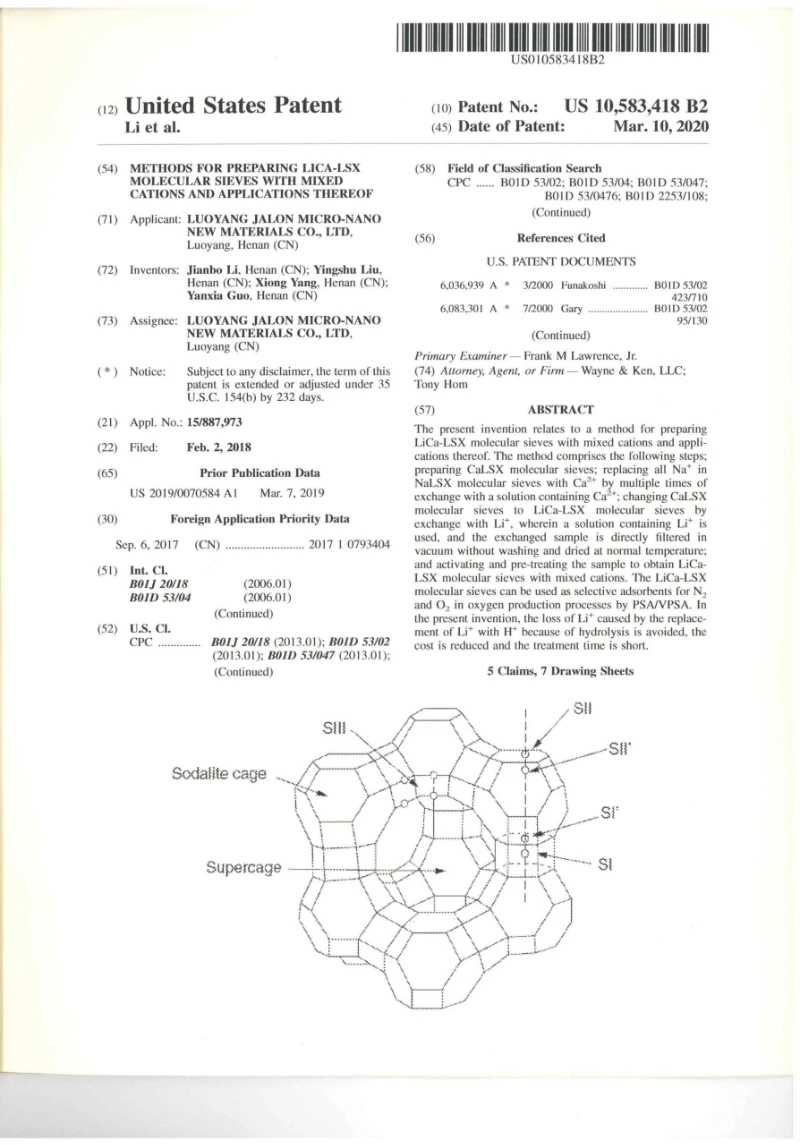
For natural gas treating projects, material selection must be supported by controlled manufacturing and traceable quality systems. Review JALON’s current management-system certificates and supporting documentation.

Frequently Asked Questions

3A and 4A molecular sieves are commonly assessed for natural gas dehydration. The right choice depends on the water specification, hydrocarbon and contaminant profile, liquid carryover risk, and the regeneration conditions available in the unit.
3A is considered where selective water uptake and reduced co-adsorption of larger molecules are important. 4A is a general-purpose option for defined natural gas drying duties. Selection should be confirmed against the feed composition, outlet water target and regeneration cycle.
A molecular sieve can support dehydration, selected contaminant control and polishing duties in natural gas treating. It is not a default replacement for dedicated bulk CO2 or H2S removal where acid-gas loading is high. Define the molecular sieve duty within the complete treating and regeneration-gas handling scheme.
Activated alumina may be considered as an upstream protection or bulk-water-removal layer where high water load or liquid carryover could upset a downstream natural gas molecular sieve dehydration bed. It is a conditional bed-design choice, not a fixed requirement for every unit.
Possible causes include unexpected liquid water, oil or amine carryover; unsuitable regeneration conditions; mechanical degradation; or a mismatch between the natural gas feed and the selected material or particle form. Review outlet moisture, pressure drop, regeneration history and inlet separation performance together before assigning a root cause.
Yes, but an equivalent product name alone is not enough. Compare adsorption duty, capacity, crush strength, attrition, bulk density, particle-size distribution, bed geometry and regeneration conditions, then review the actual operating history before reloading.

In Needs of Molecular Sieve Solution?

Get a Free Quote

Our professional engineers are ready to help your project

JALON JLOED MOLECULAR SIEVES USED FOR ELECTROLYTE DEHYDRATION

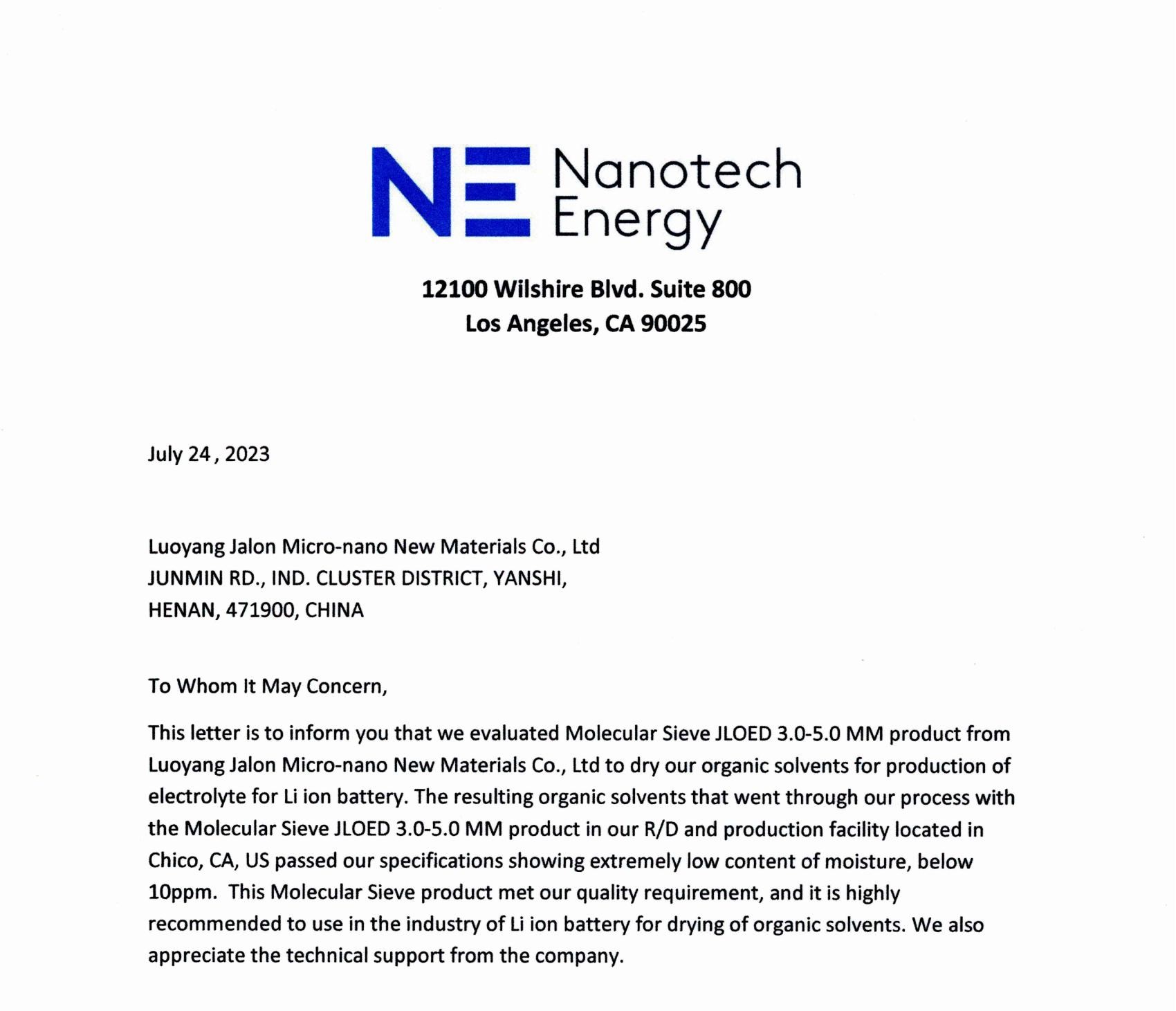
This letter is to inform you that we evaluated Molecular Sieve JLOED 3.0-5.0 MM product from Luoyang Jalon Micro-nano New Materials Co., Ltd to dry our organic solvents for production of electrolyte for Li ion battery. The resulting organic solvents that went through our process with the Molecular Sieve JLOED 3.0-5.0 MM product in our R/D and production facility located in Chico, CA, US passed our specifications showing extremely low content of moisture, below 10ppm. This Molecular Sieve product met our quality requirement, and it is highly recommended for use in the industry of Li ion battery for drying of organic solvents. We also appreciate the technical support from the company.

Nanotech Energy

Related Products
Cryogenic air separation unit Project
Yuntianhua United Commerce Co., Ltd. 52000 Nm3/Cryogenic air separation unit Project

Luoyang Jalon Micro-nano New Materials Co., Ltd. JLPM series molecular sieves are mainly used for cryogenic drying of general industrial gases. The purification system in the air separation unit removes H2O and CO2, as well as natural gas and other hydrocarbon desulfurization (removal of H2S and mercaptans) and CO2.


It is worth mentioning that Yuntianhua United Commerce Co., Ltd. Company 52000 Nm3/Cryogenic air separation unit project. The design and manufacture method of the air separation unit by air, adsorber adopt vertical radial flow design, processing capacity of 311352 nm3 / h, 5.13 Bar (A) adsorption pressure, loading type my company JLPM3 efficient molecular sieve 92 tons, 107 tons of activated alumina, can ensure that the CO2 content in the air mean 1000 parts per million (2000 PPM) instantaneous equipment and stable operation, export CO2 molecular sieve < 0.1 PPM.

The fifth-generation high-performance molecular sieve JLPM1 is an advanced molecular sieve used in the pre-purification unit (APPU) of air separation equipment. Compared with previous generations, the fifth-generation high-performance molecular sieve JLPM1 has significantly improved CO2 adsorption capacity; the fifth-generation high-performance molecular sieve JLPM1 will bring multiple benefits to air separation designers and operators. For the design of the new air separation plant, the application of the fifth-generation high-performance molecular sieve JLPM1 can make the air separation occupy a smaller area, thereby reducing equipment investment and operating costs. The fifth-generation high-performance molecular sieve JLPM1 can also be used for the transformation of old equipment, which can reduce energy consumption or improveair separation processing capacity.

Related Products
Zhuhai Yueyufeng Iron and Steel Co., Ltd. 30000Nm3/h pressure swing adsorption (VPSA) oxygen production project

Oxygen molecular sieve is an important material to ensure the work of VPSA oxygen production equipment. This project is another successful case of our JLOX-103 lithium-type high-efficiency oxygen molecular sieve.


The 30000Nm3/h pressure swing adsorption (VPSA) oxygen production project of Zhuhai Yueyufeng Iron and Steel Co., Ltd., designed and built by CSSC Huanggang Precious Metals Co., Ltd., was successfully started up on June 27, 2019. As of May 29, 2020, the device has been operating stably for 11 months, and all indicators are better than the design indicators. It has been highly recognized and praised by customers, and has created a cumulative effect of 150 million yuan per year for the enterprise. At the same time, the project has realized intelligent oxygen production, mobile control and remote monitoring to guide production, helping to realize the green and intelligent promotion of the industry.


The project uses 4 sets of pressure swing adsorption (VPSA) oxygen generators in parallel. The single set of device is designed to produce 7500Nm3/h of oxygen and 80% oxygen purity. It is filled with our company (Luoyang Jalon Micro Nano New Materials Co., Ltd.) JLOX-103 lithium-type high-efficiency oxygen molecular sieve is 68 tons, the actual oxygen output reaches 7650Nm3/h, and the oxygen concentration is above 82.3%. The 4 sets of equipment in this project are filled with 272 tons of our JLOX-103 oxygen molecular sieve, with a total oxygen production of more than 30000Nm3/h.


Oxygen molecular sieve is an important material to ensure the operation of VPSA oxygen production equipment. This project is another successful case of our company’s JLOX-103 lithium-type high-efficiency oxygen molecular sieve.

Luoyang Jalon Micro-nano New Materials Co., Ltd. JLOX-100 series high-efficiency oxygen generation molecular sieve is a lithium X-type aluminosilicate crystal, which is an oxygen generation molecular sieve with international advanced level. Widely used in: iron and steel, non-ferrous metallurgy, chemical industry, furnace energy-saving transformation, environmental protection, papermaking, aquaculture, medical care and other industries.

Related Products