Lithium Molecular Sieve: A Technical Buyer’s Guide to Oxygen Generation Adsorbents
If you are sourcing adsorbent media for an oxygen concentrator, you have almost certainly encountered the term “lithium molecular sieve.” Whether your application is a portable medical device or a multi-thousand-Nm³/h industrial VPSA plant, you have also probably noticed that lithium-type sieves command a significant price premium over conventional sodium-type alternatives — and that every manufacturer claims their grade is the best.
This guide bridges the gap between marketing claims and engineering reality. It explains what lithium molecular sieve actually is, how it outperforms sodium-type materials in measurable terms, and, most importantly, how to match the right grade to your specific application. No brand pitches. Just the technical framework you need to make a data-backed decision.
What Is a Lithium Molecular Sieve?
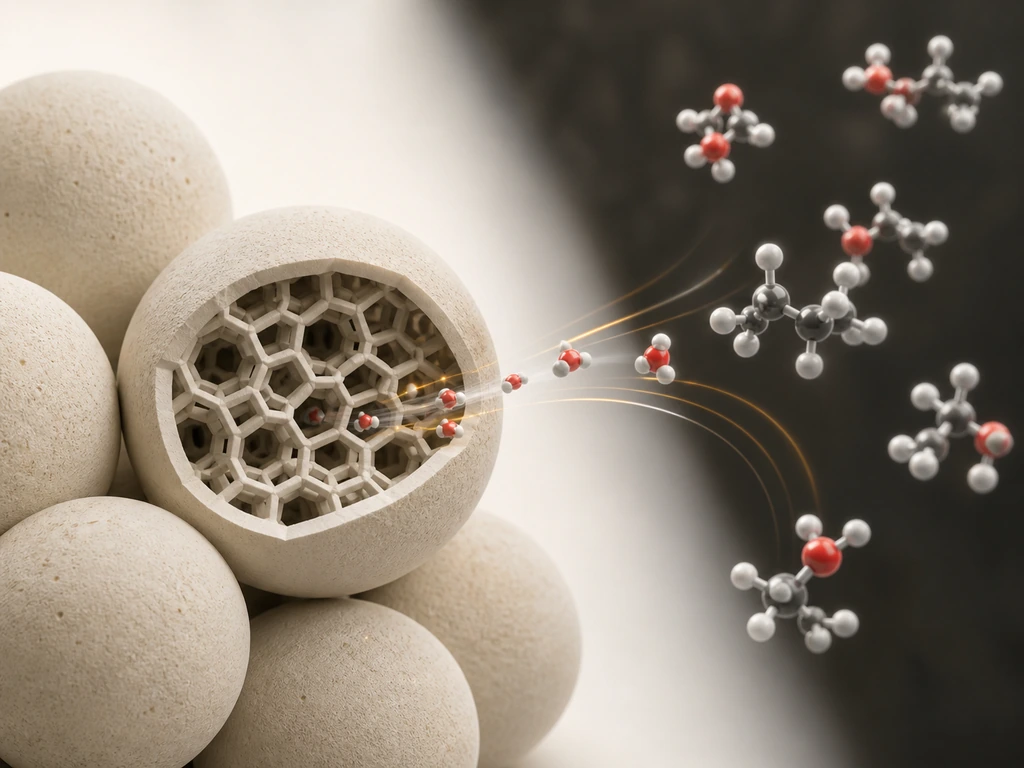
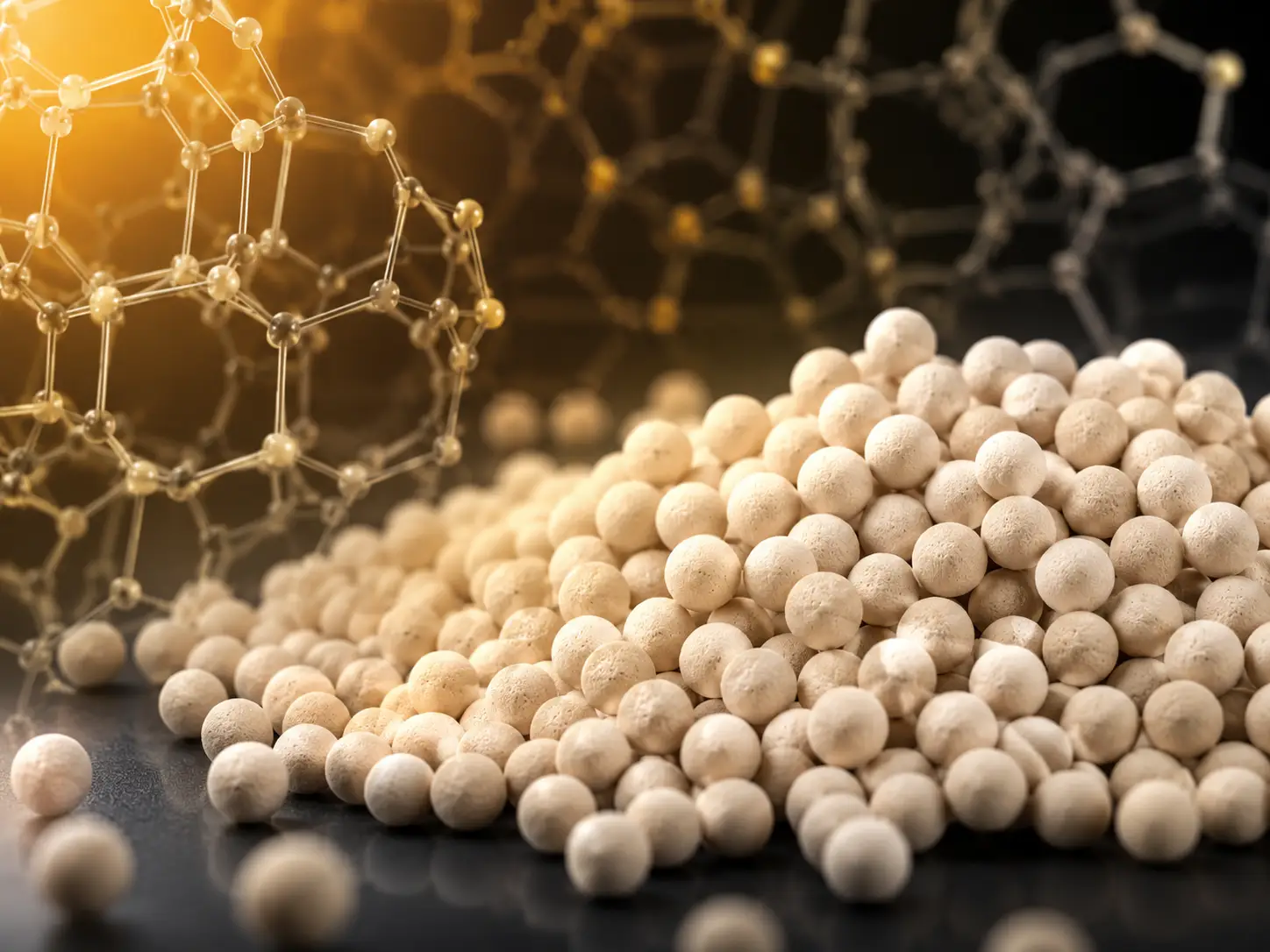
A lithium molecular sieve is a synthetic zeolite of the X-type crystal structure (faujasite framework) in which the native sodium cations (Na⁺) have been replaced, through ion exchange, by lithium cations (Li⁺). The difference in ionic radius is small in absolute terms: Li⁺ measures approximately 0.076 nm compared to Na⁺ at 0.102 nm. But that 25% reduction in cation size produces a disproportionate increase in the electrostatic field gradient inside the zeolite cage.
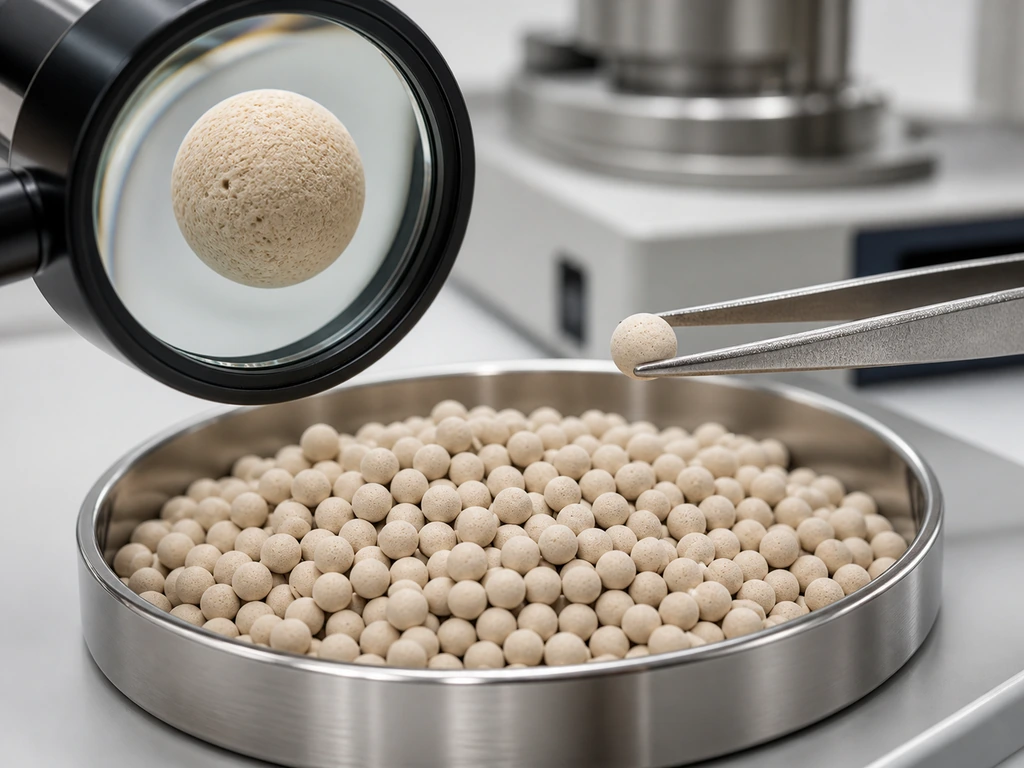
This stronger field gradient is what gives lithium-exchanged zeolites their defining advantage: significantly higher affinity for nitrogen molecules. Because N₂ has a larger quadrupole moment than O₂, it interacts more strongly with the charged framework. More Li⁺ cations in the exchange sites means more nitrogen captured per unit mass of adsorbent. In a PSA or VPSA oxygen generator, that translates directly to higher oxygen output from the same bed volume.
The material most commonly referenced in industry is LiLSX (Lithium Low-Silica X), characterized by a Si/Al ratio of 1.0–1.2 and a lithium exchange degree exceeding 95%. Anything below that threshold and you are leaving performance on the table: partially exchanged material will behave closer to a hybrid Na/Li zeolite, with correspondingly lower N₂ capacity.
In plain terms: Standard sodium zeolite binds N₂ through electrostatic attraction. Lithium zeolite strengthens the same mechanism: the smaller Li⁺ ion creates a stronger electric-field gradient and interacts more strongly with the quadrupole moment of N₂. This is why lithium grades can deliver substantially higher N₂ adsorption capacity than sodium equivalents under comparable conditions.
How Lithium Molecular Sieves Enable High-Efficiency Oxygen Generation
Judging a lithium molecular sieve comes down to two families of parameters: how well it separates nitrogen from oxygen, and how long it keeps doing so under real operating conditions. The two subsections below address each in turn.
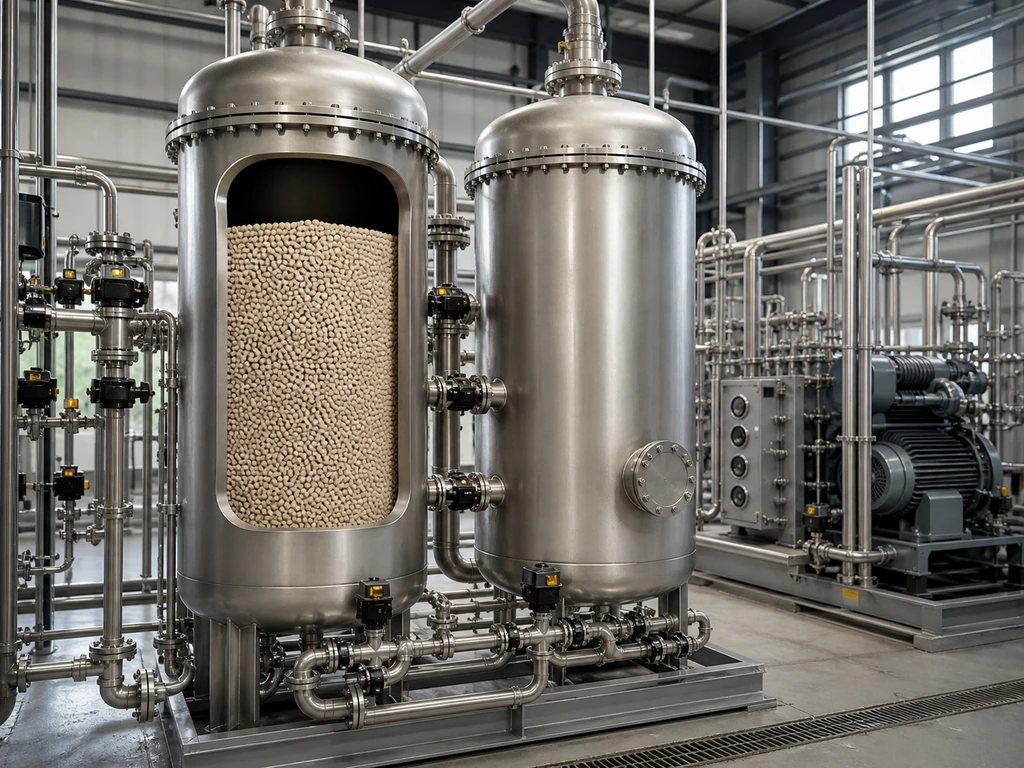
N₂/O₂ Separation Performance — Selectivity, Capacity, and What the Numbers Mean
Three core metrics define separation performance:
Static N₂ adsorption capacity is the starting point. Measured under standard conditions (25°C, 760 mmHg), a quality lithium molecular sieve should deliver at least 22 ml/g N₂ uptake, with quality grades commonly falling in the 22–25 ml/g range. This number determines how much air a given bed volume can process per cycle. If the capacity is low, you either accept lower oxygen output or compensate with larger and more expensive adsorber vessels.
N₂/O₂ separation factor is where lithium’s advantage becomes stark. LiLSX materials consistently achieve a separation factor ≥6.0, compared to approximately 3–4 for standard NaX. This ratio directly governs the purity ceiling of your product oxygen. A separation factor of 6 means the adsorbent discriminates between N₂ and O₂ strongly enough to produce oxygen in the 90–96% purity range, which covers both medical (USP ≥90%) and most industrial applications.
Dynamic adsorption rate is the third, often overlooked metric. Static capacity tells you what the material can hold at equilibrium. Dynamic rate tells you how fast it gets there in a real cycle. Faster kinetics allow shorter cycle times. Shorter cycle times mean a more compact system for the same throughput — or higher throughput from the same footprint.
Hutson, Zajic, and Yang described fully exchanged Li-LSX (Si/Al = 1.0) as a leading adsorbent for adsorption-based air separation in Industrial & Engineering Chemistry Research, 39(6), 1775–1780 (2000), DOI: 10.1021/ie990763z. Their work also showed how strongly residual water can reduce N₂ capacity, reinforcing the need for thorough activation and moisture control.
Physical Durability — Why Crush Strength and Attrition Resistance Determine Real-World Lifespan
Separation performance on the datasheet means nothing if the adsorbent particles disintegrate after a year of pressure cycling.
Crush strength is measured in Newtons per particle and must be evaluated at the specific particle size your system uses. For fine-grain material (0.4–0.8 mm) used in compact medical devices, ≥8 N/pc is the minimum acceptable threshold. For the larger particles (1.4–2.4 mm) loaded in industrial VPSA beds, the requirement rises to ≥15 N/pc. The reason: bottom-layer particles in a tall adsorber vessel bear the weight of the entire column above them.
Attrition resistance, reported as wear ratio (≤0.5 wt% is a common benchmark for quality grades), is equally critical. Every time particles rub against each other during pressure cycling, microscopic fragments break off. That dust migrates downstream, clogs filters, and increases pressure drop. In medical applications, it also creates a contamination risk that no amount of upstream filtration can fully eliminate.
Bulk density (0.60–0.67 g/ml for lithium grades) rounds out the mechanical picture. What matters here is not the absolute value but its consistency from batch to batch. A deviation of more than 0.02 g/ml between shipments means your carefully calculated bed mass no longer matches the fill volume. The result: either under-filled capacity loss or over-filled flow restriction.
These three parameters help determine whether a sieve bed delivers 20,000 hours or more than 50,000 hours of useful service before replacement becomes necessary. Actual life depends heavily on inlet-air cleanliness, moisture and oil control, pressure cycling, regeneration conditions, and bed design; well-operated LiX beds can remain in service for roughly 3–7 years.
Lithium vs. Sodium Molecular Sieve — Making the Right Choice
The question is not “which is better?” Lithium is objectively superior on every performance dimension. The real question is: “Is the premium worth it for my application?”
| Comparison Dimension | Lithium (LiLSX) | Sodium (NaX / 13X) | Selection Guidance |
|---|---|---|---|
| N₂ Adsorption Capacity (ml/g) | ≥22 (typically 22–25) | ~8–12 | Li: higher capacity enables smaller beds or greater output |
| N₂/O₂ Separation Factor | ≥6.0 | ~3–4 | Li: significantly higher O₂ purity ceiling |
| Achievable O₂ Purity | 90–96% | 90–93% | Comparable at the low end; Li pulls ahead above 93% |
| Best Application Fit | VPSA (medium/large), high-end medical PSA | Standard PSA, budget-sensitive projects | Match the grade to the duty cycle and purity target |
| Energy Consumption | As low as 0.47 kWh/Nm³ O₂ (VPSA) | Typically 0.6–0.8+ kWh/Nm³ | Li: energy savings compound over equipment lifetime |
| Relative Purchase Cost (per kg) | Typically several times NaX | Baseline | Compare total operating cost rather than price per kilogram alone |
| Equipment Footprint (same output) | Baseline | 30–50% larger | Li enables more compact system design |
| Typical Service Life | 20,000–50,000+ hours (about 3–7 years) | Application-dependent | Feed quality, cycling, regeneration, and bed design strongly affect life |
The decision heuristic: If your system runs more than 12 hours per day, or if electricity is a meaningful component of your customer’s operating cost, the additional upfront investment in lithium molecular sieve typically pays back through energy savings within 12–18 months. After that, every kilowatt-hour saved is margin.
For budget-sensitive applications with low daily utilization — think intermittent-use portable concentrators in price-competitive markets — sodium-type sieves remain a viable and proven choice. The key is matching the material to the business model, not blindly chasing the specification sheet.
Total-cost-of-ownership view: In continuously operated systems, LiLSX’s higher nitrogen capacity can reduce adsorbent volume, equipment footprint, and compression energy. Depending on electricity price, utilization, cycle design, and the actual purchase premium, these operating savings may recover the additional adsorbent cost within approximately 12–18 months.
Choosing the Right Lithium Molecular Sieve Grade for Your Application
Once the decision to use lithium-type material is made, the next question is: which lithium grade? The answer depends entirely on the application’s operating parameters — particle size requirements, purity targets, and duty cycle.
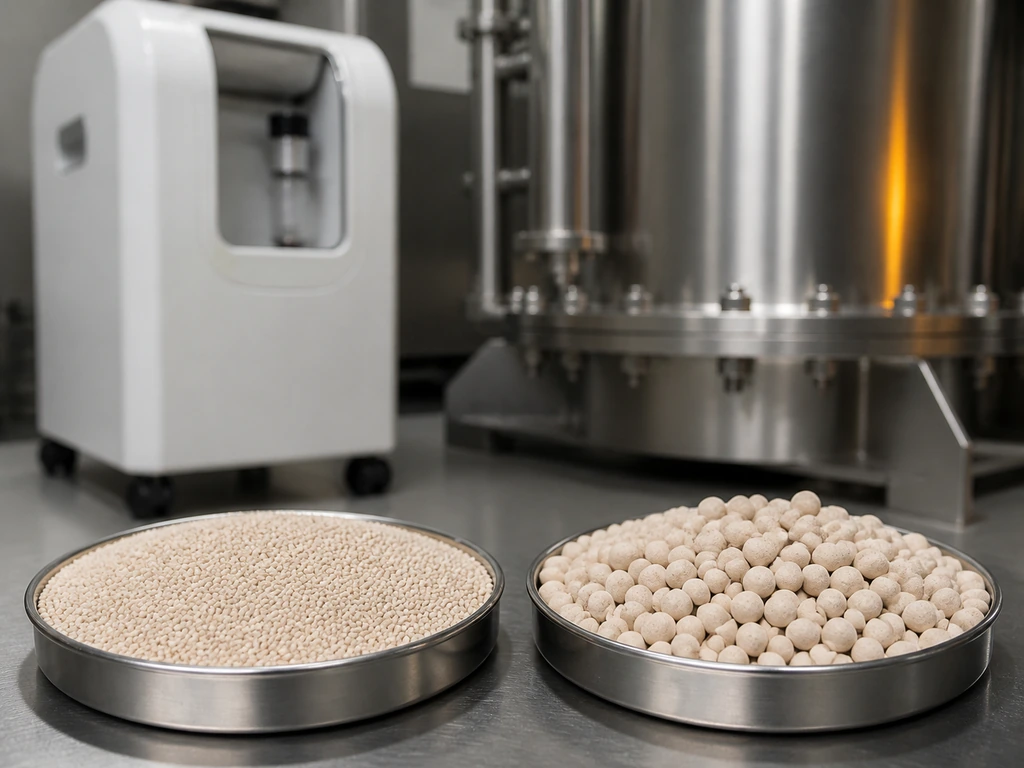
Medical and Portable Oxygen Concentrators — Fine Particle Size, Consistent Purity, Tight Regulation
Portable and home medical oxygen concentrators present a unique set of constraints that drive sieve selection toward fine-particle lithium grades:
Particle size matters acutely. Devices delivering 1–10 LPM of oxygen rely on rapid cycling to maintain flow with compact adsorber beds. Smaller particles (0.4–0.8 mm / 20×40 mesh) provide the high surface-area-to-volume ratio needed for fast kinetics in a confined space. The trade-off is higher pressure drop. This is a design parameter that must be modeled carefully, not guessed.
Purity stability is non-negotiable. Medical oxygen standards (USP, EP) require ≥90% purity, but the operational requirement is stricter: the output must stay above that threshold across the full range of ambient temperatures, humidity levels, and patient breathing patterns the device will encounter in the field. A sieve that produces 95% purity at 25°C and 40% RH but drops to 88% at 35°C and 70% RH is not fit for purpose.
Low dust generation carries higher stakes in medical applications. Fine particles inherently produce more fines during handling and cycling, which means the wear ratio specification deserves extra scrutiny. Some manufacturers apply post-screening and dedusting steps specifically for medical-grade material. Ask whether your supplier does the same.
Industrial VPSA Oxygen Plants — Maximizing Throughput and Minimizing Energy Cost
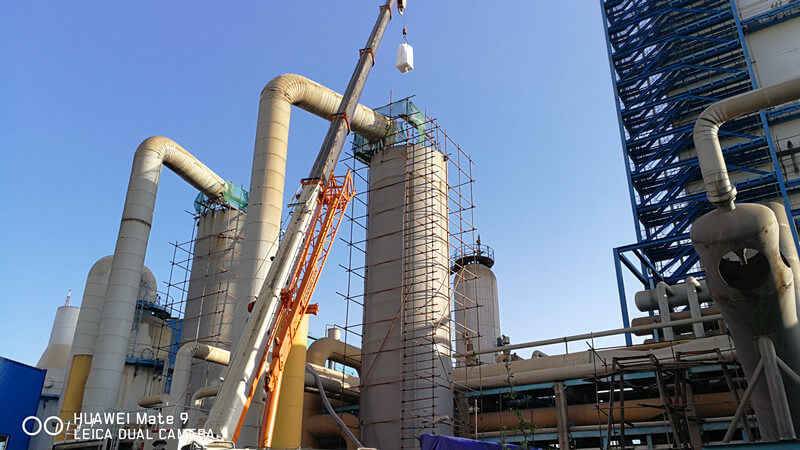
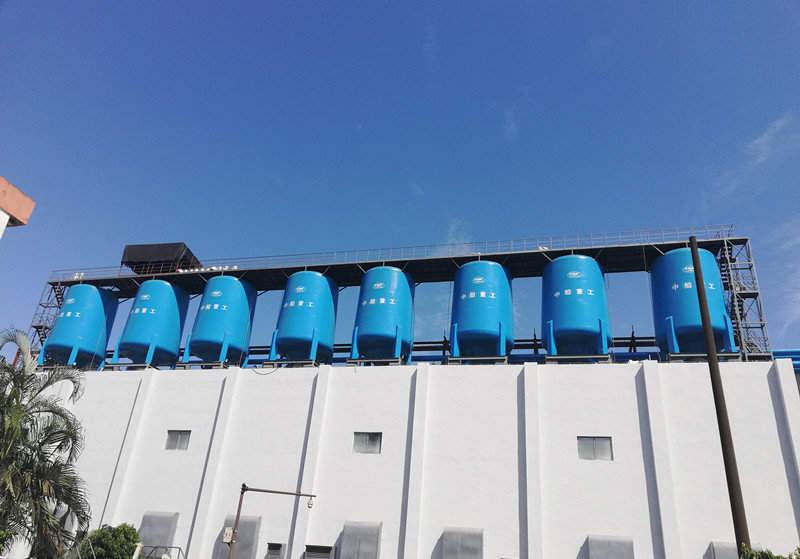
At the industrial scale, the selection criteria shift fundamentally. A single adsorber vessel may hold 68 tons of molecular sieve and the plant runs 24/7/365.
Larger particle sizes (1.4–2.4 mm / 8×14 mesh) dominate because pressure drop across a tall bed is a first-order operating cost driver. Every Pascal of pressure drop is energy lost. The slightly slower kinetics of larger particles are more than compensated for by longer cycle times in VPSA configurations. These systems are not racing against the clock the way a portable medical device is.
Energy consumption becomes the headline number. VPSA plants using lithium molecular sieves can achieve power consumption as low as 0.47 kWh per Nm³ of oxygen produced, according to performance data from operating installations. Over a plant producing 30,000 Nm³/h, the difference between 0.47 and 0.65 kWh/Nm³ represents millions of kilowatt-hours per year. At industrial electricity rates, that difference can exceed the entire annual molecular sieve procurement budget.
Batch-to-batch consistency is the procurement criterion that separates serious industrial suppliers from the rest. When you are loading 272 tons of material across four parallel VPSA units — as one major steel plant’s oxygen project did — you need every kilogram to perform identically. A supplier who cannot demonstrate tight bulk density and adsorption capacity variance across production batches is a risk you cannot afford to amortize across a decade-long equipment lifecycle.
What to Look for in a Lithium Molecular Sieve Supplier
You now understand the material. You know which grade fits your application. The remaining question — and it is often the hardest to answer — is supplier qualification. The following checklist provides a framework for evaluating potential partners.
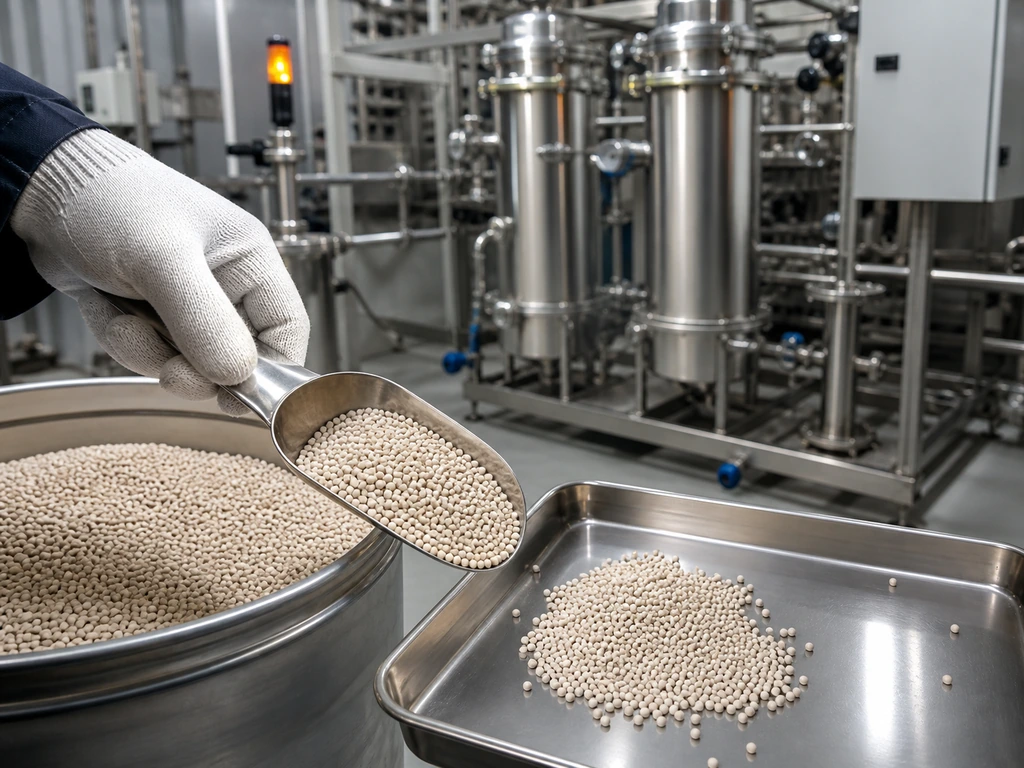
The six criteria above — pilot capability, batch-level documentation, relevant references, quality certifications, technical support, and supply resilience — form a practical minimum due-diligence framework. Weight each criterion according to the application’s regulatory requirements, operating risk, and replacement cost.
Taking the Next Step
The lithium molecular sieve market is competitive, and datasheet claims do not always predict performance in a specific cycle. Request a representative, traceable sample with batch documentation, then evaluate it against your feed conditions, cycle parameters, purity target, and analytical method. For high-risk applications, supplement equilibrium data with breakthrough testing, pilot trials, or validated process simulation. If you are evaluating material for medical PSA or industrial VPSA oxygen generation, JALON’s JLOX-100 lithium molecular sieve series is available with sample support, per-batch COA documentation, pilot-scale performance validation, and application-engineering guidance before production-grade approval.


 EN
EN  DE
DE  ES
ES  JA
JA  RU
RU  PT
PT  FR
FR