What is sustainable aviation fuel? Sustainable aviation fuel, or SAF, is a non-fossil aviation fuel made from eligible renewable or waste-derived resources and produced to meet the safety and performance requirements for turbine fuel. Depending on the route, producers convert fats and oils, solid biomass, alcohols, or renewable hydrogen and captured CO₂ into jet-range hydrocarbons.
The best route is therefore site-specific. Feedstock availability, lifecycle carbon intensity, hydrogen and electricity supply, plant scale, capital tolerance, certification status, and local policy all affect the decision. A useful comparison must examine these factors together rather than treating every fuel sold as “SAF” as if it came from the same process.
What Is Sustainable Aviation Fuel?
Sustainable aviation fuel is a category defined by both technical fuel quality and sustainability criteria; an alternative jet-fuel molecule does not qualify as SAF solely because it can power an aircraft. Chemically, approved SAF blend components are primarily hydrocarbons in the same boiling range as conventional Jet A or Jet A-1. Once an approved component is blended within its permitted limit and the finished fuel meets the applicable specification, it can use existing aircraft and airport fuel infrastructure without aircraft modification (IATA, 2026).

What is sustainable aviation fuel made of? The finished fuel contains jet-range paraffins, isoparaffins, and—depending on the pathway and finished blend—cycloparaffins or aromatics. It is not made of raw cooking oil, biomass, alcohol, or captured CO₂ directly. Those materials supply carbon and hydrogen that processing converts into specification-compliant hydrocarbon molecules.
Why does aviation need it at all? Flight is unusually hard to electrify. Aviation accounts for roughly 2% of global CO₂ and about 12% of transport CO₂ (Alternative Fuels Data Center, 2026). Batteries remain impractical for most medium- and long-haul routes. SAF is therefore one of the most important near-term decarbonization options for the existing fleet, alongside more efficient aircraft, operational improvements, and emerging propulsion technologies.
Current waste-oil HEFA supply commonly reports lifecycle emissions reductions around 80% relative to conventional aviation fuel, but that figure is not guaranteed for every product. Feedstock origin, land-use effects, electricity, hydrogen, transport, conversion efficiency, co-product treatment, and the selected lifecycle methodology can materially change the result (IATA, 2026).
How big is SAF today? Smaller than most coverage implies. Production doubled to about 1 million tonnes in 2024, or 0.3% of global jet fuel. It reached roughly 1.9 million tonnes in 2025 (0.6%), and is projected near 2.4 million tonnes for 2026, about 0.8% of consumption (IATA, 2026). More than 360,000 commercial flights have already flown with SAF mixed in (AFDC, 2026). The fuel is proven at scale in daily operations while remaining a rounding error in volume. Understanding how it is made explains both facts at once.
SAF in three numbers
~2%
of global CO₂ comes from aviation (12% of transport CO₂)
up to ~80%
lifecycle emission cut, feedstock-dependent
~0.8%
of global jet fuel, projected for 2026
What Is Sustainable Aviation Fuel Made From?
SAF feedstocks fall into four broad groups. Lipids include used cooking oil, animal fats, and eligible plant oils. Biogenic solids include forestry residues, agricultural residues, energy crops, and selected municipal waste fractions. Alcohol routes can use ethanol, isobutanol, or other alcohols covered by the relevant fuel specification. E-fuel routes use water, renewable electricity, and captured CO₂. The origin alone does not guarantee a low-carbon fuel: collection, farming, land-use change, electricity, hydrogen, transport, conversion efficiency, and co-product accounting all affect lifecycle emissions.
Sustainable Aviation Fuel Production Methods at a Glance
These are four major sustainable aviation fuel production technology families, not the complete list of approved ASTM routes. ICAO currently lists 11 approved conversion processes, including route variants such as SIP, CHJ, FT fuels containing synthesized aromatics, and several co-processing options. The four families below are the clearest way to compare the technologies attracting most commercial development.
| Technology family | Typical feedstock | Main production sequence | Current position |
|---|---|---|---|
| HEFA | Used cooking oil, animal fats, plant and waste oils | Pretreatment → hydrodeoxygenation → hydrocracking/isomerization → fractionation | Most mature and dominant today; constrained by eligible lipid supply |
| Gasification + FT | Agricultural and forestry residues, municipal solid waste, other carbonaceous feedstocks | Feed preparation → gasification → syngas cleanup → FT synthesis → upgrading and fractionation | Certified, but commercial deployment remains limited and capital intensive |
| ATJ | Ethanol, isobutanol, and other eligible C₂–C₅ alcohols | Alcohol purification → dehydration to alkenes → oligomerization → hydrogenation → fractionation | Certified routes are moving from demonstration toward early commercial scale |
| PtL / e-SAF | Renewable electricity, water, and captured CO₂ | Electrolysis → CO₂ conditioning → syngas or methanol production → FT or another upgrading route | Low production today; economics depend heavily on clean electricity and electrolyzer utilization |
Co-processing is another practical option for existing refineries. ICAO lists approved D1655 co-processing routes with pathway-specific limits, including 5% for fats, oils and greases or FT hydrocarbons and 10% for hydroprocessed HEFA intermediates. These limits apply to the defined feed or product route and should not be summarized as a single generic co-processing percentage (ICAO, 2026).
PtL requires one further distinction: it describes the renewable electricity, hydrogen, and carbon supply concept, not a standalone ASTM annex. The finished fuel must still follow an approved or newly qualified conversion route. A PtL project using Fischer–Tropsch synthesis may qualify through the applicable FT annex, while other concepts such as methanol-to-jet require their own qualification status.
How Is Sustainable Aviation Fuel Produced?
HEFA: Converting Fats and Oils
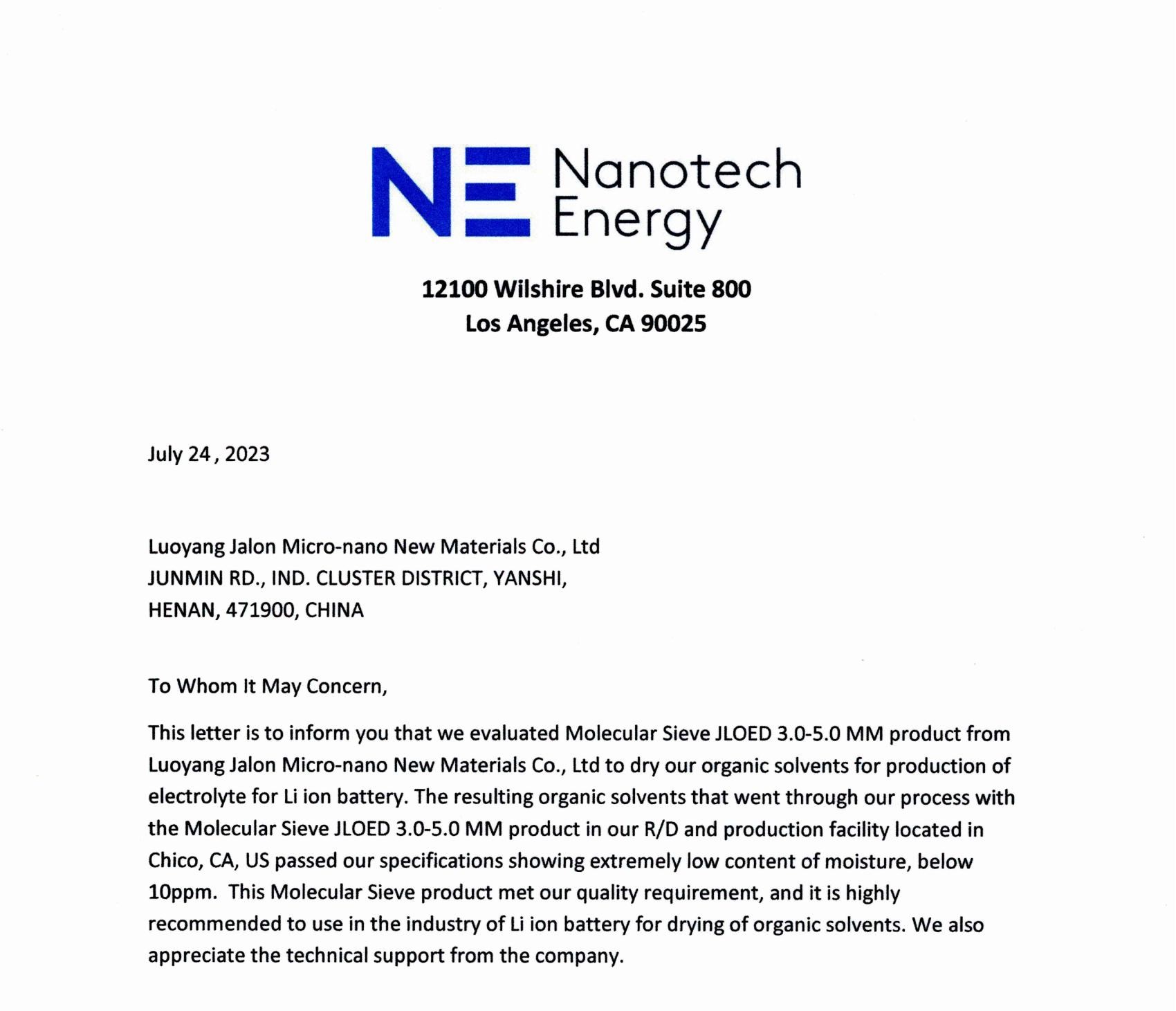
HEFA plants remove water, salts, phosphorus, metals, and other catalyst poisons from lipid feedstocks before reacting the oils with hydrogen. Hydrodeoxygenation converts the oxygen in triglycerides and fatty acids into water, carbon monoxide, or carbon dioxide. The resulting long, straight paraffins are then hydrocracked and isomerized to meet jet-fuel boiling-range and cold-flow requirements, followed by fractionation into jet, diesel, naphtha, and light-gas products. Readers who need the detailed reactor and purification sequence can use JALON’s HEFA process guide; this comparison keeps HEFA at the same level of detail as the other route families.

Gasification and Fischer–Tropsch: Rebuilding Carbon from Syngas
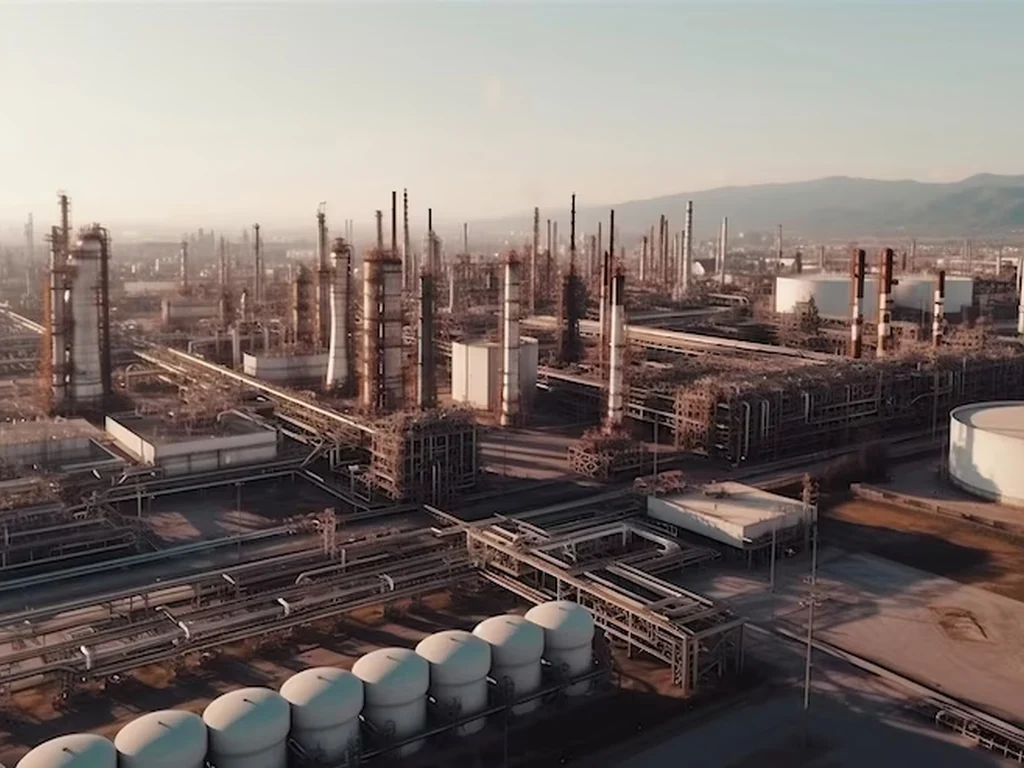
Solid biomass or waste is sorted, dried, and sized before gasification converts it into a mixture dominated by carbon monoxide and hydrogen. Particulates, tars, sulfur, nitrogen compounds, carbon dioxide, and trace contaminants must be removed or adjusted before the synthesis gas reaches the Fischer–Tropsch catalyst. FT synthesis builds longer hydrocarbon chains, after which hydrocracking, isomerization, and fractionation produce the jet-range blend component. This route can access abundant solid residues, but feed logistics, gas cleanup, oxygen production, and high capital cost are major project risks.
Alcohol-to-Jet: Building Longer Chains from Alcohols
ATJ begins with an alcohol whose own lifecycle carbon intensity strongly influences the final fuel. After purification, the alcohol is dehydrated to its corresponding alkene—ethanol to ethylene and isobutanol to isobutene. Oligomerization builds longer carbon chains, hydrogenation saturates them, and fractionation isolates the jet-range product. ATJ can use established ethanol infrastructure, but project economics depend on alcohol price, alcohol carbon intensity, hydrogen supply, and the yields achieved across dehydration and upgrading.
Power-to-Liquid: Combining Renewable Hydrogen and Captured Carbon
PtL production uses renewable electricity to split water into hydrogen and oxygen. Captured CO₂ is conditioned and combined with hydrogen, commonly through reverse water-gas shift to make syngas or through methanol synthesis. The intermediate is then converted and upgraded through FT, methanol-derived, or another qualified route. PtL reduces dependence on biological feedstocks, but overall efficiency, electricity price, electrolyzer utilization, CO₂ source, and the carbon intensity of the power supply determine whether the fuel delivers the intended climate benefit.
Feedstock Economics: The Constraint That Decides Everything
Ask five people why SAF costs more than jet fuel and you will get answers about young technology and small scale. Both are true, and both miss the structural point. For the pathway that supplies nearly all of today’s SAF, the binding constraint is not the reactor. It is the raw material.
Where the Money Actually Goes
Feedstock is a major cost driver for HEFA, while clean electricity dominates many PtL models and capital recovery weighs heavily on gasification-FT projects. The cost structure therefore changes with the route. A rise in used-cooking-oil prices passes quickly into HEFA production cost, but building a second identical plant does not make eligible waste oil more abundant. Scale can improve plant utilization and financing; it cannot remove the underlying resource constraint.
The 2030 Question: When Eligible Waste Oils Tighten
Used cooking oil and animal fats are finite, regionally uneven waste streams that also serve renewable diesel and other industries. As HEFA capacity expands, projects may face stronger competition for traceable material that meets the applicable sustainability rules. This does not mean waste oils disappear after 2030; it means new HEFA projects must test their economics against tighter supply, changing eligibility rules, and higher collection costs.
The long-run picture is genuinely large. IATA’s global feedstock assessment estimates that around 400 million tonnes of annual SAF production could be possible by 2050, while its net-zero roadmap points to a need of roughly 500 million tonnes. These are scenarios and assessed potential, not guaranteed output. Reaching either scale requires substantial supply from routes beyond the waste oils that power most plants today (IATA, 2025).
Scale Comparison
2.4 Mt
projected 2026 output
400 Mt
2050 assessed production potential
Different measures: projected annual output versus assessed future potential. Source: IATA, 2025–2026.
What Prices Are Telling Us Right Now
BloombergNEF’s 2026 survey put Northwest European SAF at about $2,746 per tonne (BloombergNEF, 2026). The number should not be converted into a universal premium without a conventional jet-fuel benchmark from the same date, market, delivery basis, and contract type. Spot and contract prices also differ, as do neat SAF and the price of a finished blend. Any comparison should name the year, region, pathway, blend basis, delivery basis, and policy value included.
What This Means for Buyers on Both Sides
For an airline or corporate buyer, feedstock economics affect contract price, certificate eligibility, and the credibility of lifecycle claims. For a project developer, route selection determines which resource market and infrastructure risks must be controlled. HEFA offers the strongest operating track record but faces lipid constraints; FT can use solid residues but requires costly feed preparation and gas cleanup; ATJ depends on low-carbon alcohol supply; PtL depends on abundant clean electricity, hydrogen, and captured carbon. No route is universally best.
Blend Limits and Certification
Most widely deployed synthetic blending components, including HEFA-SPK, FT-SPK, and ATJ-SPK, are currently permitted at up to 50% under their ASTM D7566 annexes. SIP and HC-HEFA-SPK are limited to 10%, while co-processing limits depend on the specific D1655 route. PtL does not have one automatic blend cap because the applicable limit follows the conversion pathway used to make and qualify the finished component (ICAO, 2026).
The Chemistry Behind the Cap
Many synthetic paraffinic blend components contain little or no aromatic material. Aromatics contribute to fuel density and the swelling behavior of some elastomer seals, so insufficient aromatic or cycloparaffinic content can create material-compatibility concerns (Faulhaber et al., 2023). Seal swell is important, but it is not the only reason for current blend limits. Density, distillation behavior, material compatibility, combustor operability, emissions, and the scope of the completed ASTM D4054 qualification program also matter. FAA research therefore describes seal behavior as one of several barriers being evaluated for blends above 50% (FAA, 2024).
One Pathway, One Annex, One Cap
Each approved conversion route is governed by a defined annex and its associated feedstock, composition, testing, and blend requirements. After the synthetic component is blended and the finished fuel meets the required D7566 and D1655 properties, it can be reidentified and handled as conventional specification-compliant jet fuel. The molecules need not be identical to those in petroleum-derived fuel; the finished blend must satisfy the same performance and safety specification.
Before you buy: the compliance sequence
Name the market, the mandated blend share, and the certificate scheme you must meet.
Work backward from that mandate to the pathways and volumes that can serve it.
How Far 100% SAF Has Actually Gotten
The cap reflects today’s approved specifications, not an absolute physical limit. In November 2023, a Virgin Atlantic Boeing 787 completed a transatlantic demonstration flight using 100% SAF under a dedicated approval. The UK Department for Transport reported that the fuel used for the flight delivered an estimated lifecycle greenhouse-gas reduction of around 70% relative to conventional jet fuel (UK Department for Transport, 2023). The demonstration did not establish routine fleet-wide approval for unblended SAF; broader use still requires fuel qualification, material-compatibility evidence, and specification changes.

How to Choose a Sustainable Aviation Fuel Technology
Technology selection should begin with a verified resource and carbon-intensity model, not with a preferred reactor. The table below summarizes the main decision factors. Certification must then be checked against the exact feedstock, intermediate, conversion route, and target market rather than inferred from the broad technology-family name.
| Route family | Best fit | Main utilities | Principal project risk | Certification point |
|---|---|---|---|---|
| HEFA | Sites with secure, traceable fats and oils plus refinery-style hydrogen and upgrading capability | Hydrogen, heat, separation | Eligible lipid price, quality, and supply concentration | HEFA-SPK is approved up to 50%; feedstock sustainability remains a separate test |
| Gasification + FT | Locations controlling large, consistent residue or waste streams and complex solids logistics | Oxygen, steam, hydrogen, power | Gasifier integration, syngas cleanup, capital cost, and plant availability | The applicable FT blending component and annex must be identified |
| ATJ | Regions with competitively priced low-carbon alcohol and established alcohol logistics | Heat, hydrogen, separation | Alcohol carbon intensity, conversion yield, and alcohol-market exposure | Only alcohols and process configurations covered by the relevant annex qualify |
| PtL | Markets with abundant low-carbon electricity, high electrolyzer utilization, and a credible CO₂ source | Very large electricity supply, water, hydrogen, CO₂ handling | Power price, conversion efficiency, CO₂ accounting, and technology maturity | The downstream FT, methanol-derived, or other conversion route determines approval |
Purification and Catalyst Risks Across the Routes
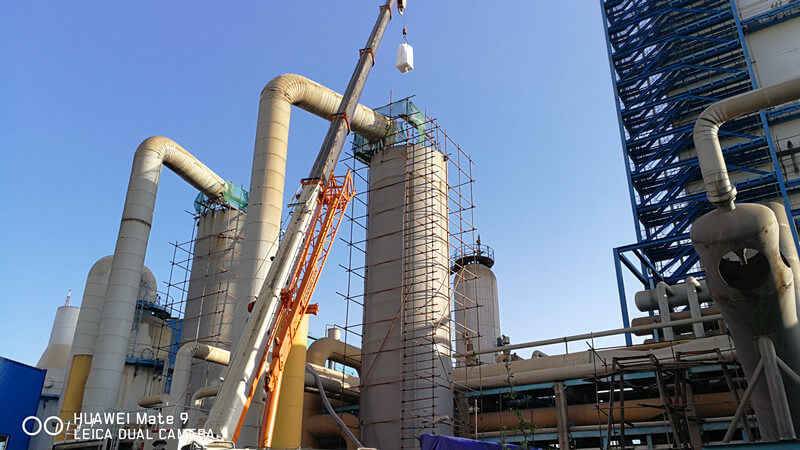
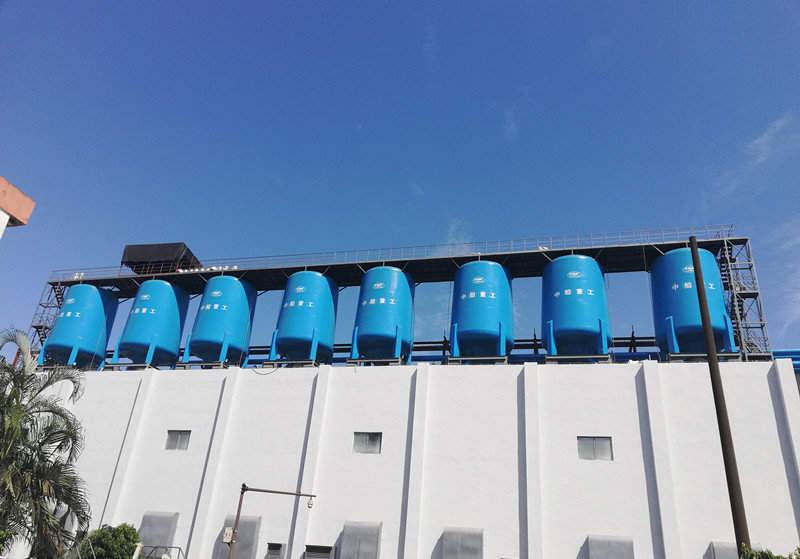
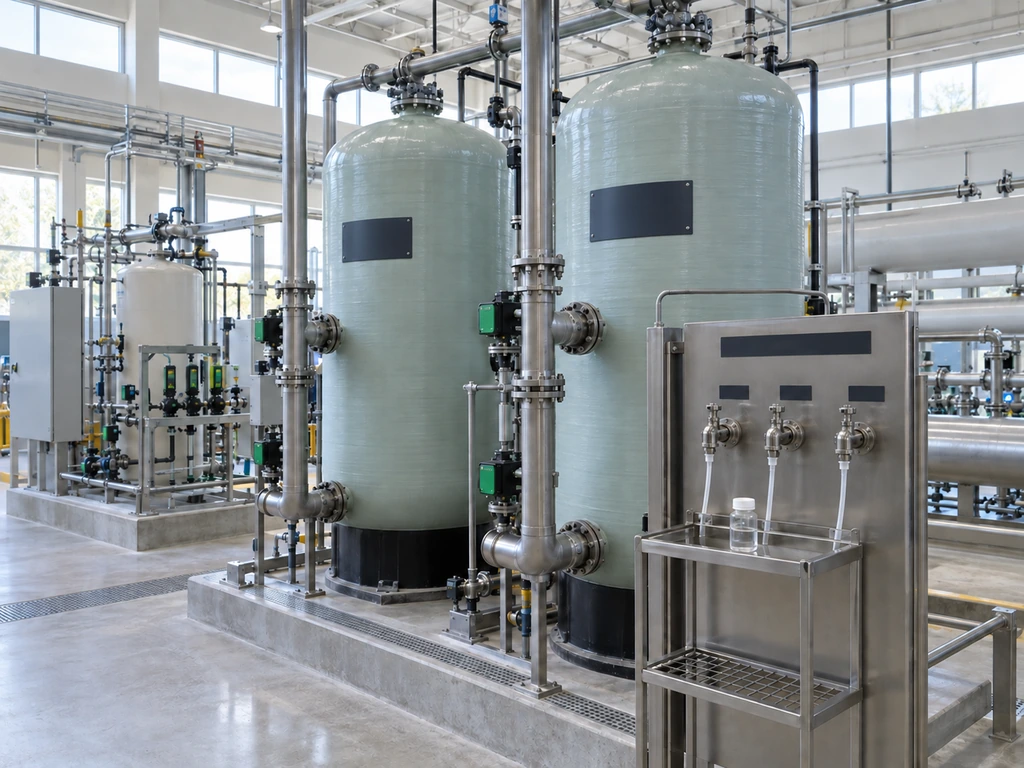
Every route protects a catalyst or fuel specification from a different contaminant set. HEFA pretreatment targets water, phosphorus, metals, salts, and polar compounds in oils. Gasification-FT plants must remove particulates, tars, sulfur, nitrogen species, excess CO₂, and trace catalyst poisons from syngas. ATJ plants depend on alcohol purity and controlled water removal around dehydration and upgrading. PtL facilities require high-purity hydrogen, conditioned CO₂, and clean synthesis intermediates.
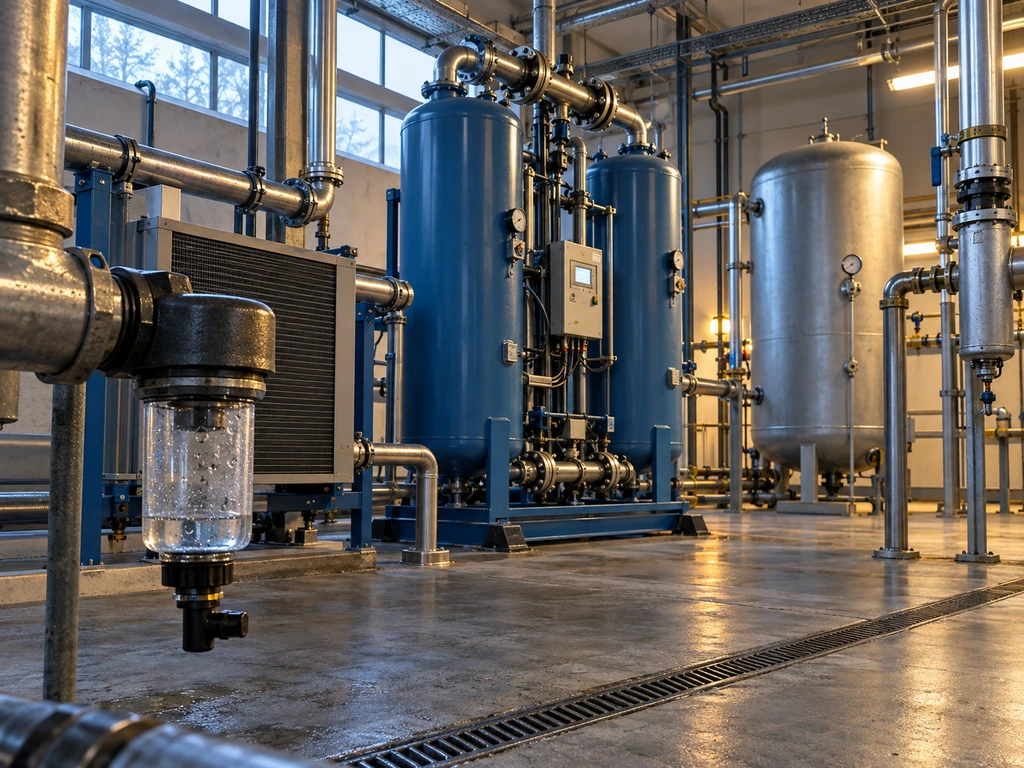
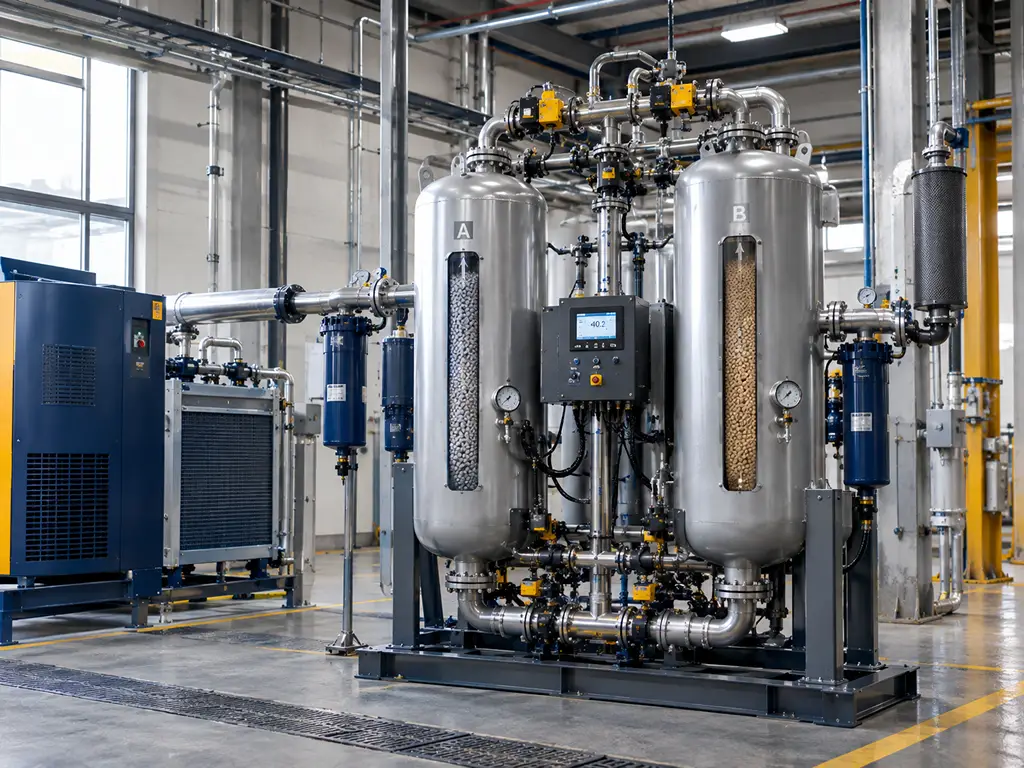
Adsorbents, guard beds, drying systems, and zeolite-containing catalysts may all contribute, but the material and bed design must follow the licensed process and measured stream composition. A 3A, 4A, or 13X molecular sieve should not be prescribed from the route name alone. Pressure, temperature, water loading, hydrocarbons, sulfur and nitrogen contaminants, regeneration method, and required outlet specification determine whether a candidate grade is appropriate.
How SAF Plans Fail: Four Patterns Worth Stress-Testing
Nothing in this article so far suggests SAF is technically fragile. The documented failures are economic and political. That makes them predictable, and therefore testable, before you commit a budget or believe a claim.
Pattern 1: price-model mismatch. A model that assumes one universal SAF premium can fail as soon as the route, region, contract date, certificate value, or feedstock changes. Check whether every price uses the same year, market, pathway, blend basis, delivery basis, and contract type.
Pattern 2: policy dependency. Tax credits, mandates, eligible-feedstock rules, and lifecycle methodologies change. In the United States, Section 45Z rules and emissions-rate guidance continued to evolve through 2026, including changes affecting eligible feedstock origin and emissions calculations (Internal Revenue Service, 2026). Check whether the project survives a change in one subsidy, mandate, or carbon-intensity assumption.
Pattern 3: feedstock squeeze. Waste lipids, low-carbon alcohol, clean electricity, renewable hydrogen, and suitable CO₂ each have competing users. Check how long the supply is contracted, what quality range is guaranteed, and what happens to yield and operating cost when the feed changes.
Pattern 4: announcement inflation. IATA distinguishes announced nameplate capacity from actual SAF output because projects may not reach final investment decision, plants can operate below design utilization, and renewable refineries can shift their product slate toward diesel or naphtha (IATA, 2026). Check whether a claim refers to announced capacity, commissioned capacity, or delivered tonnes.
SAF claim stress-test
Price basis named: year, market, pathway, blend, and contract type
Policy dependency identified and stress-tested
Feedstock source, quality range, and lock-in period disclosed
Announced capacity separated from commissioned capacity and actual production
These risks do not mean SAF is technically unproven. Several pathways are certified and operating, while others remain at demonstration or early commercial scale. The remaining work includes cost reduction, feedstock flexibility, plant integration, additional pathway qualification, and broader approval of fuels above today’s blend limits.
What This Means if You’re Building or Buying for a SAF Plant
Start by fixing the feedstock specification, target market, lifecycle methodology, and approved conversion route. Then define the contaminant envelope, utility availability, product slate, turndown requirement, and regeneration strategy. These inputs determine whether a project needs lipid pretreatment, syngas cleanup, alcohol drying, hydrogen purification, CO₂ conditioning, or a combination of these functions.
Adsorbents and zeolite-containing catalyst materials should be selected against measured process conditions rather than a generic route name. An RFQ should identify stream composition, pressure, temperature, water and contaminant loading, required outlet specification, expected cycle length, regeneration method, particle-size limits, crush strength, and acceptable attrition. Laboratory equilibrium data alone should not be treated as a guarantee of full-scale working capacity or catalyst life.
JALON can support the initial screening of molecular sieves and zeolite materials for relevant drying, purification, and catalyst-development duties. Share the actual stream conditions and target specification so the technical team can identify candidate materials, provide available characterization and batch documentation, and define a sample-validation plan. Final approval should remain aligned with the process licensor, EPC design, and application-specific testing.
Review the Purification Requirements for Your SAF Route
Send the feed or gas composition, operating pressure and temperature, contaminants, outlet target, and regeneration conditions. JALON can help shortlist candidate adsorbent or zeolite materials for further qualification.
Discuss Your Process ConditionsReferences
- U.S. Department of Energy, Alternative Fuels Data Center. Sustainable Aviation Fuel. 2026.
- International Air Transport Association. Sustainable Aviation Fuel. 2026.
- International Air Transport Association. Global Feedstock Assessment for SAF Production: Outlook to 2050. 2025.
- International Civil Aviation Organization. SAF Conversion Processes. Accessed 2026.
- U.S. Department of Energy. Pathways to Commercial Liftoff: Sustainable Aviation Fuel. 2024.
- Federal Aviation Administration. Aviation Environmental and Energy Technology Review. 2024.
- Faulhaber, C. et al. Measurements of Nitrile Rubber Absorption of Hydrocarbons. U.S. Department of Transportation repository, 2023.
- UK Department for Transport. The Future of Flight Takes Off as Virgin Airliner Crosses Atlantic Solely Powered by Sustainable Aviation Fuel. 2023.
- Internal Revenue Service. Clean Fuel Production Credit. Updated 2026.
- BloombergNEF. Sustainable Aviation Fuel Price Outlook: Leveling Off. 2026.


 EN
EN  DE
DE  ES
ES  JA
JA  RU
RU  PT
PT  FR
FR  AR
AR  KO
KO  TH
TH  ID
ID