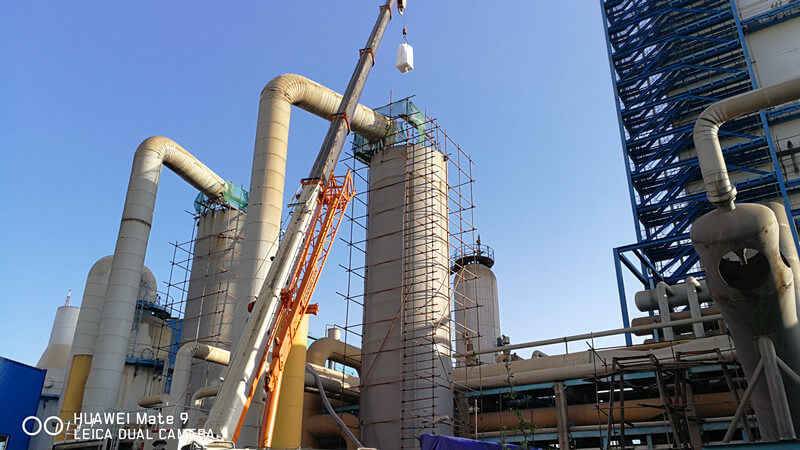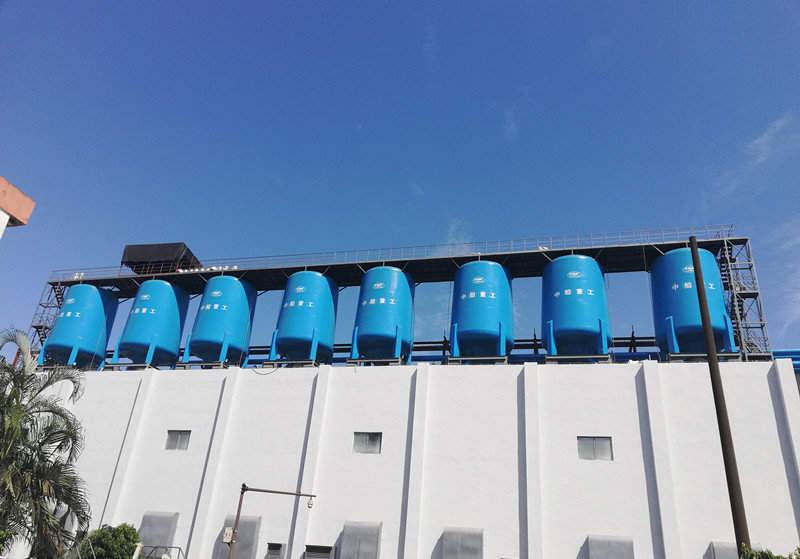
Activated alumina shows up in three places you might have met it: inside a compressed-air dryer, inside a fluoride water filter, and inside a bag of desiccant for a 3D printer. Same little white beads, three very different jobs. This guide walks the full distance: what the material actually is, what the numbers on its spec sheet mean, where it wins and loses against silica gel and molecular sieve, how it fails, and what to write into a purchase order so the beads you receive match the beads you specified.
What Is Activated Alumina?
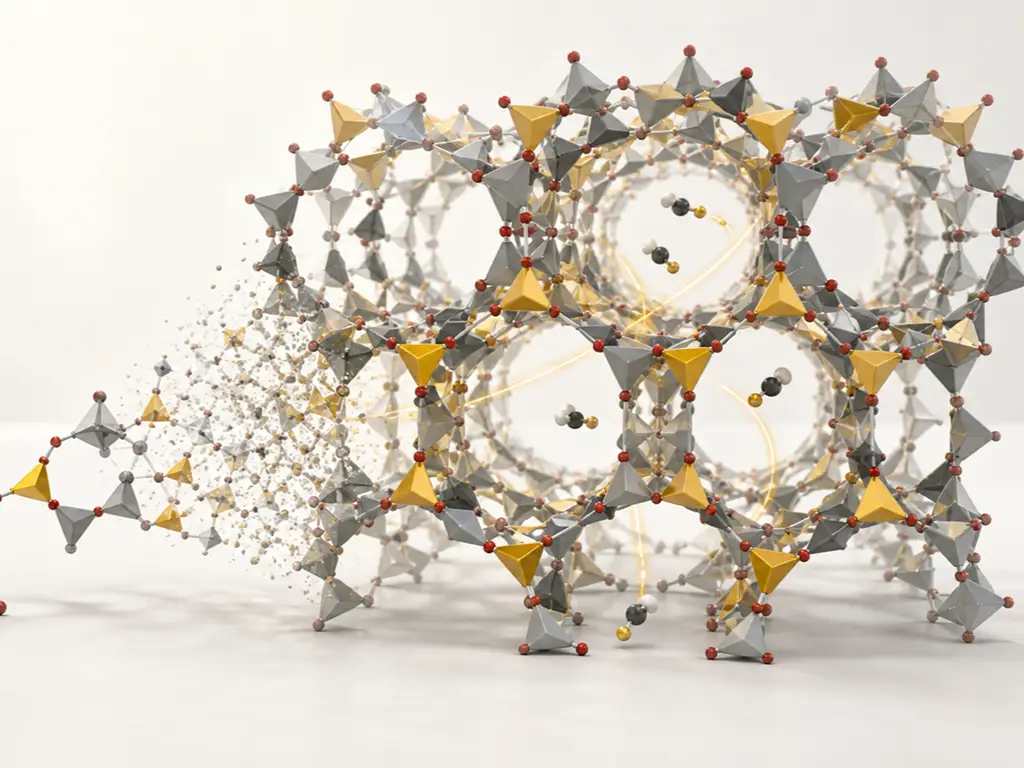
Activated alumina is a porous, high-surface-area form of aluminum oxide (Al₂O₃) manufactured as granules, beads or shaped particles for adsorption and catalyst-support duties. Commercial grades commonly exceed 200 m²/g, but the useful value depends on phase composition, pore-size distribution, forming method and test procedure—not surface area alone. Its surface adsorbs water vapor and, under suitable water chemistry, contaminants such as fluoride, arsenic and selenium (U.S. EPA, 2023).

The word “activated” describes a porous transition-alumina structure produced by controlled dehydration and calcination of aluminum hydroxides. It should not be reduced to a claim that every product is pure γ-Al₂O₃: γ-alumina is the best-known commercial phase, while η-, χ-, δ- and θ-alumina or phase mixtures can occur depending on the precursor and thermal history (Chandran et al., 2019). Dense α-Al₂O₃ (corundum) has much lower surface area and is selected for abrasives, refractories and other duties rather than as a high-capacity adsorbent.
Activated alumina is a noncombustible solid, but fines can irritate the eyes, skin and respiratory tract, and dust control remains necessary during loading and removal (NIOSH, 2019). Regulatory suitability is application-specific: drinking-water or food-related use requires the correct grade, initialization, leach testing and process controls rather than a blanket claim that every activated alumina product is approved for food or pharmaceutical use.
How Activated Alumina Is Made — and What the Specs Actually Mean
Industrial production typically begins with a controlled aluminum-hydroxide precursor such as gibbsite, boehmite or bayerite. Dehydration and calcination create transition alumina and its pore network; shaping may occur before or after activation through agglomeration, extrusion or other forming routes. The product is then classified into particle-size grades. The precise route varies by grade, so describing every product as calcined first, then crushed into beads, is inaccurate.
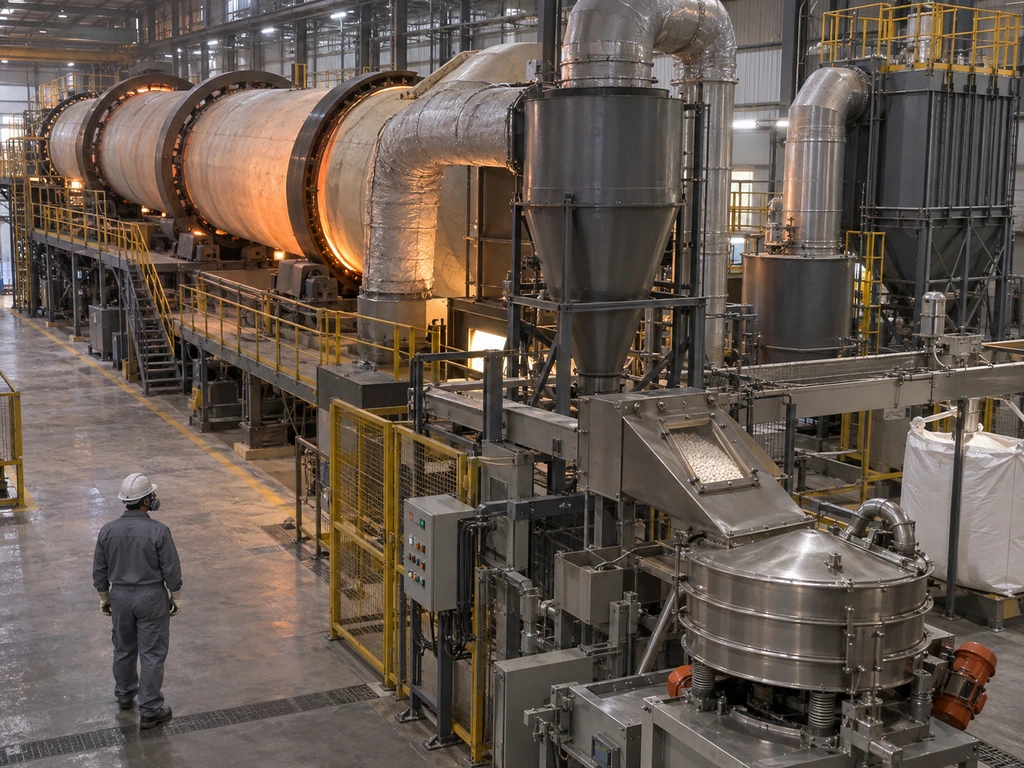
Two process stages decide whether the beads are any good. The calcination profile sets the pore network, which sets the adsorption capacity. The forming stage sets the mechanical properties: how hard each bead is, and how much dust it sheds under load.
Four numbers provide a useful first screen, though none should be read alone. Surface area helps describe available internal surface but is not a direct working-capacity guarantee. Crush strength indicates resistance to fracture under the stated test method. Attrition loss estimates fines generation, while bulk density connects media mass to vessel volume. Particle size and pore-volume distribution should be reviewed alongside all four.
Translate those into consequences and the spec sheet stops being abstract. A high-capacity bead with weak crush strength fractures during loading, and the fines it sheds coat the very surface area you paid for. A high attrition number means the bed polishes itself into dust with every regeneration cycle: the dust ends up in downstream valves, and the dew point starts to drift for reasons no one can find on the instrument panel.
The four numbers that matter
Activated Alumina Uses: Where It Delivers Value
Four application domains cover nearly every sack of activated alumina sold:
| Application domain | What it does there | Boundary to check first |
|---|---|---|
| Compressed air & gas drying | Common media for −40 °C-class pressure dew points in heatless and heat-regenerated dryers | Verify that separators, drains and coalescing filtration prevent liquid and oil carryover |
| Water treatment (fluoride, arsenic, selenium) | Selective adsorption media for drinking water, from countertop filters to municipal systems | Check pH first: alkaline water shortens media life |
| Catalyst carrier | Support for polyethylene production, hydrogen peroxide, and Claus sulfur-recovery catalysis | Carrier grades are spec’d differently from desiccant grades |
| PSA & gas purification | Front-end dryer media protecting molecular sieve layers in oxygen, hydrogen, and natural-gas units | Size the guard layer for contaminant load, not just water |
Two jobs that look similar but are not. Drying liquid systems — polyurethanes, coatings, sealants — is the work of activated zeolite powders, and deep-freeze air separation with medical oxygen concentrators belongs to molecular sieves. Neither basket is alumina’s.
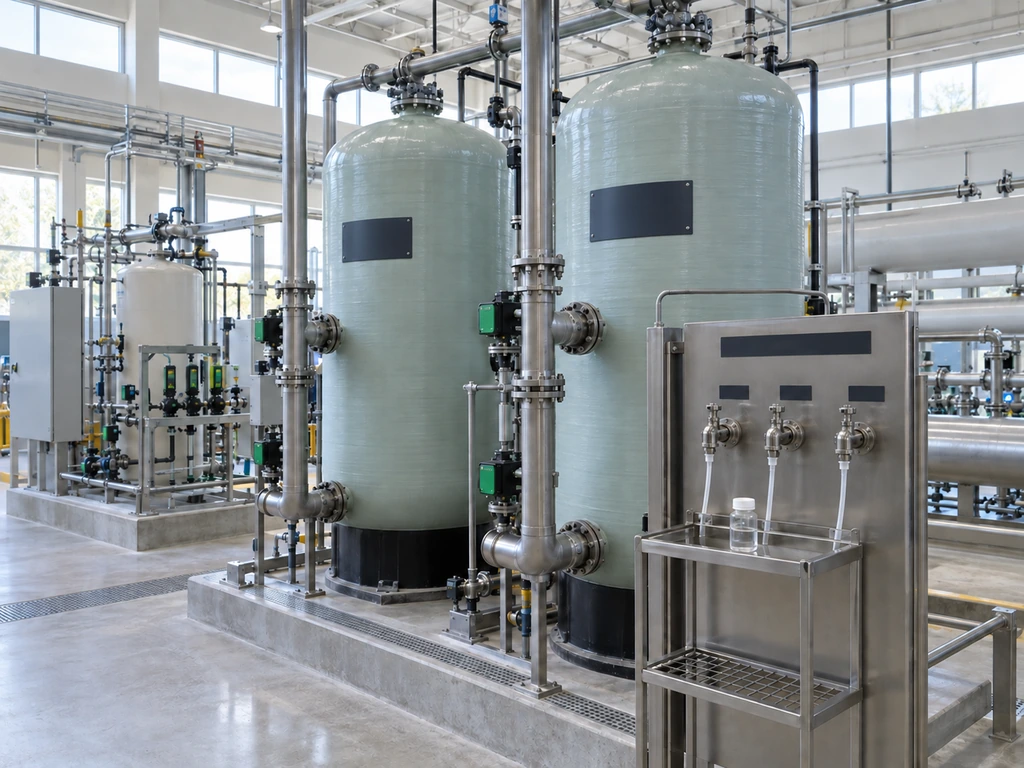
The water-treatment domain requires tighter qualification than a general adsorbent claim. EFSA concluded that activated-alumina treatment can safely remove fluoride from natural mineral water when initialization, regeneration, leach testing and process monitoring are properly implemented (EFSA, 2006). EU Regulation 115/2010 likewise requires residues released by the treatment to remain as low as technically feasible and not pose a public-health risk (European Commission, 2010). Performance is strongly pH-dependent: EPA guidance shows that fluoride and arsenic adsorption is generally favored in mildly acidic water, while silica and other competing ions can reduce capacity (U.S. EPA, 2003). Treatment systems therefore need representative-water testing and scheduled monitoring of both the target contaminant and relevant leachates.
Activated Alumina vs Silica Gel vs Molecular Sieve: Matching the Medium to the Condition
Search results love to frame this as a shootout. It isn’t one. The three media occupy different positions on a condition spectrum, and most real beds use at least two of them together.
Rank the media by dew-point target
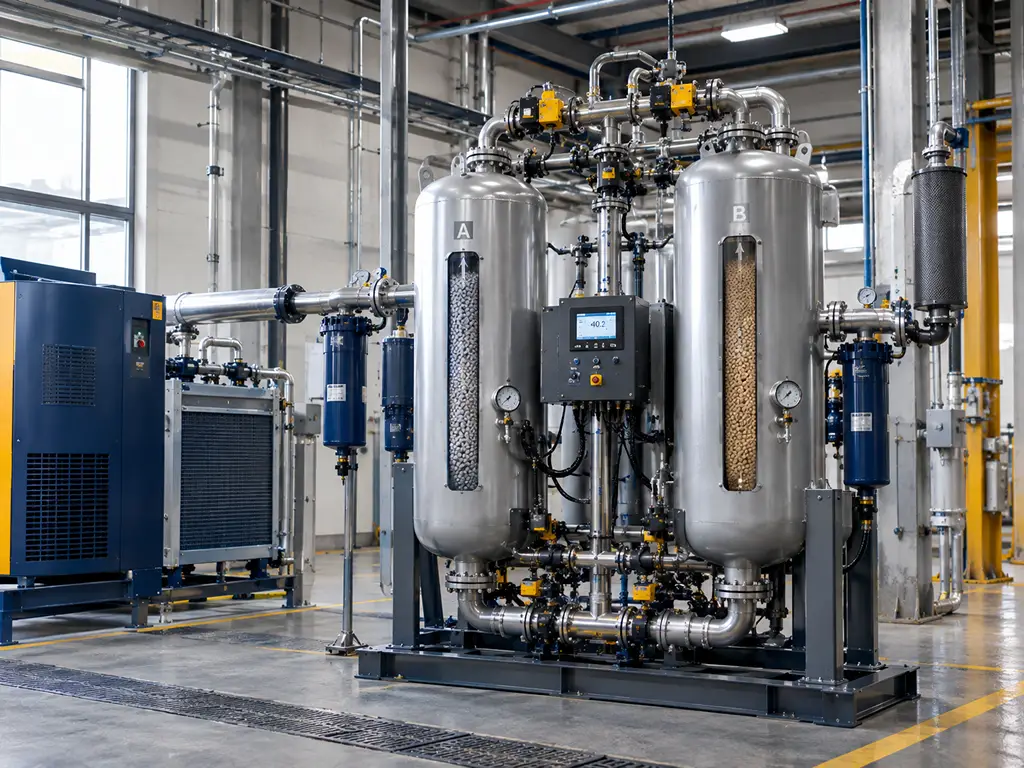
Conventional refrigerated dryers commonly operate in the 35–50 °F (about 2–10 °C) pressure-dew-point range. Regenerative desiccant dryers commonly target −40 °C and can reach lower values when the dryer, regeneration cycle and media system are designed for them (CAGI, 2017). An activated alumina desiccant is widely used for −40 °C-class service because it combines water capacity with useful mechanical strength. Molecular sieve is commonly introduced for very-low-vapor-pressure polishing. None of these desiccants should be exposed to bulk liquid water or oil aerosol; separators and coalescing filtration belong upstream.
Watch the humidity band where capacities cross
Activated alumina provides useful working capacity across moderate-to-high water-vapor loadings, while molecular sieve generally retains stronger affinity as vapor pressure becomes very low. The crossover is not a universal −40 °C boundary: it depends on temperature, pressure, adsorption isotherms, cycle time and regeneration history. A JALON adsorbent grade lists ≥17 %wt static water adsorption at 60% RH and 25 °C (activated alumina specifications), but this single-point laboratory value should not be compared directly with another material tested at a different RH or method.
Media are matched, not ranked.
Compare adsorption behavior at the actual inlet and outlet vapor pressures, then check mechanical strength, contamination tolerance, regeneration method and lifecycle cost. No regenerative desiccant bed should be used as a substitute for upstream bulk-liquid removal.
Layer the bed instead of choosing a winner
Layered beds are one engineering option, not a default rule. The U.S. Department of Energy notes that more than one desiccant may be used for special drying applications and that molecular sieve can serve as the final drying agent where very low dew points are required (U.S. Department of Energy, 2016). Particle size, layer order, flow direction and regeneration method must follow the dryer design. An upstream alumina layer can carry much of the vapor load, but it does not make liquid-water carryover acceptable.
The full decision, in one matrix:
| Condition | Silica gel | Activated alumina | Molecular sieve | Boundary: the check that decides |
|---|---|---|---|---|
| High-humidity vapor drying | High capacity in suitable conditions | Strong candidate with robust formed grades | May be reserved for lower-vapor-pressure duty | Compare isotherms and dynamic capacity at the real conditions |
| −40 °C-class compressed air | Feasible in suitable dryer designs | Common choice | Also feasible | Check rated conditions, purge demand and pretreatment |
| −70 °C-class deep drying | Generally not the first choice | May form an upstream layer | Common polishing choice | Validate the complete dryer cycle, not the media alone |
| Liquid-water carryover risk | Not acceptable | Not acceptable | Not acceptable | Correct the separator, drains and coalescing filtration upstream |
| Fluoride/arsenic drinking water | Not selective | Selective media | Not the standard choice | Test pH first; alkaline water shortens media life |
| Catalyst carrier | No | Carrier-grade alumina | No | Order carrier grades, not desiccant grades. The specs differ |
JALON can compare activated-alumina and molecular-sieve grades against your inlet conditions, target dew point, regeneration method and existing vessel design. The recommendation can include relevant grade data and samples for qualification before a full bed change.
Get a Media RecommendationRegeneration, Service Life, and How Activated Alumina Fails
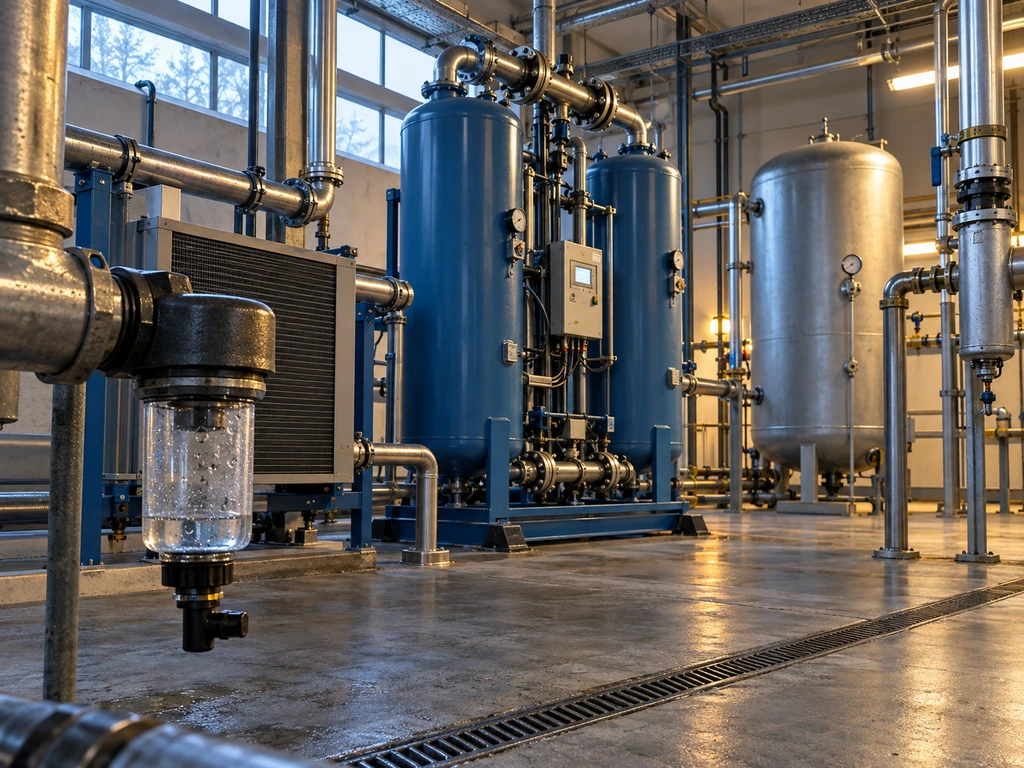
Regeneration determines working capacity, energy use and service life. The correct procedure depends on whether the dryer is heatless, internally or externally heated, blower-purge, heat-of-compression, or a non-dryer adsorption system.
The regeneration loop — and why the temperature numbers disagree
A heated cycle normally includes heating, desorption/purge and cooling before the bed returns to adsorption. There is no universal regeneration temperature: the required bed temperature depends on adsorbent grade, water loading, purge-gas dew point and flow, cycle time, heater arrangement and target outlet dew point. Published research on water-loaded activated alumina therefore treats regeneration as a coupled heat-and-mass-transfer problem rather than a single setpoint (Zhang and Wang, 2017). JALON’s activated-alumina regeneration guide provides supplier guidance, but the dryer/OEM procedure and the qualified grade limit should govern the operating profile.
Heating harder is not automatically better. Excess temperature or prolonged exposure can reduce surface area through phase transformation or sintering, while insufficient purge or cooling leaves residual water or returns a hot bed to service. Specify the target outlet dew point first, then qualify the heating, purge and cooling sequence against that target.
Five failure modes, and the check that catches each
Every one of these shows up repeatedly in practitioner reports, and each has a checkable action rather than a vague warning:
- Under-regeneration: the outlet dew point climbs. Watch the outlet dew point, not the heater setpoint. A bed can “regenerate to temperature” and still be wet.
- Dust and attrition: drifting dew point plus downstream valve wear. Spec the attrition number on paper before purchase; purge the bed gently after loading.
- Breakthrough: the mass-transfer zone reaches the outlet. Switch or regenerate the bed before the outlet exceeds its specified dew point. Saturation itself is not necessarily irreversible; incomplete or damaging regeneration is the real concern.
- Liquid-water or oil carryover: rapid bed upset. Verify separators, drains and coalescing filtration. No adsorbent layer should be assigned the job of routinely absorbing bulk liquid.
- Alkaline water (treatment service): shortened media life. Test outlet fluoride and aluminum on a fixed schedule; replace on test results, not on calendar faith.
Higher regeneration temperature is not automatically better. Use the lowest qualified heat-and-purge profile that restores the required outlet dew point without overheating the adsorbent, then cool the bed with dry gas before repressurization.
What service life actually looks like
CAGI describes periodic desiccant replacement—often around three to five years—as typical for regenerative compressed-air dryers, while emphasizing the importance of oil control and proper pretreatment (CAGI, 2017). This is a planning range, not a warranty. Actual life depends on inlet liquid and oil control, pressure cycling, attrition, regeneration completeness, thermal history and whether the vessel operates within its rated flow and temperature.
The regeneration loop
How to Specify Industrial-Grade Activated Alumina
Everything above collapses into a purchase order. The following values are examples drawn from one published adsorbent-grade product range, not universal industry minima. Buyers should qualify the grade and test method that match their own bed and duty:
| Acceptance parameter | Example value to verify | Why it belongs in the contract |
|---|---|---|
| Static water adsorption | ≥17 %wt (60% RH, 25 °C) | The capacity you’re paying for |
| Crush strength | ≥25 N (1.0–2.2 mm grade) up to ≥280 N (8.0–10.0 mm grade), 25-bead average | Beads survive loading and pressure swings |
| Loss on attrition | ≤0.30 %wt | Dust is the root of dew-point drift and valve wear |
| Bulk density | ≥0.60–0.70 g/ml (grade-dependent) | What the vessel actually holds; sizing math |
| Size grades | 1.0–10.0 mm across seven grades | Match the bed design: pre-bed vs. service layer |
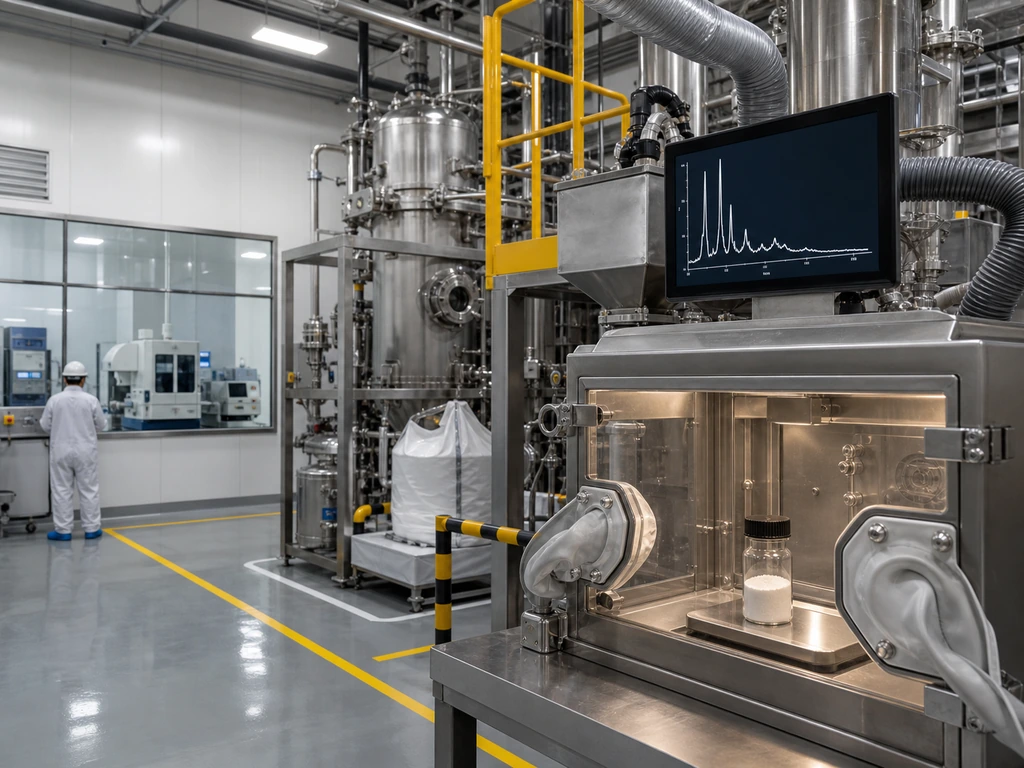
These example values follow JALON’s published adsorbent-grade data (activated alumina product specifications). A valid purchase specification must also name the sampling plan, conditioning procedure and test method; otherwise two suppliers can report nominally similar numbers that are not directly comparable.
Ask whether each shipment includes a batch-specific certificate with measured values, whether retained samples support traceability, how the media is activated and packaged against moisture pickup, and whether the proposed grade has been checked against the vessel, regeneration method and inlet contaminants. Sample qualification is useful where application risk justifies it, but free samples or minimum-order policy are commercial terms—not measures of technical quality.
Write the qualified attrition limit and crush-strength method into the contract. Terms such as “high adsorption capacity” are not enforceable unless the test humidity, temperature, conditioning and acceptance value are stated.
RFQ checklist
- Static water adsorption with RH, temperature and conditioning stated
- Crush strength specified by particle size and test method
- Attrition limit and test method written into the contract
- Bulk density stated for vessel sizing
- Particle-size distribution matched to the bed design
- Batch certificate with actual measured values
- Activation status and moisture-barrier packaging defined
- Retained sample and traceability procedure confirmed
The Business Lens: Stocking by Condition, Not by Price
For the distributors and dryer-service businesses in the audience, the material knowledge above reads differently. Re-read through that lens, it becomes an inventory argument.
The media tiers from the comparison section mean a stockroom should be organized by dew-point class, not by desiccant category, because that is how buyers actually arrive. The −40 °C-class compressed-air buyer and the −70 °C deep-drying buyer are different customers with adjacent baskets, and the layered-bed practice from that same section is the bridge between them: alumina goes out the door as the guard layer on nearly every deep-drying deal.
Activated alumina is not simply a lower-cost substitute for molecular sieve. It occupies a different part of the adsorption and mechanical-performance envelope, and it may be used alone or as part of a qualified layered system. For distributors, the defensible distinction is therefore application matching and documented acceptance data—not an unsupported claim that one medium is universally tougher, cheaper or better.
Water-treatment grades also require a separate qualification path from gas-drying grades. The buyer needs water-specific data on pH, competing ions, initialization, regeneration or disposal, leach testing and breakthrough monitoring rather than a compressed-air dew-point claim. Inventory and sales documentation should keep those use cases separate.
Match the Grade to Your Conditions
JALON can compare activated-alumina grades against your gas or water composition, operating conditions, vessel design and acceptance limits. The review can include relevant product data, test conditions, particle-size options and samples for qualification before purchase.
Request a Grade RecommendationReferences
- Chandran, C.V. et al. Alumina: Discriminative Analysis Using 3D Correlation of Solid-State NMR Parameters. Chemical Society Reviews 48, 134–156, 2019.
- U.S. Environmental Protection Agency. Work Breakdown Structure-Based Cost Model for Adsorptive Media Drinking Water Treatment. 2023.
- U.S. Environmental Protection Agency. Water Treatment Technology Feasibility Support Document for Chemical Contaminants. 2003.
- European Food Safety Authority. Safety in Use of the Activated Alumina Treatment for the Removal of Fluoride from Natural Mineral Waters. EFSA Journal 394, 2006.
- European Commission. Commission Regulation (EU) No 115/2010 Laying Down the Conditions for Use of Activated Alumina for the Removal of Fluoride. 2010.
- National Institute for Occupational Safety and Health. NIOSH Pocket Guide to Chemical Hazards: α-Alumina. 2019.
- U.S. Department of Energy. Improving Compressed Air System Performance: A Sourcebook for Industry, Third Edition. 2016.
- Compressed Air and Gas Institute. Compressed Air and Gas Drying. 2017.
- Zhang, P. and Wang, L. Determination of Characteristic Desorption Temperature by Thermal-Pulse Regeneration: A Case Study of Water–Activated Alumina System. International Journal of Heat and Mass Transfer 111, 602–607, 2017.

 EN
EN  DE
DE  ES
ES  JA
JA  RU
RU  PT
PT  FR
FR  AR
AR  KO
KO  TH
TH  ID
ID