What Is Zeolite Powder? Types, Structure, and Key Properties
Zeolite powder is a crystalline aluminosilicate material with a three-dimensional microporous framework. Its defining feature is a network of uniform pores — often called “molecular sieves” — that selectively admit molecules based on size while excluding larger ones. This structure, built from interconnected SiO₄ and AlO₄ tetrahedra, gives zeolite powder its extraordinary adsorption capacity, ion-exchange capability, and catalytic activity.
Zeolite powder is not one material. It is a family of framework types, each with a distinct pore architecture, and the choice of type fundamentally determines what it can do. The International Zeolite Association (IZA) has identified over 255 unique zeolite framework structures, though industrial applications concentrate on a handful of proven workhorses (IZA Structure Commission, 2024).
Here is how the most important industrial zeolite powder types compare:
| Type | Pore Size (Å) | Framework | Key Industrial Role |
|---|---|---|---|
| 3A | ~3 | LTA (K⁺ form) | Selective water removal; excludes everything larger than H₂O |
| 4A | ~4 | LTA (Na⁺ form) | Water + small molecule adsorption; detergent builder |
| 5A | ~5 | LTA (Ca²⁺ form) | Separation of straight-chain from branched hydrocarbons |
| 13X | ~10 supercage; ~7.4 window | FAU | Large-pore adsorption; CO₂ capture; gas purification |
| ZSM-5 | ~5.5 | MFI | Shape-selective catalysis; MTG/MTP; VOC adsorption |
For industrial buyers, a distinction matters: synthetic zeolite powder versus natural zeolite (typically clinoptilolite). Synthetic zeolites have precisely controlled pore size, tunable Si/Al ratios from 1 to effectively infinity (fully siliceous), and batch-to-batch consistency that industrial processes depend on. Natural zeolites, while cheaper, contain mixed mineral phases and variable composition that make them unsuitable for precision applications like catalysis and high-specification drying. If your process requires predictable performance, synthetic is the default choice.
Zeolite Powder as a Moisture Scavenger: PU, Coatings, Sealants, and Adhesives
Moisture scavenging is the single largest industrial application for zeolite powder — and it is also the least visible in current search results. In polyurethane systems, protective coatings, and high-performance sealants, trace water is rarely a specification parameter on the purchase order, but it is often the root cause behind batch failures, shortened shelf life, and field performance complaints.
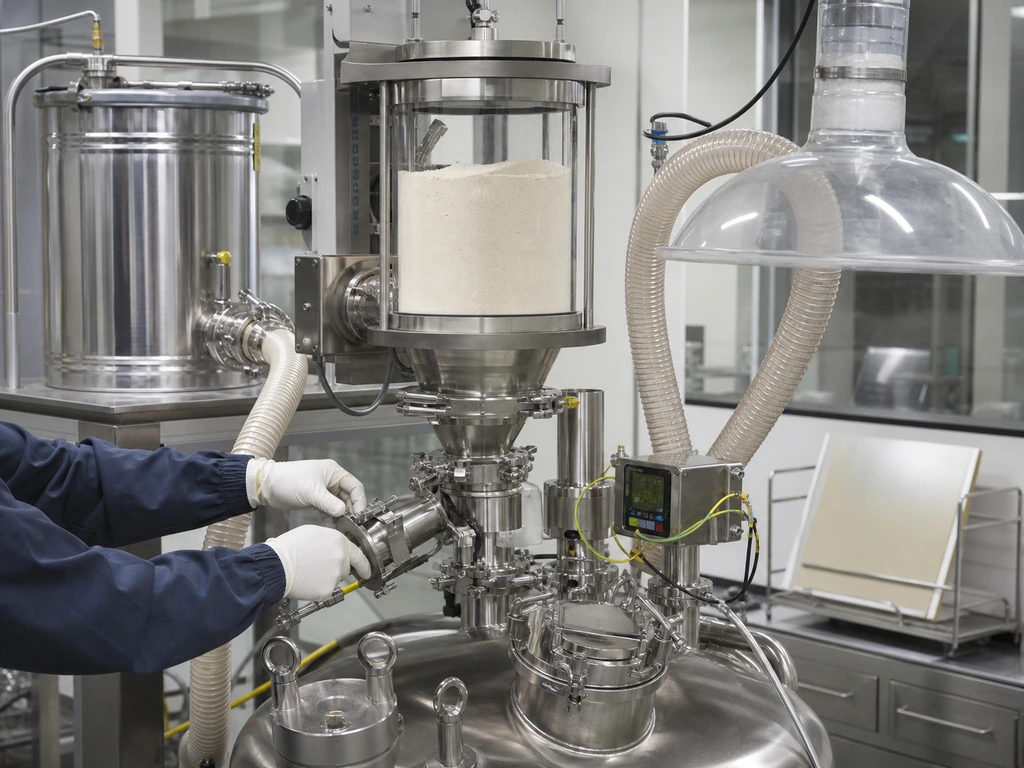
Before diving into specific industries, here is the framework for understanding when zeolite powder is the right tool: you need it when (1) your formulation contains moisture-sensitive components such as isocyanates, silanes, or metal catalysts; (2) water triggers side reactions that manifest as bubbles, viscosity drift, or incomplete cure; and (3) your target moisture level is below 100 ppm — well beyond what conventional desiccants like silica gel can achieve. Importantly, activated zeolite powder — which has been thermally treated at 300–350°C to evacuate its pores — delivers immediate adsorption capacity, unlike non-activated powder that arrives with its pores already saturated with ambient moisture.
Moisture Control in Polyurethane Systems
Polyurethane formulations represent the largest single market for zeolite powder moisture scavenging. The core problem: isocyanate groups react with water to produce carbon dioxide gas and urea linkages. In a flexible foam, uncontrolled CO₂ generation creates erratic cell structure. In a coating or elastomer, the same reaction causes viscosity buildup, gel particles, and compromised mechanical properties.
Water enters PU systems through three pathways: residual moisture in polyols and fillers, humidity ingress during processing, and dissolved water in solvents. Zeolite powder addresses all three by physically trapping water molecules inside its pore structure — critically, without consuming isocyanate groups in the process.
Typical addition rates range from 1% to 5% of total formulation weight, with 3A activated zeolite powder being the industry standard. Its ~3 Å pore opening is precisely sized: water molecules, with a kinetic diameter of 2.65 Å, enter freely, while virtually all organic molecules in the formulation are excluded. The result is selective, non-reactive drying that can significantly improve storage stability. The actual shelf-life gain depends on the formulation, initial moisture load, packaging, and storage conditions, so it should be confirmed through controlled aging trials.
Protective Coatings and Paints: Preventing Humidity-Driven Defects
In zinc-rich primers and epoxy coatings, moisture is the invisible saboteur. When zinc powder reacts with water, it generates hydrogen gas, producing pinholes and micro-porosity in the cured film. In amine-cured epoxy systems, water molecules interfere with the stoichiometric crosslinking reaction, leaving the coating softer, less chemical-resistant, and prone to premature delamination.
The solution is 4A activated zeolite powder, typically dosed at 2–6% of zinc pigment weight. Its ~4 Å pores accommodate water, methanol, and other sufficiently small polar molecules, but generally exclude larger alcohols such as ethanol, whose kinetic diameter is about 4.3–4.4 Å. The operational constraint is dispersion: zeolite powder must be introduced during the pigment grind stage, not post-letdown, to ensure uniform distribution throughout the film. Particle size matters here — a D50 of 5 µm or finer preserves gloss and leveling in the finished coating, while coarser grades can leave visible texture.
Sealants and Adhesives: Extending Pot Life and Shelf Stability
For sealant and adhesive manufacturers, pot life is money. In moisture-cure silicone and silane-modified polymer (SMP) sealants, any water that enters the package before application starts the cure reaction prematurely. In two-component epoxy or PU adhesives, filler-bound moisture alters the mix ratio and degrades bond strength.
5A activated zeolite powder — with its Ca²⁺-exchanged A-type framework and effective pore diameter of ~5 Å — is a useful formulation option here. It captures both water (2.65 Å) and CO₂ (3.3 Å), the latter being relevant for PU adhesives where dissolved CO₂ can also affect processing. Appropriate loading can extend working time and improve storage stability, but the result depends on the resin, filler moisture, catalyst package, and test method. Industrial 5A grades typically provide a static water adsorption capacity of about 20–22 wt% at 25°C under saturated-humidity test conditions.
Other Industrial Drying Applications
Beyond the three major segments above, activated zeolite powder handles precision drying across a range of specialized applications. 13X activated powder has an FAU supercage of roughly 10–12 Å connected by an effective window of about 7.4 Å, plus a static water capacity that can exceed 26 wt%. It handles organic solvent drying — removing trace water from acetone, toluene, and other process solvents where moisture would poison downstream reactions. In lubricant and grease manufacturing, zeolite powder extends oxidative stability by scavenging dissolved water that accelerates base oil degradation. Electronic encapsulants and potting compounds rely on zeolite-dried formulations to prevent corrosion of sensitive components. Refrigeration systems use 3A molecular sieve powder for line drying during assembly, targeting a dew point of −40 °C or lower — equivalent to less than 100 ppm residual moisture.
Zeolite Powder in Catalysis: Petrochemical Processing and Chemical Manufacturing
Catalysis represents zeolite powder’s highest-value application. What makes zeolites uniquely effective as catalysts and catalyst supports comes down to three properties working together: Brønsted acid sites — the bridging hydroxyl groups created by each aluminum atom in the framework — provide the active centers for hydrocarbon transformation; the pore architecture imposes shape selectivity, controlling which reactant molecules can reach those sites and which products can exit; and the Si/Al ratio, tunable from roughly 1 to effectively infinity, sets the balance between acid site density and hydrophobicity. Each major industrial catalytic process leverages this triad differently.
Fluid Catalytic Cracking: The Backbone of Modern Refining
Fluid catalytic cracking (FCC) is the single largest catalytic process on earth, converting heavy vacuum gas oil into gasoline, diesel, and light olefins. At its heart is zeolite Y — an FAU framework with supercages roughly 11–12 Å across connected by windows of about 7.4 Å — incorporated at 15–50 wt% into a composite catalyst particle. Inside that pore system, long-chain hydrocarbons crack into the shorter molecules that make up the gasoline boiling range.

A single world-scale FCC unit processes 50,000–100,000 barrels per day. One 2024 estimate placed the broader FCC catalyst and additives market at approximately USD 3.0 billion (Data Bridge Market Research, 2024); this figure covers finished catalyst formulations rather than the zeolite component alone. The zeolite Y inside these catalysts must survive regenerator temperatures reaching 700–750°C in the presence of steam — an environment that would collapse most porous materials within hours. Rare-earth-exchanged REY zeolites provide the hydrothermal stability needed to operate continuously for months.
For the zeolite powder producer, the FCC value chain begins with high-crystallinity Y-type powder — assessed by XRD against a reference standard and required to exceed 90% crystallinity. A unit cell constant between 24.35 and 24.55 Å signals the right Si/Al balance for both activity and stability. This powder then undergoes proprietary forming and post-treatment steps by the catalyst manufacturer to produce the finished FCC catalyst particle.
ZSM-5 and Shape-Selective Catalysis: From Methanol to Gasoline and Propylene
If zeolite Y is the workhorse of refining, ZSM-5 zeolite powder (MFI framework) is the precision instrument. Its ten-ring pore system — straight channels of 5.3 × 5.6 Å intersected by sinusoidal channels of 5.1 × 5.5 Å — creates a molecular-scale filter that only admits linear and mono-methyl-branched molecules. This shape selectivity enables reaction pathways that would be thermodynamically impossible in a non-porous catalyst.
The catalyst distinction in methanol conversion is important. Industrial methanol-to-olefins (MTO) processes designed to maximize ethylene and propylene generally use SAPO-34 with the CHA framework, not ZSM-5. ZSM-5 is instead associated with methanol-to-gasoline (MTG) and methanol-to-propylene (MTP), where its MFI channel system favors gasoline-range hydrocarbons or propylene-rich product distributions. Treating these catalysts as interchangeable would lead to the wrong pore architecture, acidity, and product-selectivity target.
Other established ZSM-5 applications include para-selective toluene disproportionation and ethylbenzene production. In para-xylene production, shape selectivity suppresses the formation of bulkier ortho- and meta-xylene isomers, achieving para-selectivity above 90% under appropriately optimized conditions. The Mobil-Badger ethylbenzene process uses ZSM-5 to catalyze benzene alkylation with ethylene, producing a key styrene precursor.
The powder synthesis itself requires precision: ZSM-5 crystallization at 150–180°C over 24–72 hours using tetrapropylammonium bromide as the structure-directing agent, with the Si/Al ratio — adjustable from 10 to infinity — setting the acid site concentration and, consequently, the catalyst’s activity and coke formation rate.
Emission Control and Environmental Catalysis
The tightest emissions regulations in history are driving the fastest-growing segment of zeolite catalysis. Three applications stand out. For diesel vehicle NOx control, Cu-SSZ-13 — a copper-exchanged zeolite with the CHA framework — is the industry-standard selective catalytic reduction (SCR) catalyst, reducing NOx to nitrogen using ammonia as the reductant across a broad temperature window of 180–550°C with peak conversion exceeding 95%.
For industrial VOC abatement, high-silica MFI and BEA zeolites — typically with Si/Al ratios above 200 and sometimes approaching pure silica — provide hydrophobic adsorbents that preferentially capture organic vapors from humid exhaust streams. For nitrous oxide decomposition from nitric acid and caprolactam plants, iron-exchanged MFI or BEA zeolites catalyze the direct decomposition of N₂O to N₂ and O₂, addressing a greenhouse gas 273 times more potent than CO₂ on a 100-year horizon.
In all three cases, the value chain starts with zeolite powder of precisely controlled composition — framework type, Si/Al ratio, metal loading, and crystallinity — which is then processed into the final catalyst form, typically as a washcoat on a ceramic monolith substrate.
Gas Separation and Adsorption: From Air Separation to Biogas Upgrading
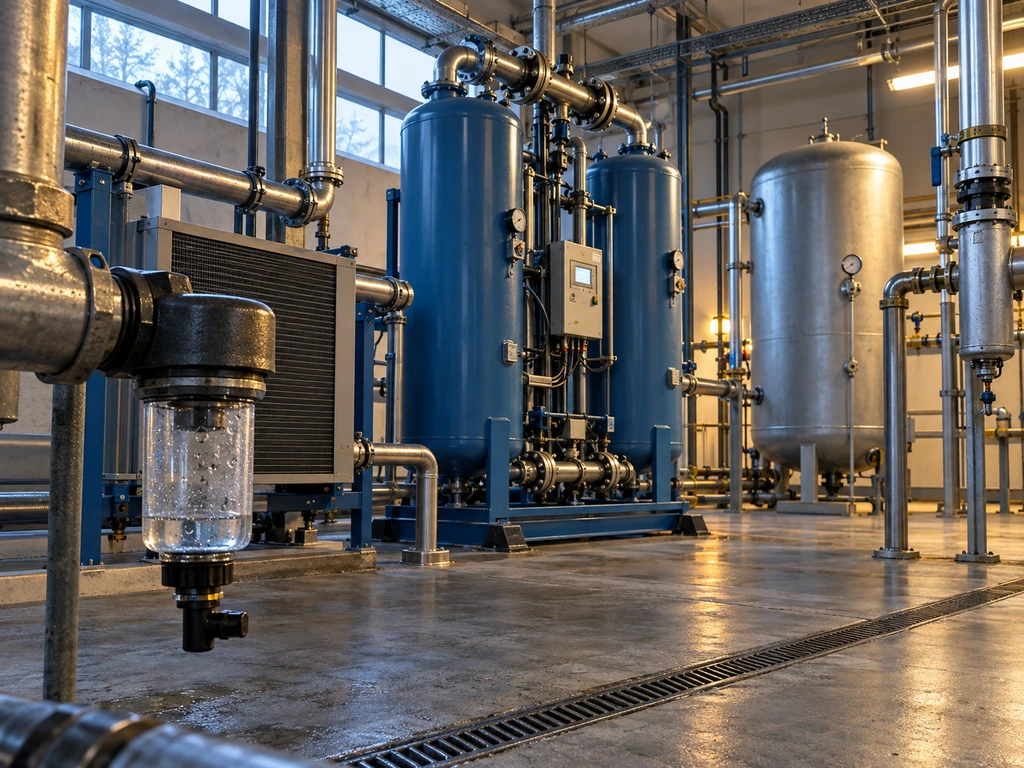
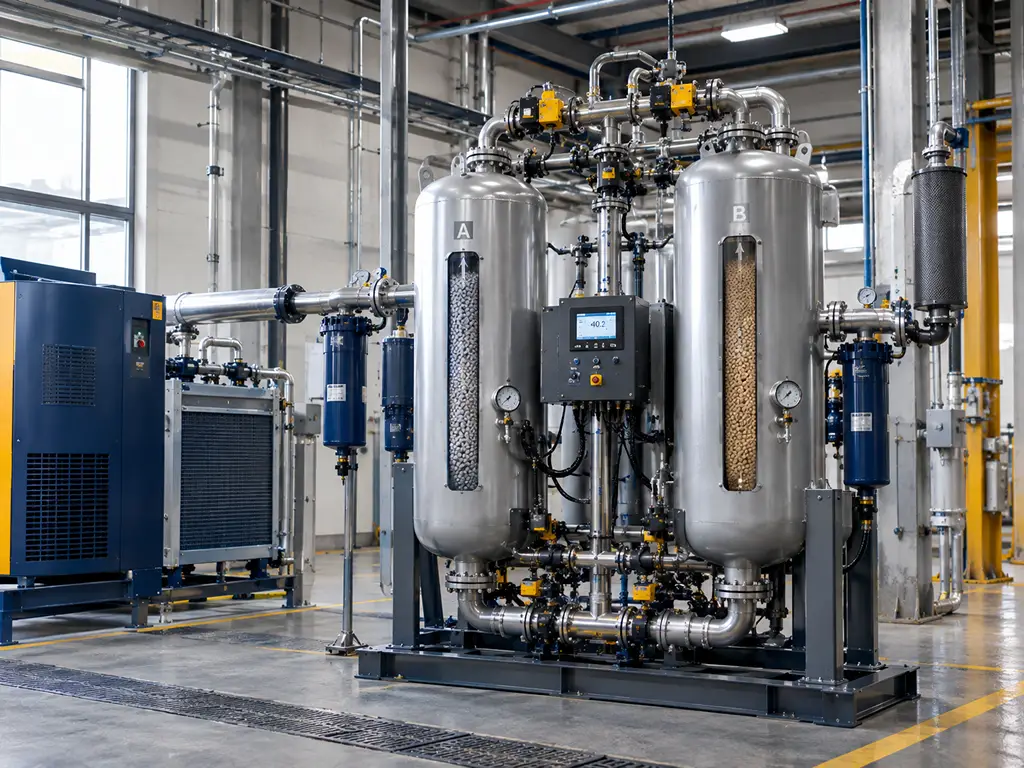
Zeolite powder’s molecular sieving capability is most directly expressed in gas separation. When formed into engineered adsorbent particles (pellets, beads, or extrudates), the powder becomes the working heart of pressure swing adsorption (PSA) units that separate air into its components, purify hydrogen, and upgrade biogas to pipeline-quality biomethane.
PSA oxygen generation depends on lithium-exchanged low-silica X zeolite (LiLSX, FAU framework, Si/Al ≈ 1.0). Under pressure, this material preferentially adsorbs nitrogen over oxygen with a selectivity of 6–8 to 1 — the highest N₂/O₂ selectivity of any commercial adsorbent. A typical PSA oxygen generator cycles between adsorption at 1.5–4 bar and desorption at ambient pressure, with cycle times as short as 30–90 seconds. The result is 93% ± 3% oxygen purity at flow rates from portable medical units delivering 5 liters per minute to industrial VPSA plants producing over 10,000 Nm³ per hour.
PSA hydrogen purification uses 5A or 13X molecular sieves to strip CO₂, CO, CH₄, and N₂ from steam methane reformer syngas, routinely delivering 99.999% hydrogen for refinery hydroprocessing and fuel cell applications. In natural gas processing, 4A molecular sieves dehydrate pipeline gas to a water dew point of −40°C or below — the industry standard for preventing hydrate formation and corrosion in transmission pipelines. For biogas upgrading, the challenge is removing 35–50 vol% CO₂ from raw biogas to produce biomethane with over 97% CH₄ content, suitable for grid injection or vehicle fuel.
| Application | Zeolite Type | Target Removed | Industry Standard |
|---|---|---|---|
| PSA Oxygen | LiLSX (FAU) | N₂ | O₂ purity 93% ± 3% |
| PSA Hydrogen | 5A, 13X | CO₂, CO, CH₄ | H₂ purity ≥ 99.999% |
| Natural Gas Drying | 4A | H₂O | Dew point ≤ −40°C |
| Biogas Upgrading | 13X | CO₂, H₂O | CH₄ ≥ 97% |
Water Treatment, Detergents, and Other Industrial Uses
Beyond the high-profile applications above, zeolite powder is a workhorse material across several additional industrial sectors. These applications, while individually smaller in value than catalysis or moisture scavenging, collectively represent a significant and stable share of global zeolite powder consumption.
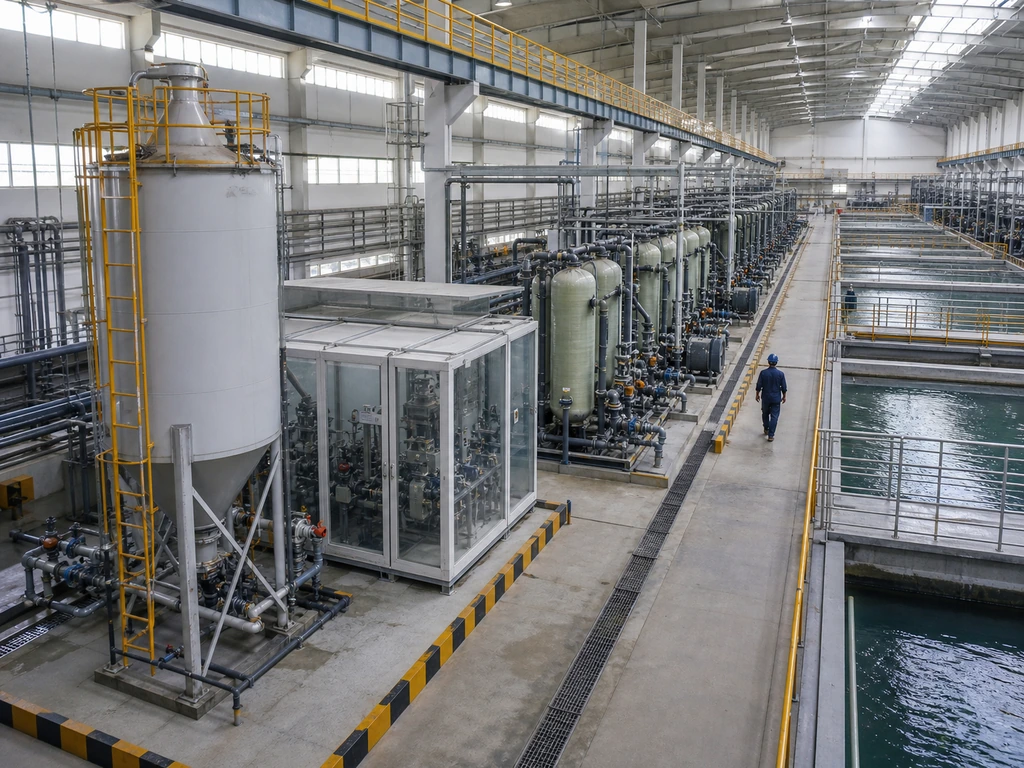
In water and wastewater treatment, natural zeolites — predominantly clinoptilolite with a cation exchange capacity commonly around 1.5–2.2 meq/g — remove ammonium and heavy metal ions (Pb²⁺, Cu²⁺, Cd²⁺) from industrial effluents and municipal wastewater. Synthetic zeolites such as 4A and 13X offer even higher exchange capacities for targeted applications. The most dramatic deployment came after the Fukushima Daiichi nuclear accident, where zeolite ion-exchange columns were used at scale to remove radioactive cesium and strontium from contaminated water — the largest zeolite-based water treatment operation in history.
In the detergent industry, 4A zeolite (NaA type, D50 = 2–5 µm) has largely replaced sodium tripolyphosphate (STPP) as the hardness-removing builder in laundry powders. By exchanging sodium for calcium and magnesium ions, zeolite 4A prevents surfactants from forming insoluble soap scum in hard water, maintaining cleaning performance while eliminating the eutrophication problems that led to global phosphate bans. A typical laundry powder contains 15–30 wt% zeolite 4A, with the global market for detergent-grade zeolite valued in the billions of dollars annually.
In construction, zeolite powder acts as a pozzolanic additive in concrete at 10–20% cement replacement, where it reduces alkali-silica reaction expansion, improves sulfate resistance, and contributes to long-term strength development. In agriculture, zeolite-amended soils retain nutrients and moisture, reducing fertilizer leaching while improving crop yield consistency — applications that, while low in unit value, consume substantial volumes of natural zeolite powder globally.
How to Select the Right Zeolite Powder: A Technical Buyer’s Specification Checklist
After surveying the full landscape of zeolite powder applications, one practical question remains: given a specific industrial need, how do you identify the correct zeolite type and evaluate whether a particular product will perform? The selection logic rests on three interdependent variables — framework topology, extra-framework cation, and Si/Al ratio — that together determine pore accessibility, adsorption selectivity, and operating conditions.
Matching Pore Architecture to Your Target Molecule
The starting point is the molecule you need to capture, separate, or transform. Every molecule has a characteristic kinetic diameter, and a zeolite’s effective pore opening must be larger than the target but smaller than any species you need to exclude. The table below maps common target molecules to their most suitable zeolite types:
| Target Molecule | Kinetic Diameter (Å) | Recommended Zeolite | Selectivity Rationale |
|---|---|---|---|
| Water (H₂O) | 2.65 | 3A | Strictest selectivity — only H₂O enters |
| Carbon dioxide (CO₂) | 3.3 | 4A or 13X | 4A for moderate capacity; 13X for high capacity |
| Methanol | 3.8 | 4A | Fits 4A pore; excluded by 3A |
| Nitrogen (N₂) | 3.64 | LiLSX | Highest N₂/O₂ selectivity (6–8×) for PSA O₂ |
| Benzene | 5.85 | 13X or Y (FAU) | Requires large-pore FAU framework |
A practical note: pore diameter alone does not tell the full story. The cation occupying exchange sites inside the pore partially obstructs the opening. The same LTA framework yields 3 Å effective openings with K⁺, 4 Å with Na⁺, and 5 Å with Ca²⁺ — a fact that makes cation specification as important as framework selection. Wherever possible, request breakthrough curve data from your supplier rather than relying solely on nominal pore size.
Specification Checklist: What to Ask Your Supplier
Once you have identified the candidate zeolite type, the difference between a product that performs and one that causes process problems comes down to six specification parameters. Every industrial buyer should request and review these before committing to a purchase:
- Crystallinity (by XRD). Measured against a reference standard, industrial-grade zeolite powder should show ≥ 90% crystallinity. Low crystallinity means amorphous content — dead weight that contributes nothing to adsorption or catalysis while taking up formulation space.
- Si/Al molar ratio (by XRF or ICP). This single number controls hydrophilicity, acid site density, and thermal stability. A 13X with Si/Al = 1.2 behaves very differently from one at Si/Al = 1.5, even though both carry the same framework name.
- Particle size distribution (D50 and D90). Typical D50 for industrial zeolite powder is 2–10 µm. The D90 should not exceed three times the D50 — a wide distribution indicates inconsistent milling or crystallization and will cause dispersion problems in coatings, sealants, and catalysis.
- Activated moisture content (Karl Fischer titration). For moisture-scavenging applications, the powder must arrive with ≤ 2 wt% residual water. If a supplier cannot provide a lot-specific Karl Fischer result, assume the powder needs in-house reactivation before use.
- Static water adsorption capacity (25°C, saturated humidity, 24 hours). As a benchmark: 3A ≥ 20 wt%, 4A ≥ 22 wt%, 13X ≥ 26 wt%. Values significantly below these thresholds indicate either low crystallinity or incomplete activation.
- Bulk density. Affects formulation metering accuracy and shipping cost. Know your target range and verify it against the supplier’s certificate of analysis for each batch.
When qualifying a supplier, request lot-specific XRD crystallinity, Si/Al ratio, particle-size distribution, Karl Fischer moisture, and adsorption-capacity results together with the test methods used. If the application requires a custom framework, cation form, or particle size, confirm that the proposed production grade can be adjusted and provide a traceable sample for testing under your own process conditions. Manufacturing scope alone is not a substitute for measured batch data and application validation.
Synthetic vs. Natural Zeolite: What Industrial Buyers Need to Know
The current search landscape for “zeolite powder uses” is dominated by health supplement content featuring natural clinoptilolite. For industrial buyers, this creates a misleading frame: the assumption that all zeolite powder is broadly interchangeable. The table below clarifies what separates synthetic from natural zeolite in an industrial context:
| Dimension | Synthetic Zeolite Powder | Natural Zeolite (Clinoptilolite) |
|---|---|---|
| Pore uniformity | Single-phase, precisely controlled pore size | Mixed mineral phases, broad pore distribution |
| Purity | ≥ 95% target framework phase | Typically 50–80% zeolite, balance quartz/feldspar/mica |
| Si/Al ratio | Tunable from 1 to ∞ | Fixed by deposit geology (~4–6 for most clinoptilolite) |
| Batch consistency | High — synthesis conditions are reproducible | Variable — same mine, different benches can differ |
| Cation form | Exchangeable to specification (Na⁺, K⁺, Ca²⁺, Li⁺, Ag⁺, Ba²⁺) | Natural mixed-cation composition |
| Best fit | Precision applications: catalysis, high-spec drying, gas separation | Agriculture, construction, low-cost water treatment |
For every precision application discussed in this article — moisture scavenging in PU formulations, shape-selective catalysis, PSA gas separation — synthetic zeolite powder is the only appropriate choice. The consistency, purity, and tunability that synthetic production enables are not preferences; they are requirements.
For precision industrial applications, JALON combines controlled hydrothermal synthesis with cation exchange, activation, milling, and batch testing to produce synthetic zeolite powders with consistent framework purity, pore structure, particle-size distribution, and moisture performance. Its portfolio covers LTA, FAU, MFI, CHA, and other frameworks, with adjustable Si/Al ratios and cation forms for adsorption, catalysis, formulation drying, and gas separation. Buyers can work with JALON to evaluate traceable samples against their own process conditions before defining a commercial specification, helping reduce qualification risk without treating a standard datasheet as a substitute for application testing.
Emerging Applications: Zeolite Powder in the Green Economy
Zeolite powder’s role is expanding into some of the most capital-intensive sectors of the energy transition. Three directions are moving from laboratory to commercial reality faster than most industry observers expected.
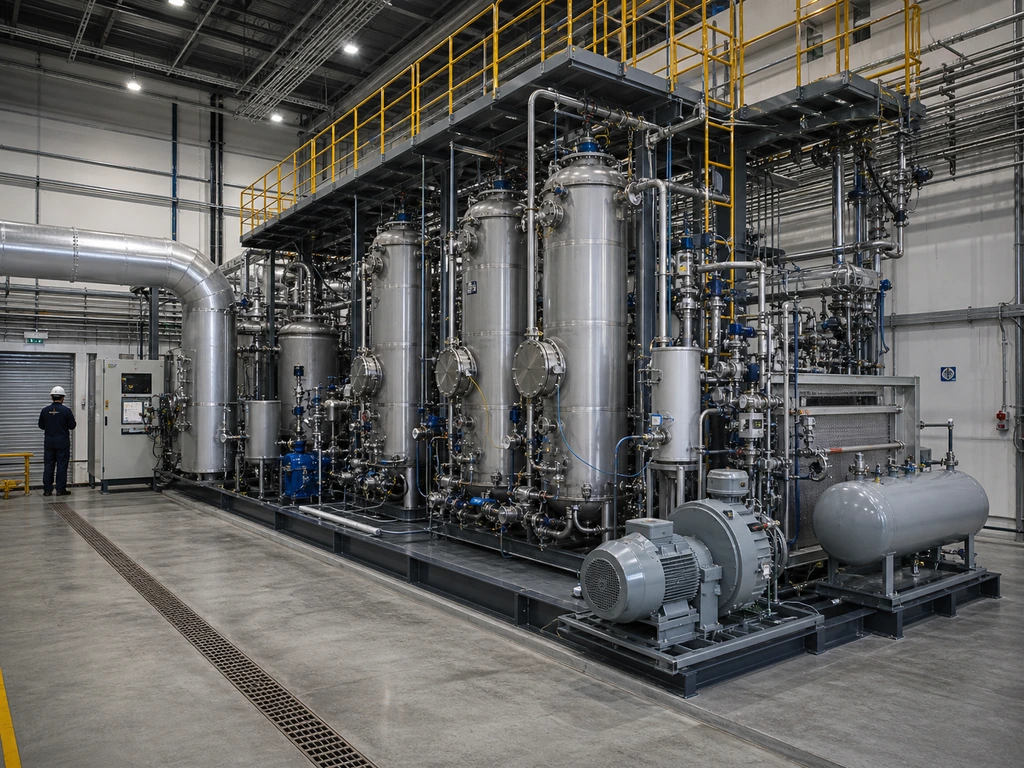
The first is sustainable aviation fuel. Zeolite catalysts with AEL and FAU frameworks are being deployed to hydro-isomerize waste cooking oils and animal fats into jet-range hydrocarbons. The regulatory tailwind is unambiguous: the European Union’s ReFuelEU Aviation regulation mandates that aviation fuel supplied at EU airports contain a minimum 2% SAF from 2025, rising to 6% by 2030, 20% by 2035, and 70% by 2050 (European Commission, 2025). Each percentage point of this mandate represents hundreds of thousands of tons of annual zeolite catalyst demand.
The second is carbon capture. Zeolite 13X adsorbs approximately 4–5 mmol CO₂ per gram under pure CO₂ at ambient conditions, though this drops to 1–2 mmol/g in humid flue gas — a selectivity challenge that is the focus of intensive research on high-silica and amine-functionalized zeolites. The appeal of zeolite-based capture over amine scrubbing is straightforward: no corrosive solvents, no thermal degradation, and lower regeneration energy.
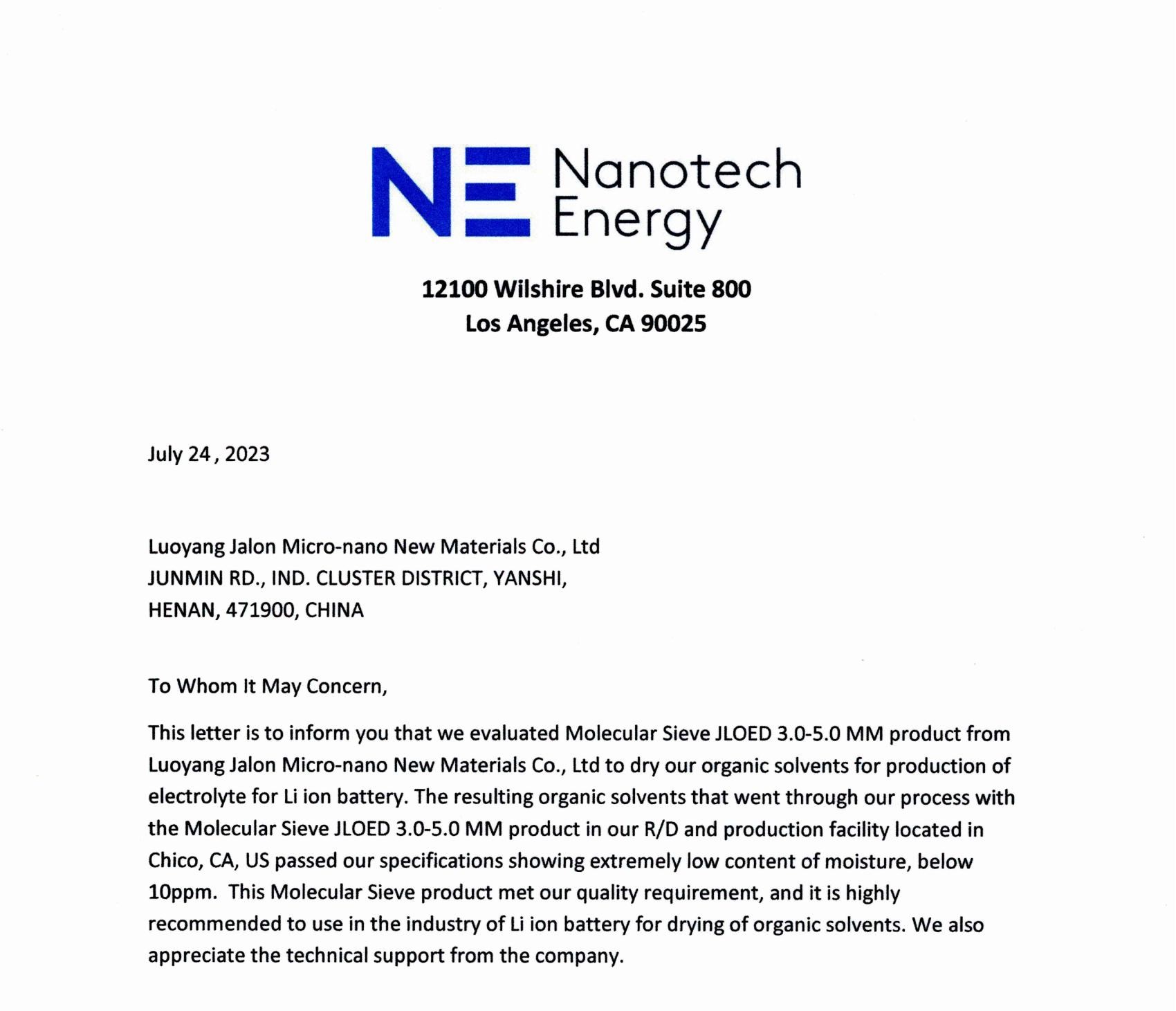
The third is lithium-ion battery manufacturing. Zeolite powder already serves as an ultra-dry desiccant for the organic electrolytes used in battery cells, where moisture must be held below 10 ppm to prevent HF formation and capacity fade. Emerging roles include zeolite-based solid electrolytes and electrode template materials — applications that are earlier-stage but leverage the same fundamental properties of ion conductivity and structural precision that zeolites have demonstrated for decades in catalytic applications.
References
- International Zeolite Association Structure Commission. Database of Zeolite Structures. 2024.
- Data Bridge Market Research. Global Fluidized Catalytic Cracking (FCC) Catalyst Market. 2024.
- European Commission. ReFuelEU Aviation. 2025.


 EN
EN  DE
DE  ES
ES  JA
JA  RU
RU  PT
PT  FR
FR  AR
AR  KO
KO  TH
TH  ID
ID