Recover More Paraxylene per Pass at Your Target Purity.
Meet your PX purity and recovery targets with an adsorption solution matched to your feed and desorbent route.
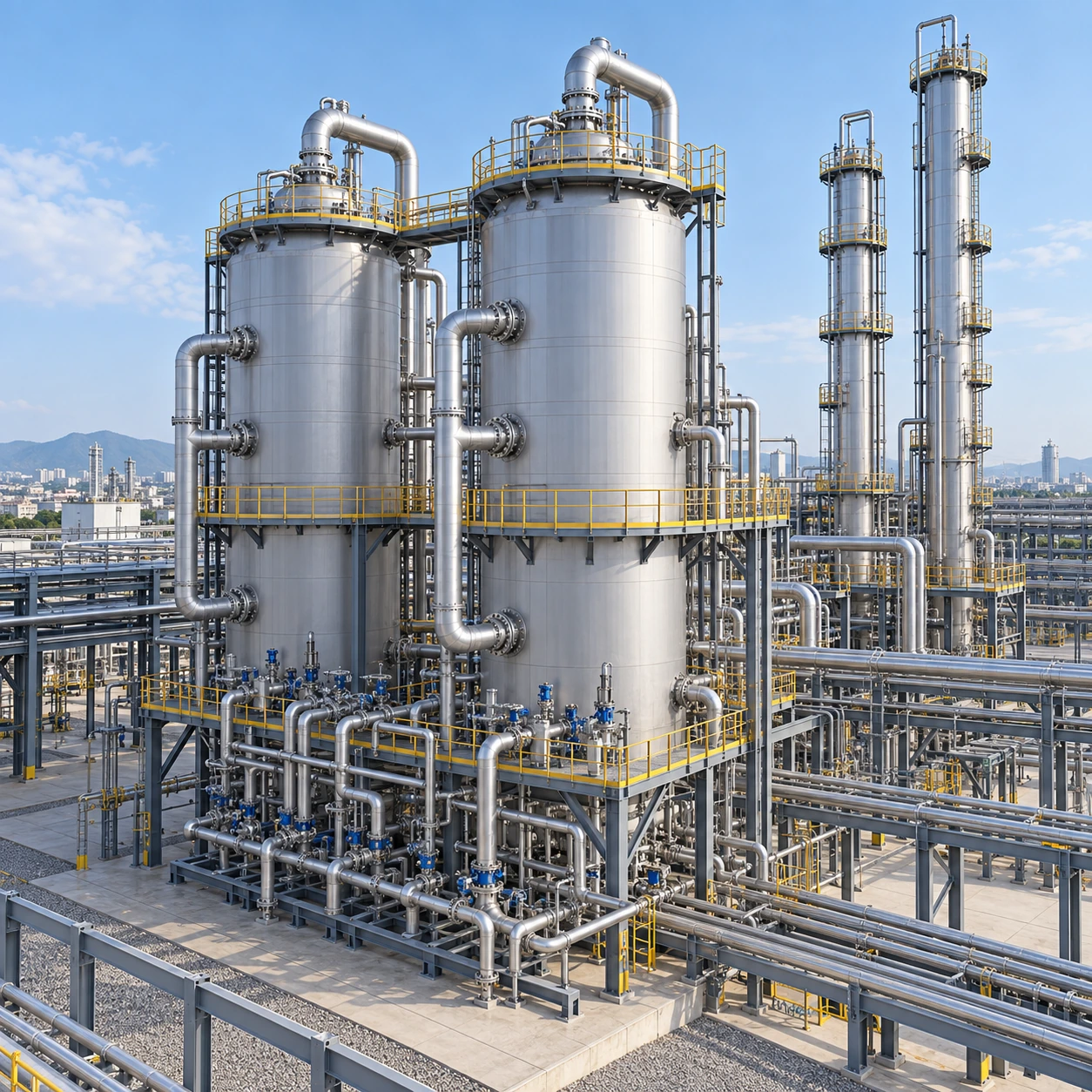
JALON develops and manufactures JLPS molecular sieve adsorbents for simulated moving bed (SMB) separation of mixed C8 aromatics. We combine material development with pilot-scale testing to evaluate purity and recovery together under representative process conditions.
With 28 years of experience in zeolites, we help you assess material choices for new units and adsorbent replacement.
Better PX Recovery Starts with
Selective Separation
High-purity paraxylene (PX) is a key feedstock for purified terephthalic acid (PTA) and polyester production. C8 aromatic feeds also contain metaxylene, orthoxylene and ethylbenzene. Their closely spaced boiling points make PX separation by conventional distillation alone uneconomical.
Crystallization separates PX by cooling the mixture and recovering the resulting crystals. It can be particularly attractive for PX-enriched feeds, with economics influenced by feed concentration and refrigeration requirements.
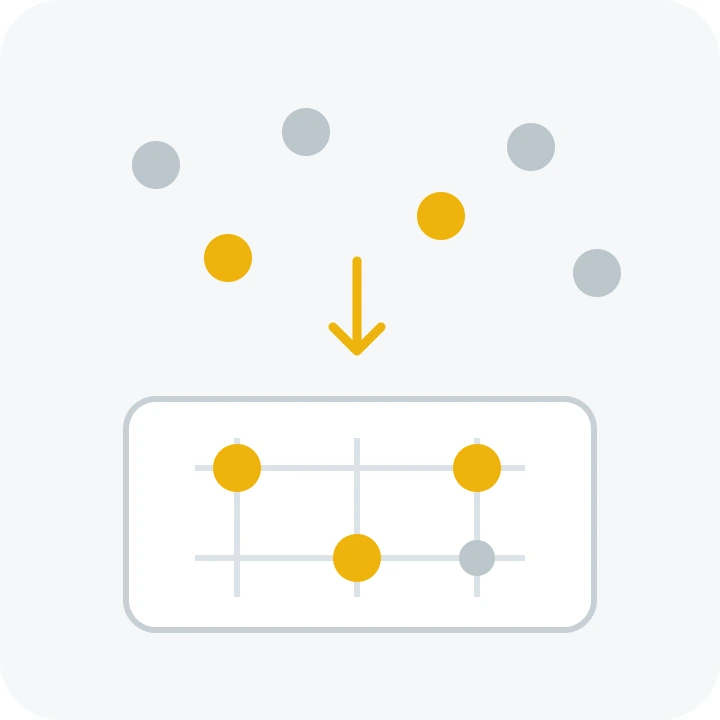
Selective adsorption instead uses a zeolite’s preferential affinity for PX to separate it from mixed C8 aromatics. In SMB systems, this enables continuous separation with high purity and high single-pass recovery, without relying on PX crystallization. These benefits make adsorption a strong option for mixed-xylene processing, while desorbent recovery duty remains part of the overall process assessment.
Industries Served Across the PX Value Chain
Petroleum Refining & Aromatics
PTA & Polyester Production
Textiles & Apparel
PET Bottles & Packaging
Polyester Films
Operating Priorities
What Limits Higher PX Recovery at Target Purity and Throughput?
High Purity Alone Does Not Ensure High Recovery
PX left in the raffinate can increase downstream recycle requirements. The challenge is to meet purity and recovery targets together at the required throughput.
Desorbent Circulation Helps Separation—and Adds a Recovery Load
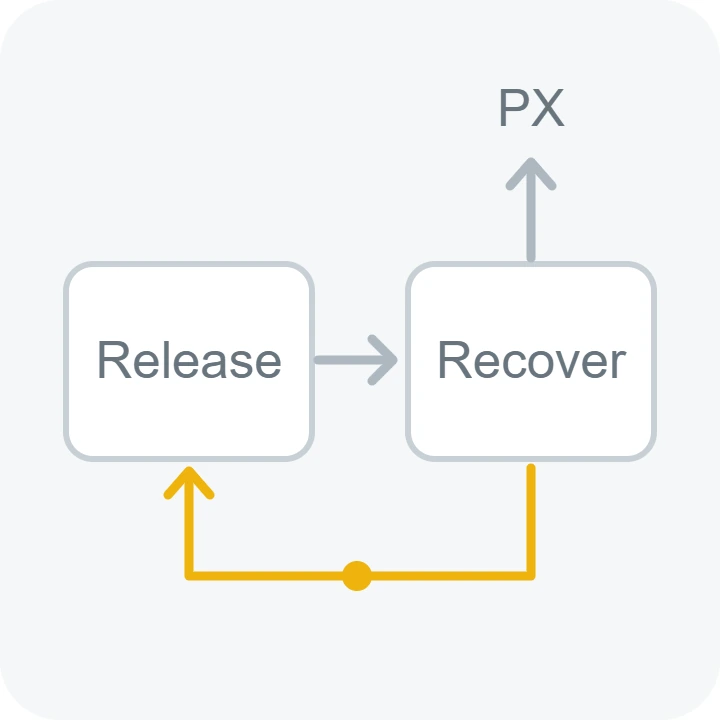
Desorbent circulation supports PX separation but also requires energy for recovery and reuse. Both light- and heavy-desorbent routes must balance this load with purity and recovery targets.
Adsorption Capacity Must Work Within Strength and Flow Limits
Usable capacity depends on pore access and mass transfer under operating conditions. Bead strength, attrition and bed hydraulics must also be managed to maintain flow and limit pressure drop.
Jalon PX Adsorption Solutions
Jalon PX Adsorption Solutions:
Higher PX Recovery. Greater Bed Stability.
Your process needs purity, recovery and workable operating conditions together. JALON combines zeolite design, bead forming and SMB pilot testing to assess these linked needs. We match material selection and testing to your feed, desorbent and process targets.
Stable PX Separation in Extended Testing with Light and Heavy Desorbents
JLPS adsorbents are developed for both light- and heavy-desorbent PX routes. Material selection and application testing are matched to the intended route, feed and operating conditions.
Long-duration testing of both routes maintained PX purity around 99.9% and recovery above 98%, demonstrating stable separation performance over the test period.
In SMB pilot testing, JLPS-100 achieved 99.94% PX purity and 99.38% PX recovery under the same test conditions. The pilot included continuous extract and raffinate fractionation with desorbent recycling, linking separation results with the wider recovery process.
More Active Adsorbent Without Giving Up Bead Strength
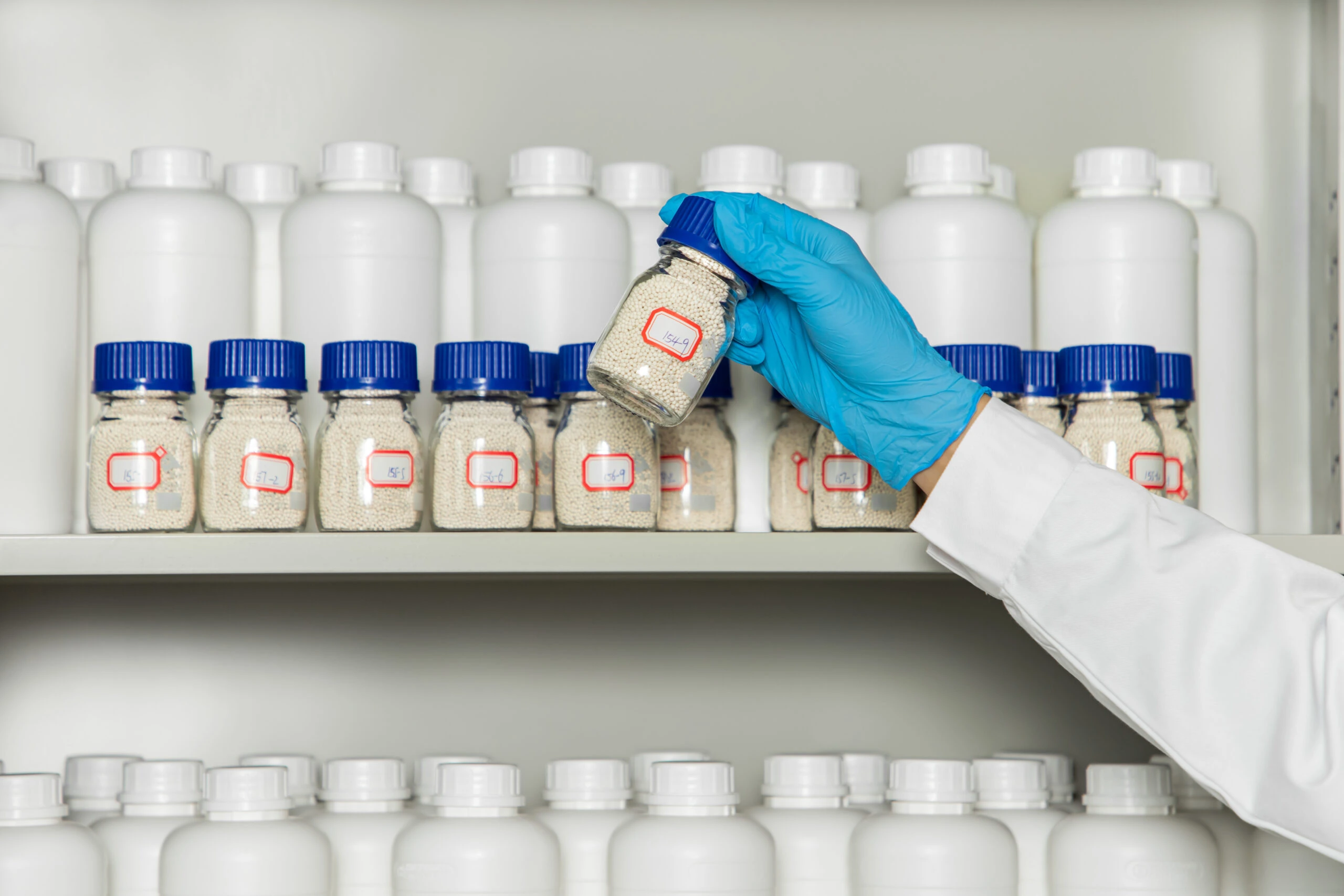
Our zeolite powder research studies crystal size and connected pore channels to support adsorption and diffusion. In-situ crystallization converts inactive binder into active FAU zeolite, increasing the fraction available for adsorption while maintaining mechanical strength. Multistage bead forming and automated production support control of particle size and attrition.
Match Bed Flow and SMB Control to Your Separation Needs
Bed performance also depends on how liquid reaches the adsorbent and moves between operating zones. JALON works with engineering teams on distribution grids, particle-retention structures and valve sequence control. Cold-model testing and CFD analysis help assess flow distribution and reduce the risk of uneven contact.
For greenfield installations, scheduled bed turnarounds and debottlenecking studies, the evaluation scope is defined around the project.
Reliable PX Adsorbent Supply.
Quality You Can Trace.
Your supply needs extend beyond a promising test result. JALON brings manufacturing control, process testing and batch documentation together to support that decision.
0
tonnes
Annual molecular sieve material production capacity
0
Years
Experience in zeolite R&D and manufacturing
0
Specialists
Company-wide research and technical development team
3-Year
Retention
Physical batch samples retained for quality traceability
Controlled Production for Your Supply Requirements.
Controlled synthesis, bead forming and calcination.
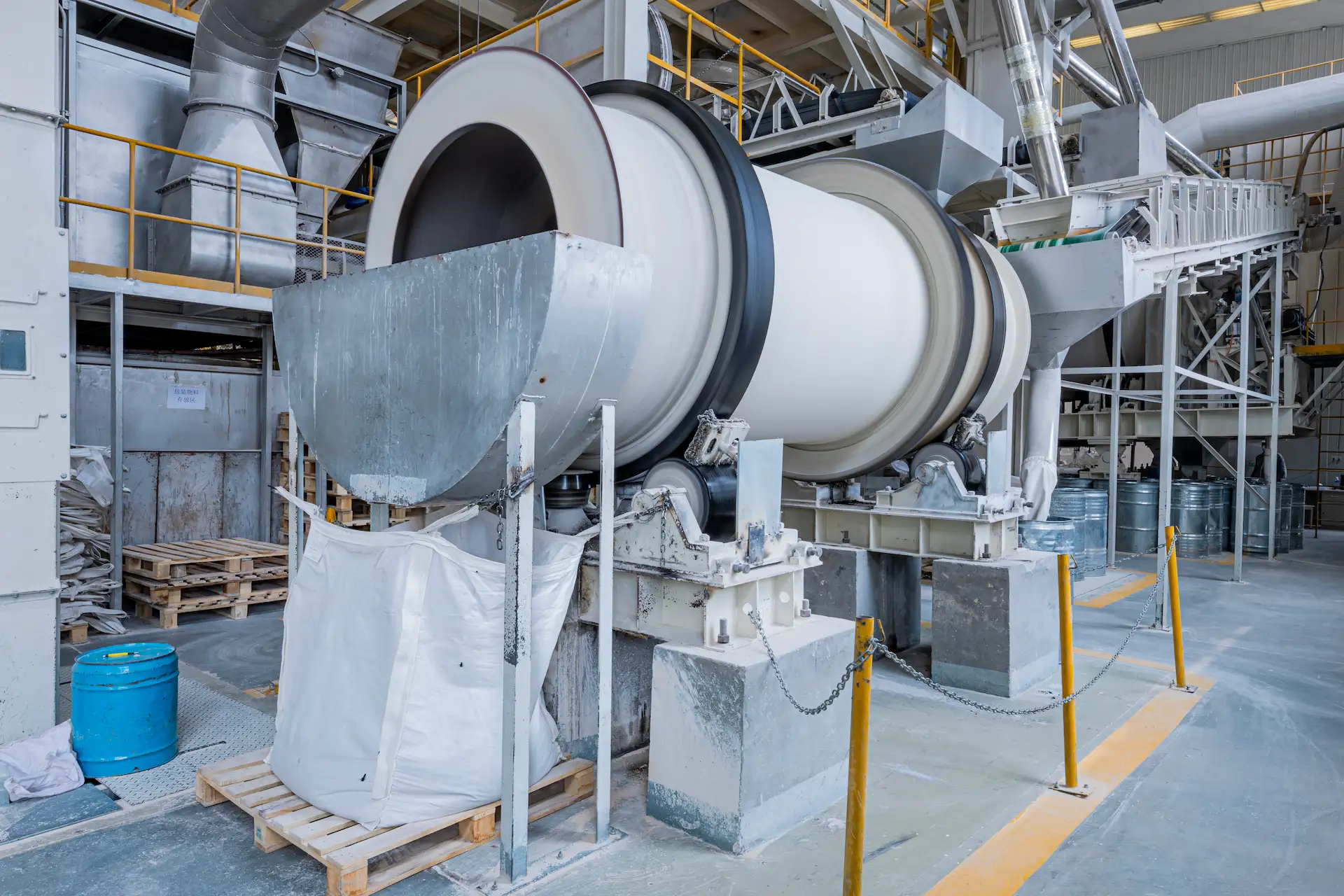
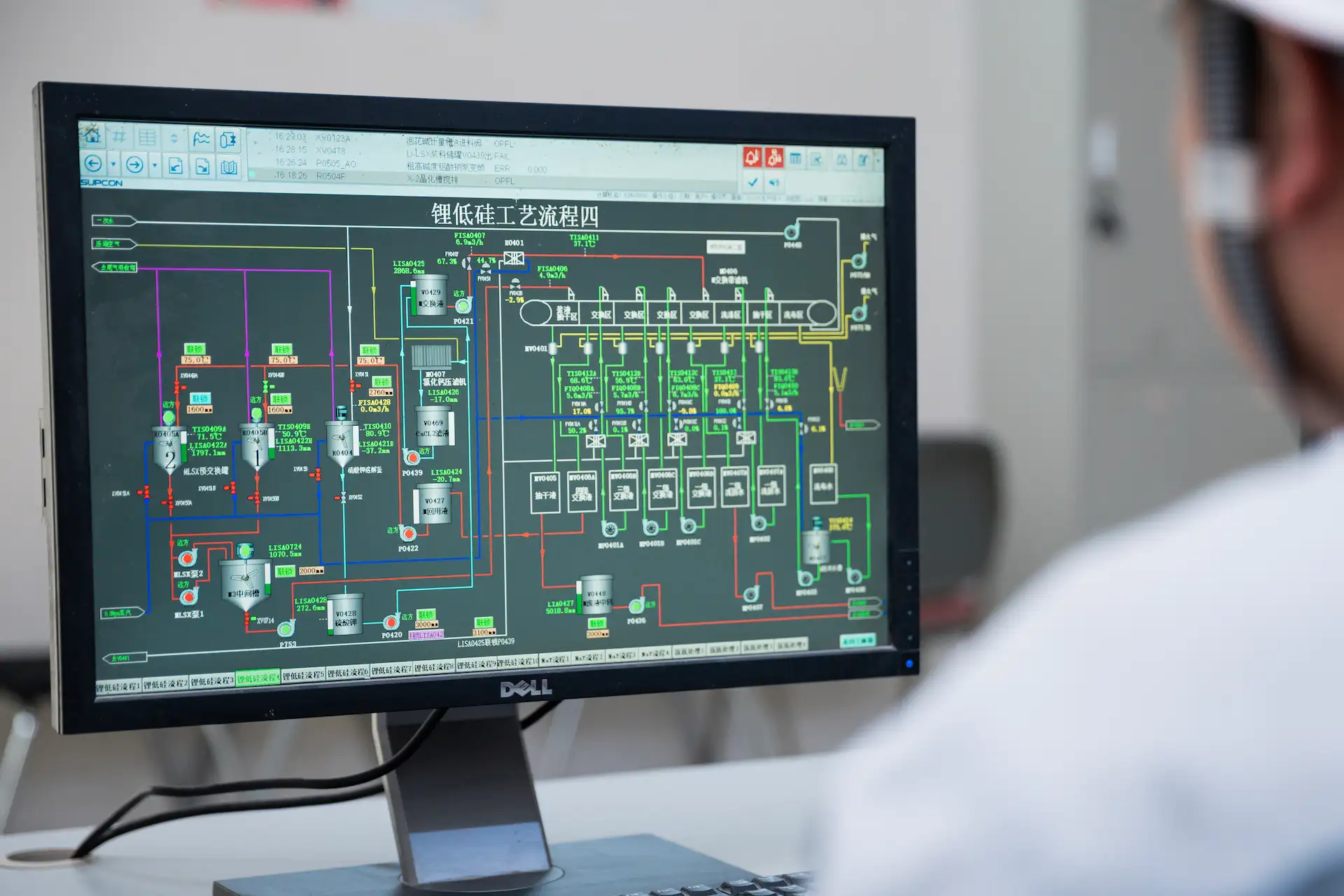
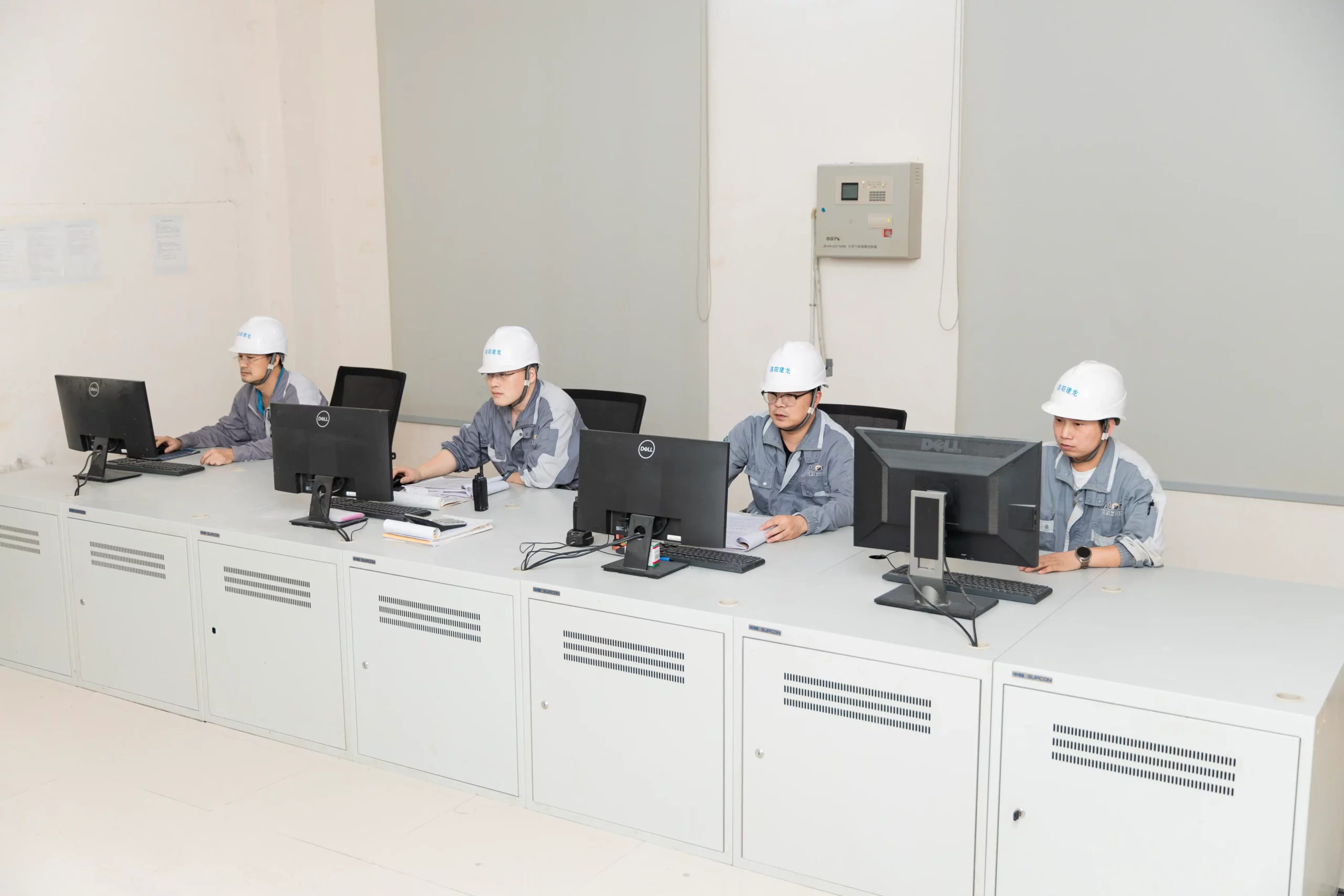
JALON’s manufacturing covers raw zeolite synthesis, spherical bead forming and finished-product calcination. DCS automation and a dedicated aromatics adsorbent line support control of formulation, bulk density and particle size. This gives your team a basis for reviewing material specifications and supply needs before an initial fill or reload.
Material Evaluation for Your Feed and Desorbent
24-column SMB pilot testing across six ratio combinations.
Zeolite synthesis, ion-exchange modification and bead forming provide the technical base for material development. Dynamic fixed-bed testing and SMB pilot runs help assess candidate materials for PX separation. Reported JLPS-100 testing used a 24-column SMB pilot system with a 3 L adsorbent charge, evaluating purity and recovery across six combinations of adsorbent-to-feed and desorbent-to-feed ratios. The test scope considers your C8 composition, moisture conditions and desorbent system.
Quality Records You Can Review and Trace
200 g retained per batch for three years.
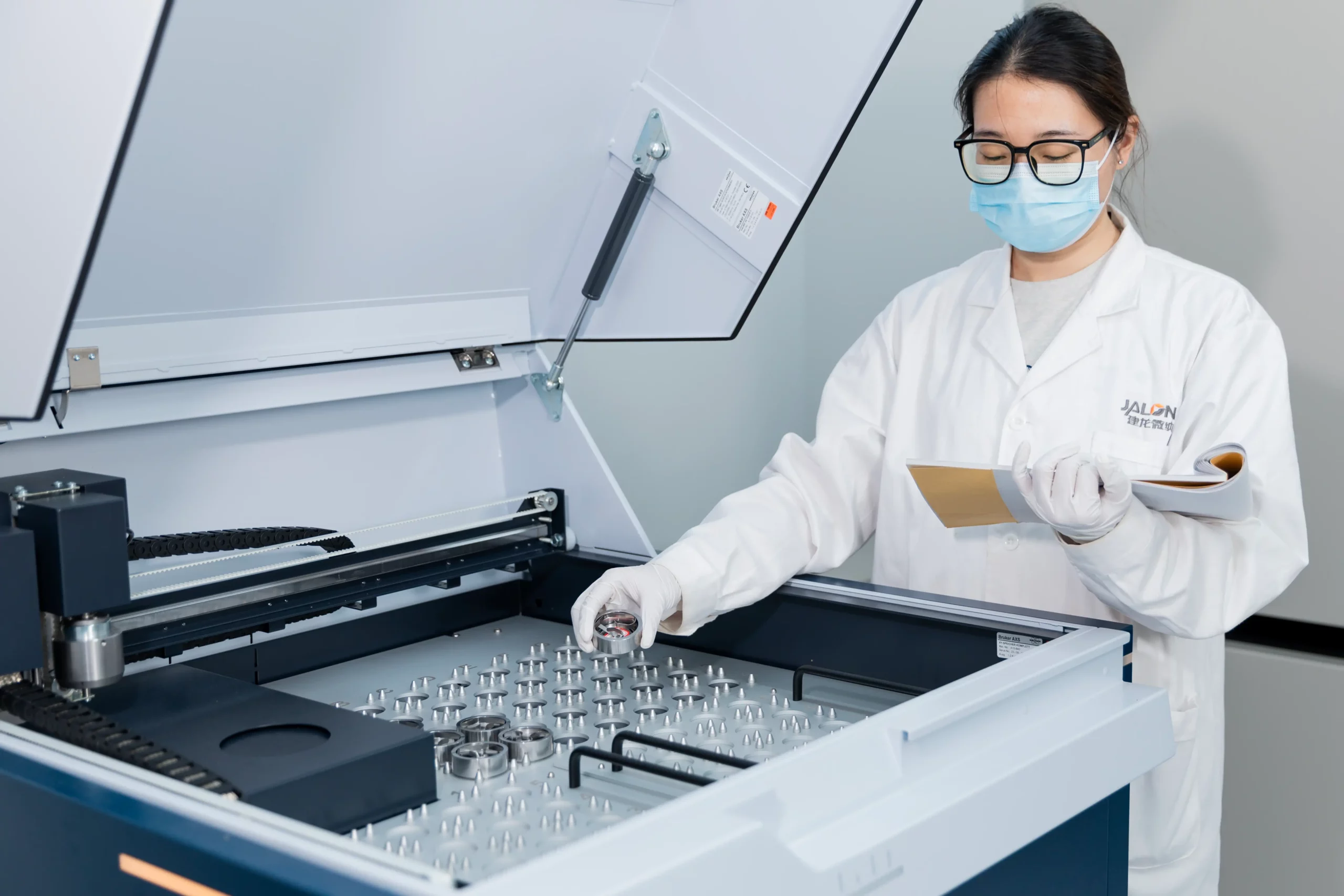
JALON provides quality analysis documentation. Our tests can assess crush strength, attrition, pore structure and trace moisture. Confirm the reported parameters against the agreed inspection specification or certificate of analysis (COA). We retain 200 g samples from each batch for three years, supporting subsequent material checks and batch traceability.
Yes. JLPS materials are developed for light-desorbent routes using toluene and heavy-desorbent routes such as PDEB. Selection depends on your feed, operating conditions and recovery system. Changing the desorbent route requires a process and equipment review; it is not simply a material swap.
The proportions of PX, other xylene isomers and ethylbenzene affect the separation requirements. Moisture can change adsorption behavior, so a drier feed is not always better. Feed analyses should identify water, non-aromatics, oxygenates, olefins and other relevant impurities. These results help define the material and test conditions for your process.
Evaluation uses conditions representative of the target process. Static characterization and dynamic breakthrough tests assess adsorption capacity and mass transfer. SMB pilot testing evaluates purity and recovery together during cyclic operation at pilot scale. The project defines which tests are needed and how the results will be assessed.
JALON can help evaluate candidate JLPS materials for an existing SMB unit. The review considers feed, desorbent, operating history, particle requirements, internals and hydraulic conditions. Direct replacement suitability and any equipment or process changes must be determined for the specific project.
Service life depends on feed and desorbent quality, moisture control, operating stability and thermal history. Review purity, recovery and pressure drop trends at comparable throughput. Changes may reflect process disturbances as well as material condition. Replacement timing should follow a joint review of operating data and material performance.
Share the project type, design throughput, C8 composition, known impurities, desorbent and operating temperature and pressure. Include PX purity and recovery targets together. For replacement projects, add operating trends and available bed, screen and internals details. Share what is known first; the evaluation can identify any further information needed.
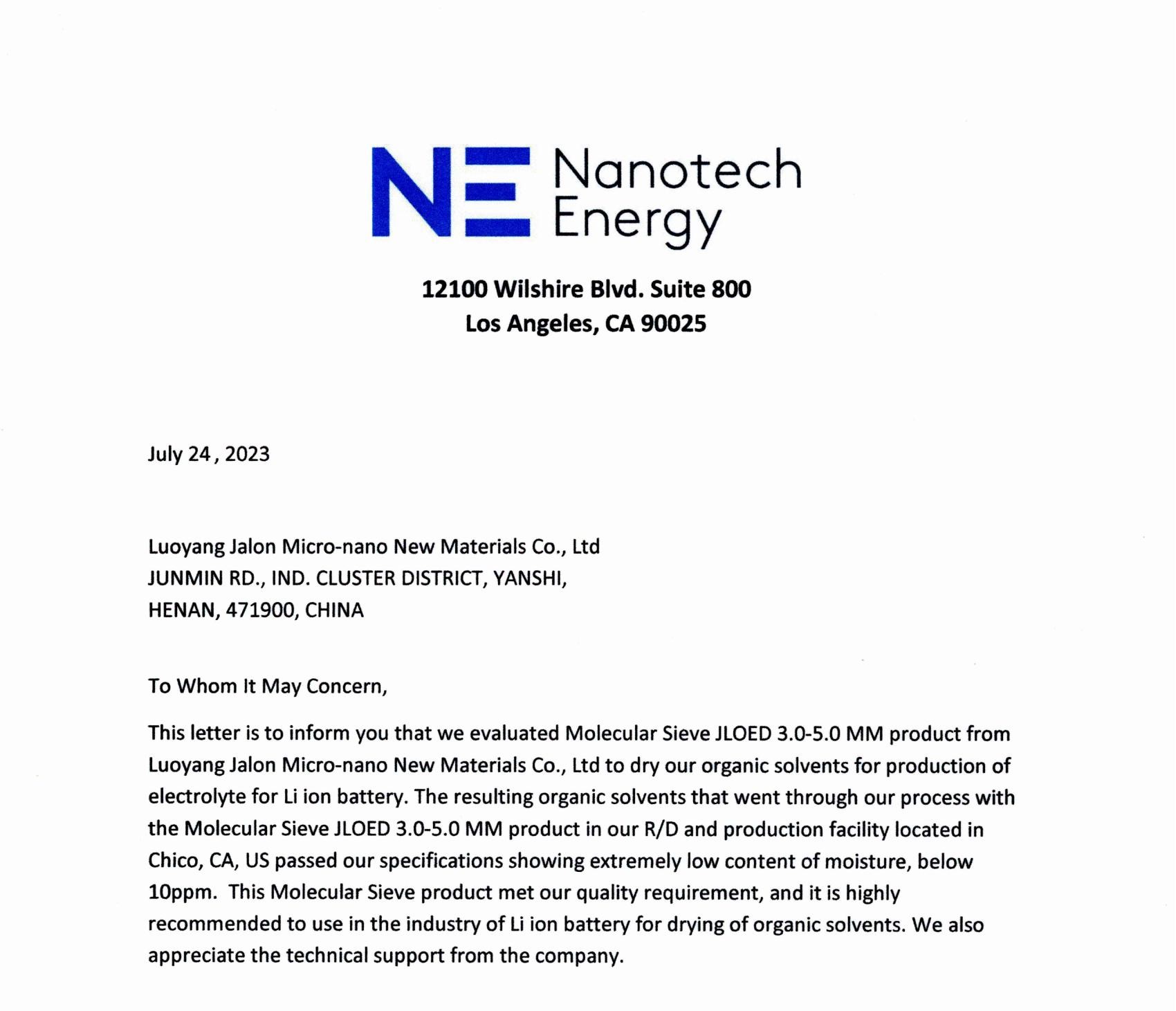
JALON JLOED MOLECULAR SIEVES USED FOR ELECTROLYTE DEHYDRATION
This letter is to inform you that we evaluated Molecular Sieve JLOED 3.0-5.0 MM product from Luoyang Jalon Micro-nano New Materials Co., Ltd to dry our organic solvents for production of electrolyte for Li ion battery. The resulting organic solvents that went through our process with the Molecular Sieve JLOED 3.0-5.0 MM product in our R/D and production facility located in Chico, CA, US passed our specifications showing extremely low content of moisture, below 10ppm. This Molecular Sieve product met our quality requirement, and it is highly recommended for use in the industry of Li ion battery for drying of organic solvents. We also appreciate the technical support from the company.
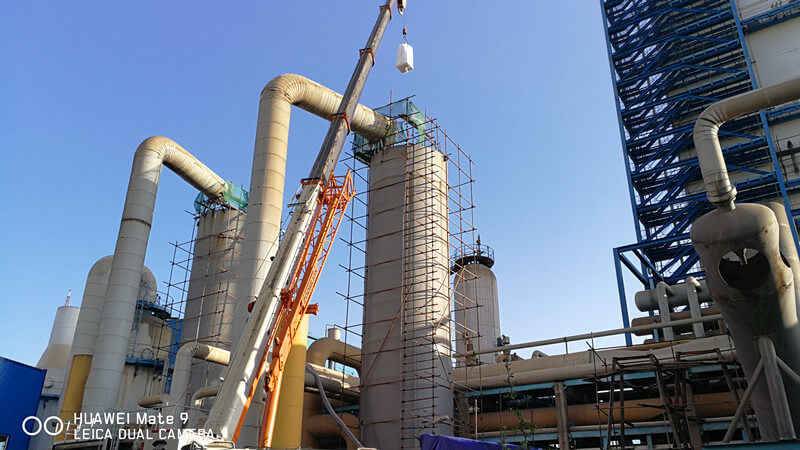
Yuntianhua United Commerce Co., Ltd. 52000 Nm3/Cryogenic air separation unit Project
Luoyang Jalon Micro-nano New Materials Co., Ltd. JLPM series molecular sieves are mainly used for cryogenic drying of general industrial gases. The purification system in the air separation unit removes H2O and CO2, as well as natural gas and other hydrocarbon desulfurization (removal of H2S and mercaptans) and CO2.
It is worth mentioning that Yuntianhua United Commerce Co., Ltd. Company 52000 Nm3/Cryogenic air separation unit project. The design and manufacture method of the air separation unit by air, adsorber adopt vertical radial flow design, processing capacity of 311352 nm3 / h, 5.13 Bar (A) adsorption pressure, loading type my company JLPM3 efficient molecular sieve 92 tons, 107 tons of activated alumina, can ensure that the CO2 content in the air mean 1000 parts per million (2000 PPM) instantaneous equipment and stable operation, export CO2 molecular sieve < 0.1 PPM.
The fifth-generation high-performance molecular sieve JLPM1 is an advanced molecular sieve used in the pre-purification unit (APPU) of air separation equipment. Compared with previous generations, the fifth-generation high-performance molecular sieve JLPM1 has significantly improved CO2 adsorption capacity; the fifth-generation high-performance molecular sieve JLPM1 will bring multiple benefits to air separation designers and operators. For the design of the new air separation plant, the application of the fifth-generation high-performance molecular sieve JLPM1 can make the air separation occupy a smaller area, thereby reducing equipment investment and operating costs. The fifth-generation high-performance molecular sieve JLPM1 can also be used for the transformation of old equipment, which can reduce energy consumption or improveair separation processing capacity.
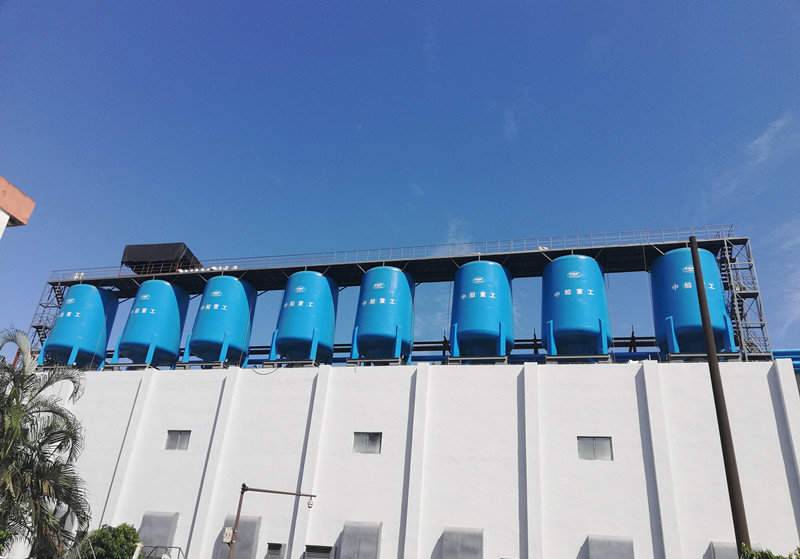
Zhuhai Yueyufeng Iron and Steel Co., Ltd. 30000Nm3/h pressure swing adsorption (VPSA) oxygen production project
Oxygen molecular sieve is an important material to ensure the work of VPSA oxygen production equipment. This project is another successful case of our JLOX-103 lithium-type high-efficiency oxygen molecular sieve.
The 30000Nm3/h pressure swing adsorption (VPSA) oxygen production project of Zhuhai Yueyufeng Iron and Steel Co., Ltd., designed and built by CSSC Huanggang Precious Metals Co., Ltd., was successfully started up on June 27, 2019. As of May 29, 2020, the device has been operating stably for 11 months, and all indicators are better than the design indicators. It has been highly recognized and praised by customers, and has created a cumulative effect of 150 million yuan per year for the enterprise. At the same time, the project has realized intelligent oxygen production, mobile control and remote monitoring to guide production, helping to realize the green and intelligent promotion of the industry.
The project uses 4 sets of pressure swing adsorption (VPSA) oxygen generators in parallel. The single set of device is designed to produce 7500Nm3/h of oxygen and 80% oxygen purity. It is filled with our company (Luoyang Jalon Micro Nano New Materials Co., Ltd.) JLOX-103 lithium-type high-efficiency oxygen molecular sieve is 68 tons, the actual oxygen output reaches 7650Nm3/h, and the oxygen concentration is above 82.3%. The 4 sets of equipment in this project are filled with 272 tons of our JLOX-103 oxygen molecular sieve, with a total oxygen production of more than 30000Nm3/h.
Oxygen molecular sieve is an important material to ensure the operation of VPSA oxygen production equipment. This project is another successful case of our company’s JLOX-103 lithium-type high-efficiency oxygen molecular sieve.
Luoyang Jalon Micro-nano New Materials Co., Ltd. JLOX-100 series high-efficiency oxygen generation molecular sieve is a lithium X-type aluminosilicate crystal, which is an oxygen generation molecular sieve with international advanced level. Widely used in: iron and steel, non-ferrous metallurgy, chemical industry, furnace energy-saving transformation, environmental protection, papermaking, aquaculture, medical care and other industries.


 EN
 DE
 ES
 JA
 RU
 PT
 FR
 AR
 KO
 TH
 ID