
3A takes up water while limiting uptake of larger olefins at the crystal pore. Protection grades address challenging inlet exposure.
A few ppm of water in cracked gas can cause hydrate or ice formation in the cold section. Trace oxygenates, CO₂ or sulfur compounds can push product off spec or affect sensitive Ziegler–Natta and metallocene catalysts.
JALON makes molecular sieves and adsorbents to remove these impurities, with material selection matched to your feed, outlet targets and planned cycle.
Molecular sieve manufacturer
Listed adsorbent maker in China
Available for material review
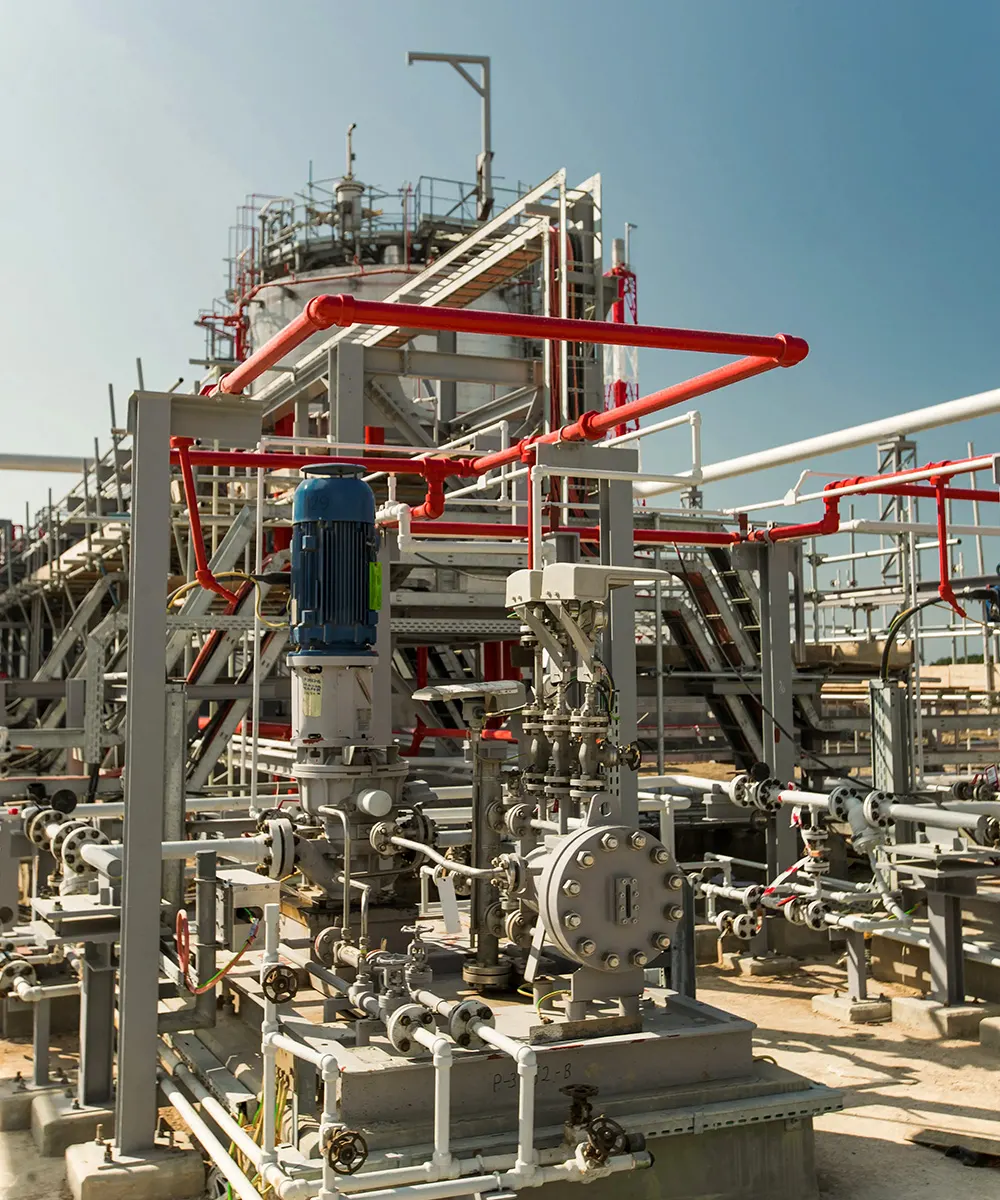
Across different plant configurations, cracked gas, product streams and polymer feed each have their own impurity and outlet limits.
Residual water in cracked gas upstream of the cold section
Keep moisture below the cold-section limit to avoid hydrates or ice.
3A takes up water while limiting uptake of larger olefins at the crystal pore. Protection grades address challenging inlet exposure.
Residual water, oxygenates, CO₂ or sulfur compounds
Meet the individual impurity limits in the product specification.
The treatment material follows the measured contaminant; drying alone does not establish oxygenate purity.
Trace water, oxygenates, CO₂ or sulfur entering the reactor
Meet the catalyst supplier’s limits before impurities affect activity or polymer quality.
A saleable monomer stream may still need further purification before polymerization.
Moisture, oxygenates, CO₂ and sulfur compounds place different demands on an olefin purification bed. JALON offers molecular sieves, activated alumina and duty-specific grades to address these removal needs, from selective drying to catalyst-feed polishing.
Material
Main olefin duty
Type / pore
Static adsorption
Crush strength
Sizes
3A Molecular Sieve
Selective olefin drying
Type A, ~3 Å
H₂O ≥21.5 wt%
RH 75%, 25 ℃
≥35 N (1.6–2.5 mm)
≥100 N (3.0–5.0 mm)
Bead 1.6–2.5, 3.0–5.0 mm
Pellet 1/16″, 1/8″
13X Molecular Sieve
Oxygenates, catalyst protection
Type X, ~9 Å
H₂O ≥26.5 wt%
RH 75%, 25 ℃
CO₂ ≥18.5 wt%
250 mmHg, 25 ℃
≥30 N (1.6–2.5 mm)
≥85 N (3–5 mm)
Bead 1.6–2.5, 3–5 mm
Pellet 1/16″, 1/8″
JLAZ-2
Oxygenates and CO₂ in light olefins
Alumina–molecular sieve composite, 440 ± 30 m²/g
H₂O ≥22 wt%
RH 60%, 25 ℃
≥23 N
Bead 1.6–2.5 mm
JLAA Activated Alumina
Gas- and liquid-phase drying
Activated alumina
H₂O ≥17 wt%
RH 60%, 25 ℃
≥25 N (1.0–2.2 mm) to ≥280 N (8.0–10.0 mm)
7 grades, 1.0–10.0 mm
JLOP Series
Dehydration, oxygenates, CO₂, sulfur or bed protection
Separate grades by duty
Grade-specific data on request
3А Molecular Sieve
13X Molecular Sieve
JLAZ Series
JLAA Activated Alumina
Static H₂O and CO₂ capacities and crush strength show how a material performs in defined tests. A real olefin bed can still reach its outlet limit before the planned changeover. What matters is usable working capacity under your feed—and which controlled impurity approaches its limit first.
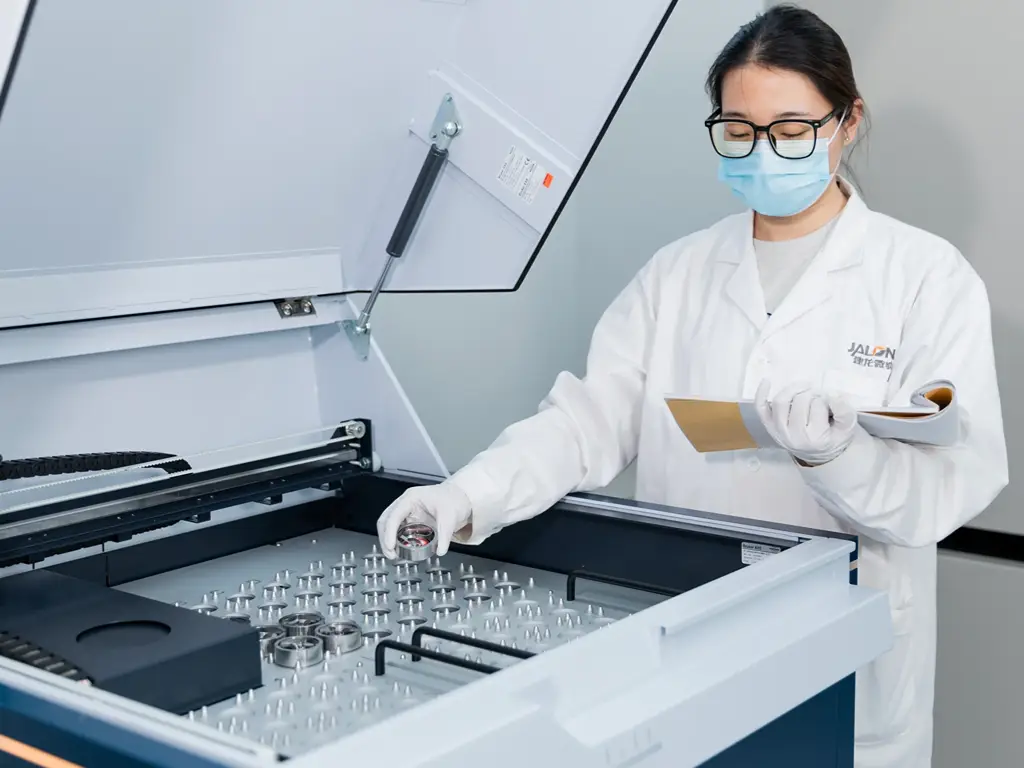
Average feed analyses can miss water spikes, oxygenate swings or liquid carryover. At the actual flow, temperature and pressure, these events increase the load on the bed.
Competing impurities do not move through a bed at the same rate. One can reach its outlet limit while other capacity remains unused.
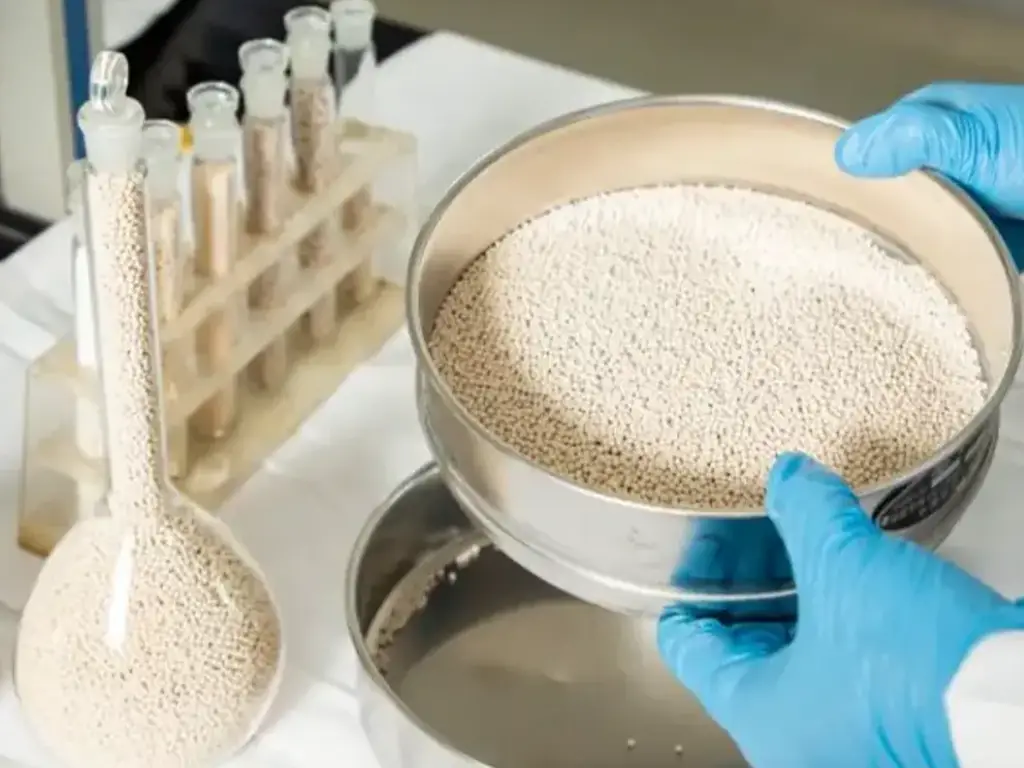
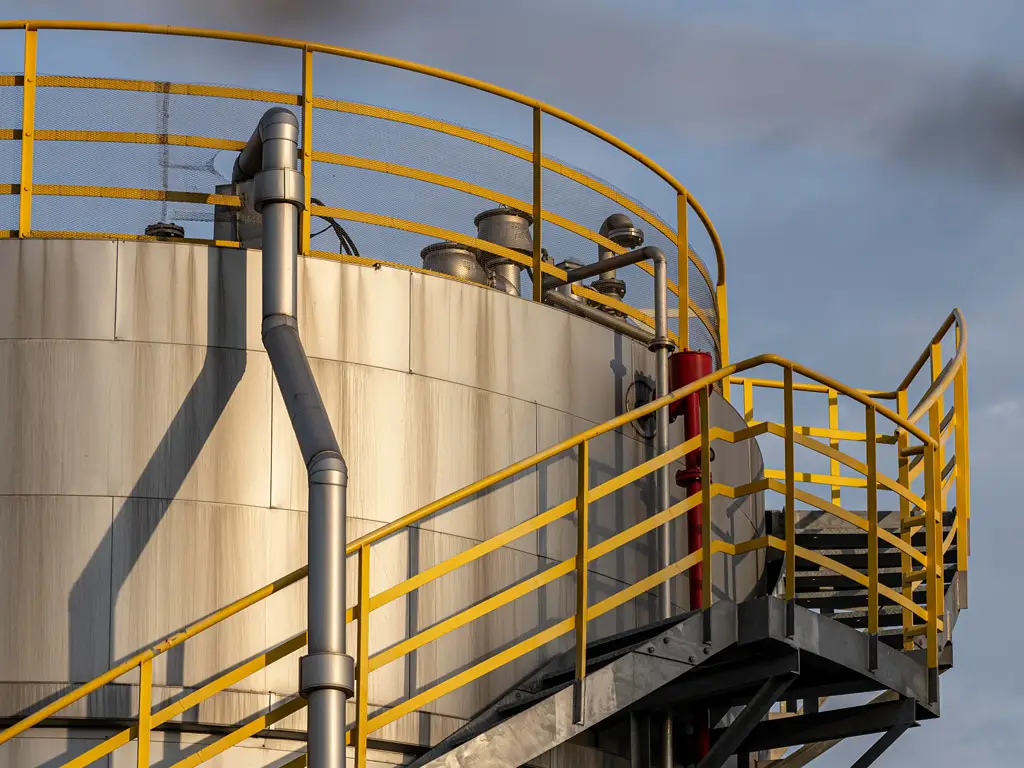
Incomplete regeneration leaves less working capacity for the next run. Particle size and pressure drop also constrain the bed; excessive heat can promote deposits in olefin service.
01
Candidate grades matched to the target impurity and bed constraints.
Material samples and measured data for your evaluation.
Technical guidance for handling, loading and activating the selected adsorbent.
Documented batch results, with a 200 g reference sample retained for three years.
Its approximately 3À crystal openings admit water while excluding the larger olefin molecules. This limits crystal-pore uptake of valuable ethylene or propylene. A larger-pore material such as 4A has a different co-adsorption profile, so its suitability must be checked for the actual stream.
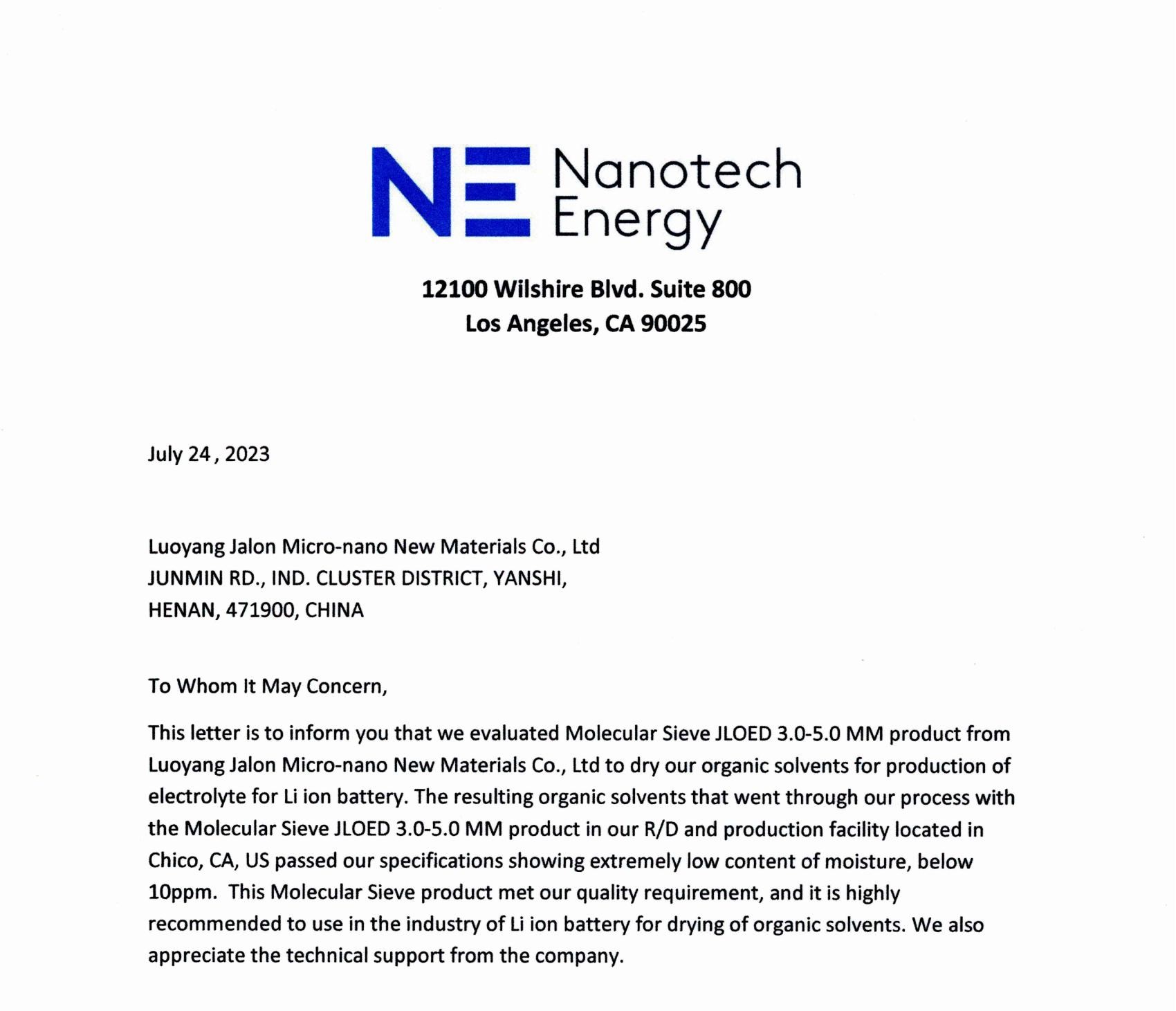
This letter is to inform you that we evaluated Molecular Sieve JLOED 3.0-5.0 MM product from Luoyang Jalon Micro-nano New Materials Co., Ltd to dry our organic solvents for production of electrolyte for Li ion battery. The resulting organic solvents that went through our process with the Molecular Sieve JLOED 3.0-5.0 MM product in our R/D and production facility located in Chico, CA, US passed our specifications showing extremely low content of moisture, below 10ppm. This Molecular Sieve product met our quality requirement, and it is highly recommended for use in the industry of Li ion battery for drying of organic solvents. We also appreciate the technical support from the company.
Nanotech Energy
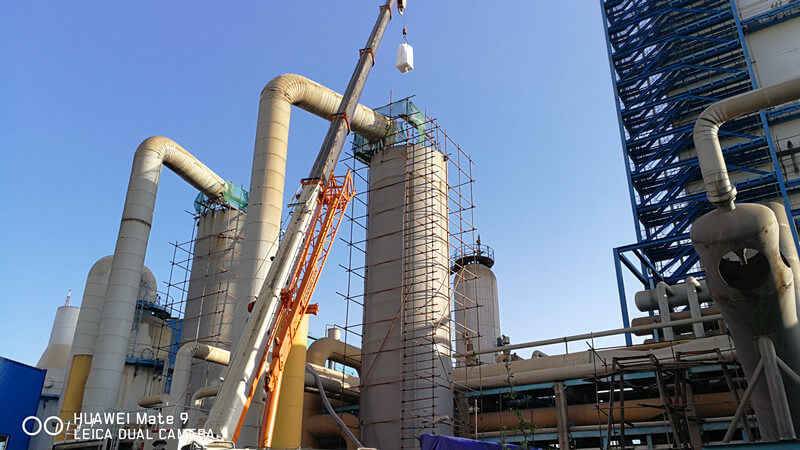
Luoyang Jalon Micro-nano New Materials Co., Ltd. JLPM series molecular sieves are mainly used for cryogenic drying of general industrial gases. The purification system in the air separation unit removes H2O and CO2, as well as natural gas and other hydrocarbon desulfurization (removal of H2S and mercaptans) and CO2.
It is worth mentioning that Yuntianhua United Commerce Co., Ltd. Company 52000 Nm3/Cryogenic air separation unit project. The design and manufacture method of the air separation unit by air, adsorber adopt vertical radial flow design, processing capacity of 311352 nm3 / h, 5.13 Bar (A) adsorption pressure, loading type my company JLPM3 efficient molecular sieve 92 tons, 107 tons of activated alumina, can ensure that the CO2 content in the air mean 1000 parts per million (2000 PPM) instantaneous equipment and stable operation, export CO2 molecular sieve < 0.1 PPM.
The fifth-generation high-performance molecular sieve JLPM1 is an advanced molecular sieve used in the pre-purification unit (APPU) of air separation equipment. Compared with previous generations, the fifth-generation high-performance molecular sieve JLPM1 has significantly improved CO2 adsorption capacity; the fifth-generation high-performance molecular sieve JLPM1 will bring multiple benefits to air separation designers and operators. For the design of the new air separation plant, the application of the fifth-generation high-performance molecular sieve JLPM1 can make the air separation occupy a smaller area, thereby reducing equipment investment and operating costs. The fifth-generation high-performance molecular sieve JLPM1 can also be used for the transformation of old equipment, which can reduce energy consumption or improveair separation processing capacity.
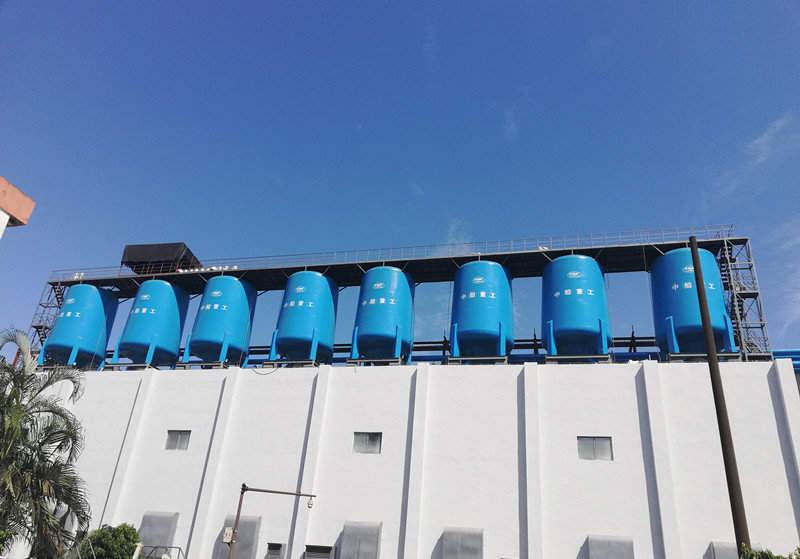
Oxygen molecular sieve is an important material to ensure the work of VPSA oxygen production equipment. This project is another successful case of our JLOX-103 lithium-type high-efficiency oxygen molecular sieve.
The 30000Nm3/h pressure swing adsorption (VPSA) oxygen production project of Zhuhai Yueyufeng Iron and Steel Co., Ltd., designed and built by CSSC Huanggang Precious Metals Co., Ltd., was successfully started up on June 27, 2019. As of May 29, 2020, the device has been operating stably for 11 months, and all indicators are better than the design indicators. It has been highly recognized and praised by customers, and has created a cumulative effect of 150 million yuan per year for the enterprise. At the same time, the project has realized intelligent oxygen production, mobile control and remote monitoring to guide production, helping to realize the green and intelligent promotion of the industry.
The project uses 4 sets of pressure swing adsorption (VPSA) oxygen generators in parallel. The single set of device is designed to produce 7500Nm3/h of oxygen and 80% oxygen purity. It is filled with our company (Luoyang Jalon Micro Nano New Materials Co., Ltd.) JLOX-103 lithium-type high-efficiency oxygen molecular sieve is 68 tons, the actual oxygen output reaches 7650Nm3/h, and the oxygen concentration is above 82.3%. The 4 sets of equipment in this project are filled with 272 tons of our JLOX-103 oxygen molecular sieve, with a total oxygen production of more than 30000Nm3/h.
Oxygen molecular sieve is an important material to ensure the operation of VPSA oxygen production equipment. This project is another successful case of our company’s JLOX-103 lithium-type high-efficiency oxygen molecular sieve.
Luoyang Jalon Micro-nano New Materials Co., Ltd. JLOX-100 series high-efficiency oxygen generation molecular sieve is a lithium X-type aluminosilicate crystal, which is an oxygen generation molecular sieve with international advanced level. Widely used in: iron and steel, non-ferrous metallurgy, chemical industry, furnace energy-saving transformation, environmental protection, papermaking, aquaculture, medical care and other industries.
 EN
EN  DE
DE  ES
ES  JA
JA  RU
RU  PT
PT  FR
FR  AR
AR  KO
KO  TH
TH  ID
ID