Why we focus on SAF Isomerization Catalyst?
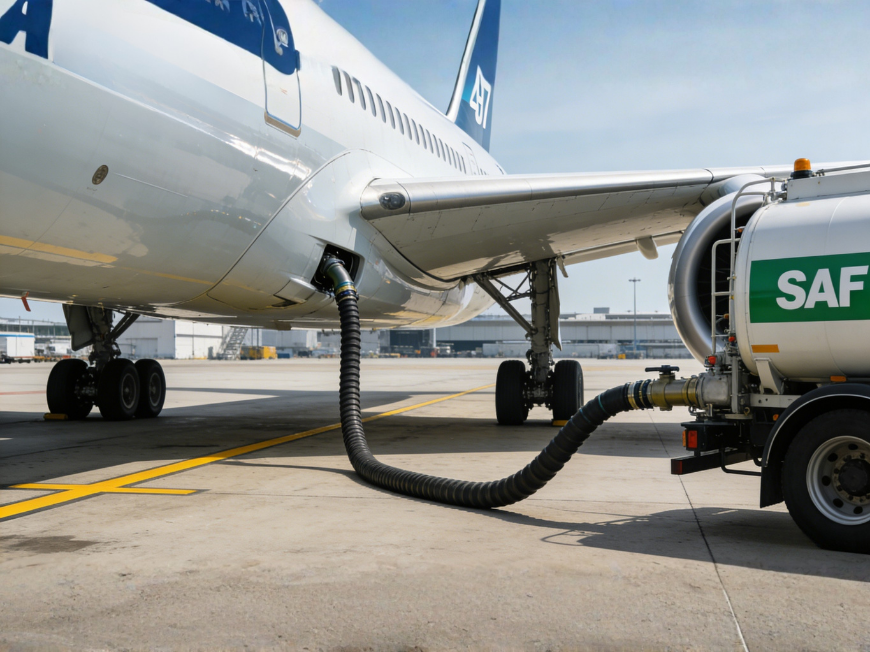
Sustainable Aviation Fuel (SAF) is a renewable alternative to conventional jet fuel produced from waste oils, vegetable oils, and other renewable feedstocks. It reduces lifecycle carbon emissions while remaining fully compatible with existing aviation fuel systems.
In SAF production, renewable feedstocks are converted into hydrocarbon intermediates. These molecules, however, do not naturally meet aviation fuel performance requirements, particularly under low-temperature conditions.
To comply with aviation fuel specifications, a dedicated SAF isomerization process is necessary. During this step, straight-chain hydrocarbons are converted into branched molecules, which improves low-temperature flow properties and overall fuel performance.
Molecular sieve–based materials play a decisive role in this stage. They create a controlled reaction environment through their pore structure and active sites, directing the selective rearrangement of straight-chain hydrocarbons while suppressing undesired reactions.



 EN
EN  DE
DE  ES
ES  JA
JA  RU
RU  PT
PT  FR
FR