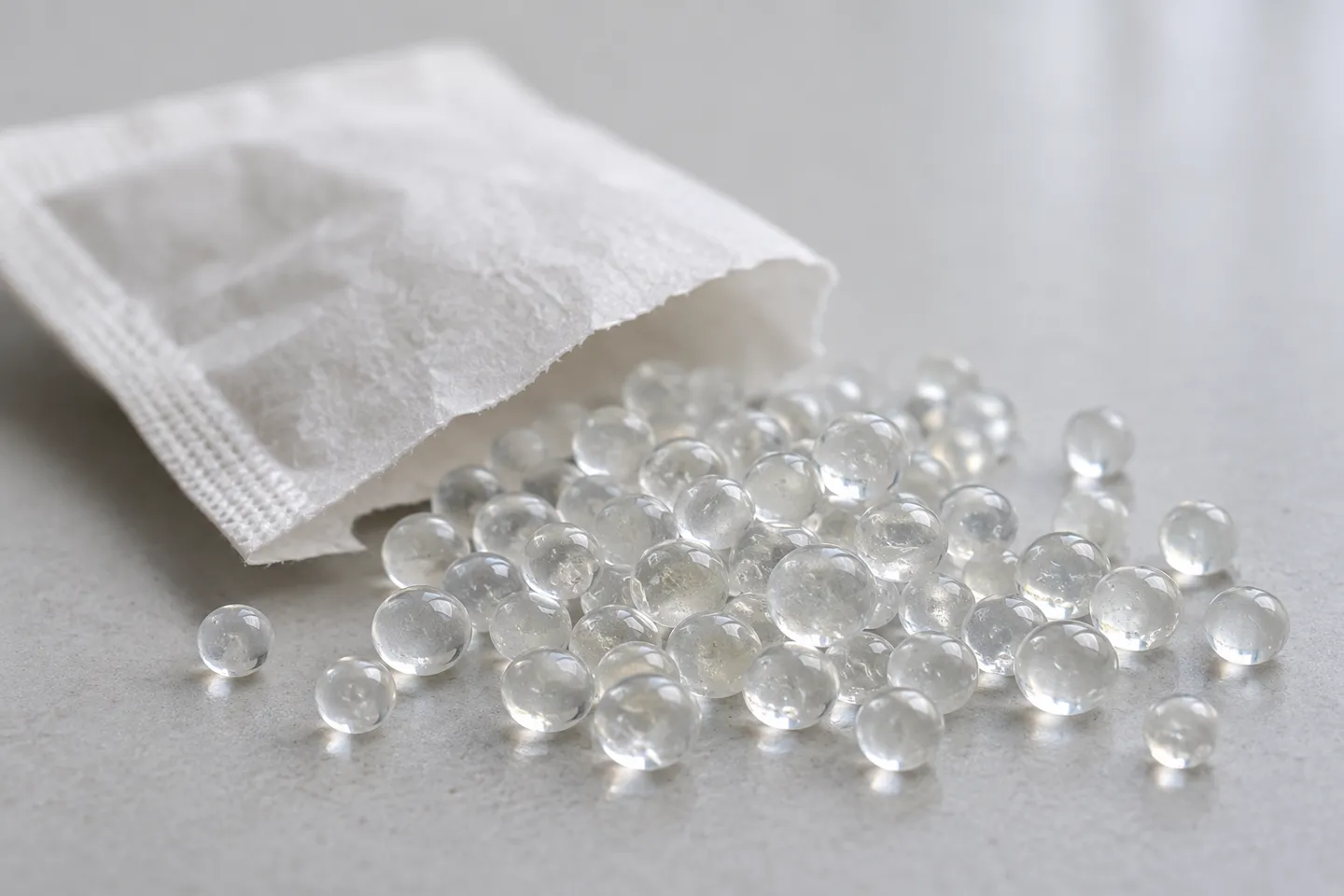
How do desiccants work? They take up water vapor from the surrounding air, lowering its humidity. Most solid drying media hold water on internal pore surfaces. Other desiccants, such as calcium chloride, take up enough water to form a liquid solution. The amount they remove depends on the material, temperature, humidity and how much moisture enters the system.
The sachet inside a vitamin bottle and the molecular sieve bed inside an industrial air dryer serve the same purpose. A sachet manages the small moisture load inside a package. An industrial bed continuously removes moisture from a flowing gas until the bed needs regeneration or replacement. In an insulated glass unit, spacer desiccant takes up residual moisture and moisture that enters through the edge seal over time.
Silica gel, activated alumina and molecular sieves work by adsorption. Water molecules travel into the pores and accumulate on their internal surfaces. Absorption involves uptake into the bulk of another phase. Porous solids can pack a large internal surface area into a small volume. For reusable grades, suitable heat, dry purge gas or vacuum can help remove adsorbed water and restore part of the working capacity.
A packet works best in a well-sealed package because it can manage the moisture already inside and the limited amount that enters later. An open packet keeps taking up water from the room until its loading approaches equilibrium with the surrounding air. Industrial dryers handle a continuing moisture load by passing gas through a sized bed and regenerating or changing the media before the outlet exceeds its limit.
This guide covers the drying media themselves, from silica gel and clay sachets to industrial molecular sieves and activated alumina. For the equipment cycle, see the guide to the desiccant air dryer working principle.
How Do Desiccants Work in a Sealed Package?
Water moves between the air, the desiccant and any moisture-sensitive material inside a package. A dry sachet takes up vapor from the headspace first. Moisture can then migrate out of packaging components or the product itself until the system approaches equilibrium. This is why two packages with the same headspace volume may need different quantities of desiccant. A paper insert, for example, can bring its own moisture into the package.
The moisture load over a shipment also includes the vapor that passes through the packaging material and its seals. The rate depends on the barrier material, surface area, humidity and temperature. A higher-barrier pouch or better seal can reduce the amount of desiccant needed. A bag that is opened repeatedly takes in fresh humid air each time, so its moisture budget differs from one that stays sealed for the entire trip.
When sizing a sachet, start with the highest humidity the product can tolerate and the time it must stay below that limit. Estimate the moisture already inside and the expected ingress over that period. Use the medium’s uptake at the target humidity and expected temperature, then check the complete package under representative conditions. A small humidity indicator can help during a trial if its response range matches the limit being tested.
Temperature changes also matter during transport. If the air or a surface cools enough for condensation to form, the package may show droplets even though its average humidity was acceptable under warmer conditions. Evaluate the coldest likely conditions and check where condensation would damage the product.
The Main Types: Same Job, Different Mechanisms
Pore structure, surface chemistry and operating conditions determine which desiccant fits an application. For a broader look at desiccant types and uses, see our overview.
Gel de silice is a porous amorphous form of silicon dioxide. Its uptake generally increases as relative humidity rises at a given temperature. Pore size and water capacity vary by grade. Silica gel is a common choice for sealed packaging, and some grades include a moisture indicator. Follow the supplier’s reactivation instructions for the specific media, indicator and packaging.
Tamis moléculaires used for drying are commonly crystalline aluminosilicates with well-defined pore openings. 3A, 4A and 5A have nominal apertures of about 3, 4 and 5 Å, respectively. Type 3A selectively removes water from ethanol because ethanol is largely excluded from its micropores. Type 4A is used in selected gas dehydration services, and 5A can distinguish straight-chain from branched paraffins. Type 13X has a FAU framework with windows of approximately 7.4 Å in the idealized structure, distinct from the larger internal cages. 13X can remove both water and CO₂ in properly designed cryogenic air pre-purification systems. Pore access and adsorption affinity both matter when selecting a grade.
Alumine activée is a porous form of aluminum oxide. Formed grades are widely used in industrial gas drying and can handle a substantial vapor load. In some layered beds, activated alumina performs bulk drying ahead of a molecular sieve finishing layer. Check particle strength, water uptake and regeneration requirements for the particular grade.
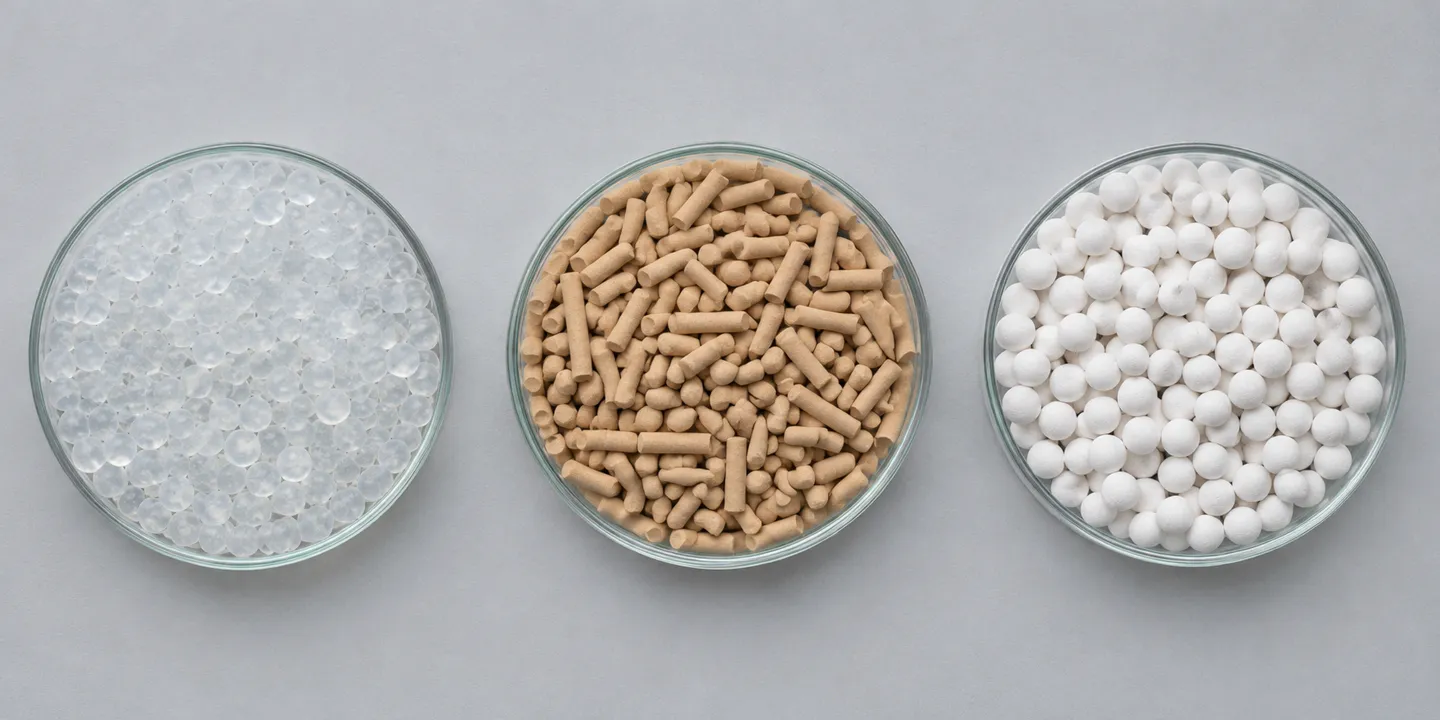
Calcium chloride is deliquescent. It takes up water and forms a brine, so disposable units need a reservoir to contain the liquid. Clay desiccants, commonly based on bentonite rich in montmorillonite, adsorb moisture and are used in packaging and cargo protection. Forms vary too: beads and pellets for packed beds, powders for formulations, and vapor-permeable sachets for packaged goods.
Desiccant types at a glance
| Type | Pore structure | Best conditions | Watch out |
|---|---|---|---|
| Gel de silice | Porous amorphous silica | Packaging and general moisture control | Check uptake at the operating RH and follow grade-specific reactivation instructions |
| Molecular sieve 3A/4A/5A/13X | Crystalline micropores, with openings that vary by framework and cation form | Low humidity, selective drying and deep dew points | Select for the actual feed and protect from liquid and oil carryover |
| Alumine activée | Porous alumina | Industrial gas drying and bulk vapor removal | Check performance at the target outlet moisture |
| Chlorure de calcium | Deliquescent salt | High-humidity applications with a brine reservoir | Replace disposable units as directed |
| Clay | Porous mineral particles | Packaging and cargo protection | Working life depends on humidity, temperature and package leakage |
So when someone asks “silica gel or molecular sieve?”, the question is incomplete. Complete it with conditions, and the comparison turns into engineering. The next section shows why the numbers move.
Capacity Is a Moving Number: Why Conditions Change Everything
An equilibrium capacity figure applies at a stated humidity and temperature. Changing either condition changes how much water the medium can hold. Relative humidity is the fraction of saturation at the measurement temperature, so the same RH at two temperatures represents different water-vapor partial pressures.
Static and Working Capacity
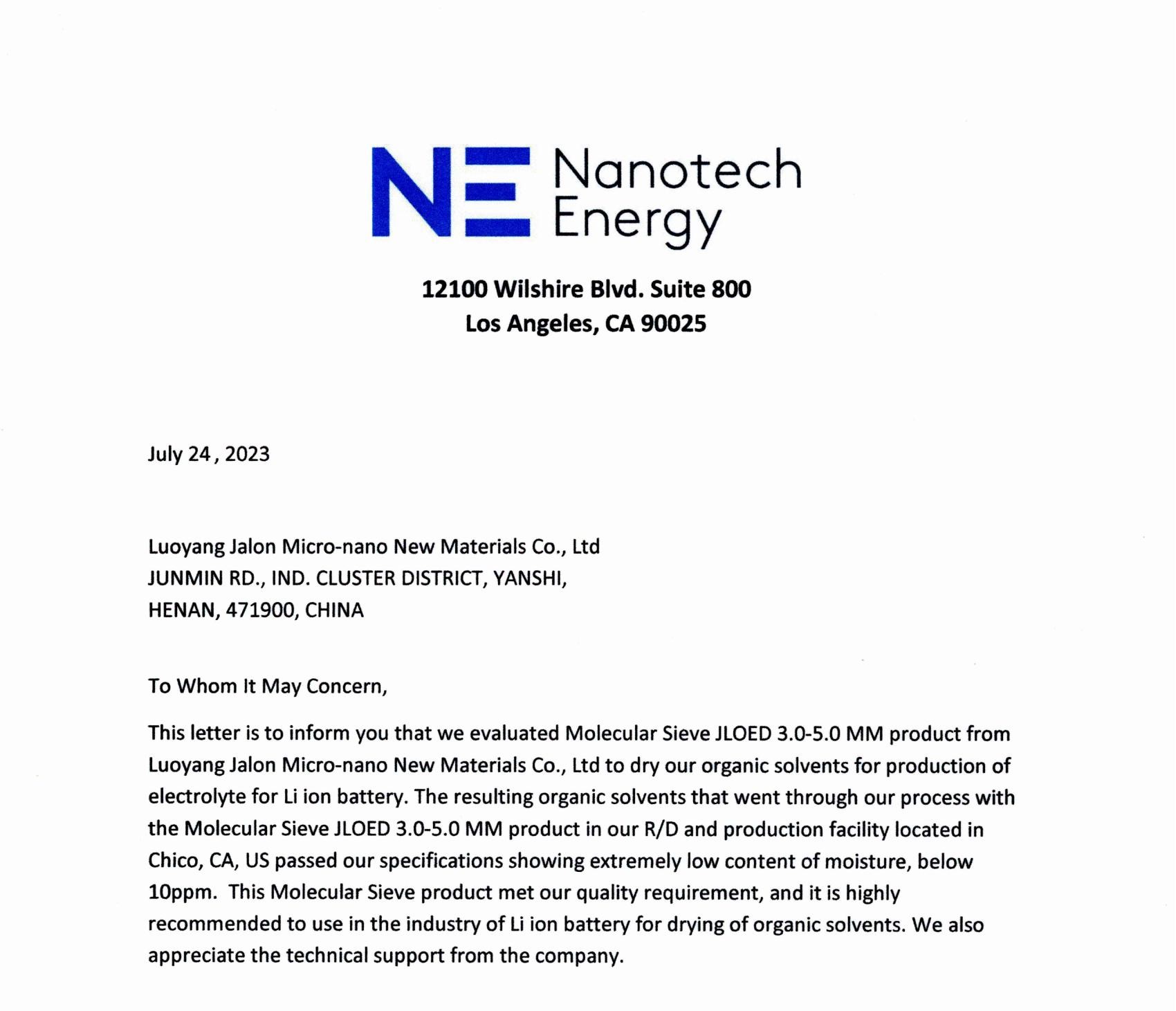
As grade-specific examples, Jalon reports at least 21.5 wt% static water uptake for its activated 3A tamis moléculaire and at least 26.5 wt% for its 13X grade, both at 75% RH and 25 °C. One activated alumina grade is listed at at least 17 wt% at 60% RH and 25 °C. Verify the grade specifications and test basis before ordering. The lower-humidity alumina test does not establish how the three grades rank under identical conditions.
A working bed also sees finite contact time, uneven flow distribution and residual moisture after regeneration. Usable capacity before breakthrough is generally lower than fresh-media equilibrium uptake at the inlet conditions. Ask for dynamic results at representative flow, moisture loading and an agreed outlet limit.
Example static capacities and test conditions
RH-dependent uptake
Silica gel. Compare the grade’s isotherm at your operating temperature.
≥21.5% wt
Jalon 3A, activated sample at 75% RH and 25 °C
≥26.5% wt
Jalon 13X, 75% RH at 25 °C
≥17% wt
Jalon activated alumina example, 60% RH at 25 °C
Working capacity in a real bed depends on the breakthrough limit, contact time and residual moisture after regeneration.
How Breakthrough Affects Working Capacity
In a fresh packed bed, the inlet section sees the wettest gas and begins loading first. Farther downstream, the media still have capacity available. As drying continues, the active adsorption zone moves toward the outlet. Breakthrough occurs when the outlet reaches the moisture limit agreed for the process. Some capacity can remain in the bed at that point, especially when the active zone occupies a large share of the bed depth.
Regeneration determines how much of that capacity is available for the next cycle. A bed that starts with more residual water usually has less room for the incoming moisture load. Higher flow can also shorten the time available for transfer from the gas to the particles. When comparing two materials, request the complete breakthrough curve where available. Confirm the inlet moisture, flow, pressure, temperature and outlet acceptance limit used in the test.
For example, a media supplier may report equilibrium uptake after holding activated beads in a humid test chamber. A plant buyer may need the mass of water removed per cycle before the outlet reaches a low pressure dew point. The first number helps check the delivered grade under a repeatable method. The second helps establish bed size and cycle length for the installation.
What the Outlet Dew Point Tells You
Pressure dew point (PDP) is the temperature at which moisture reaches saturation at the gas pressure being reported. Outlet PDP indicates how dry the stream is. The bed’s static capacity describes a different property.
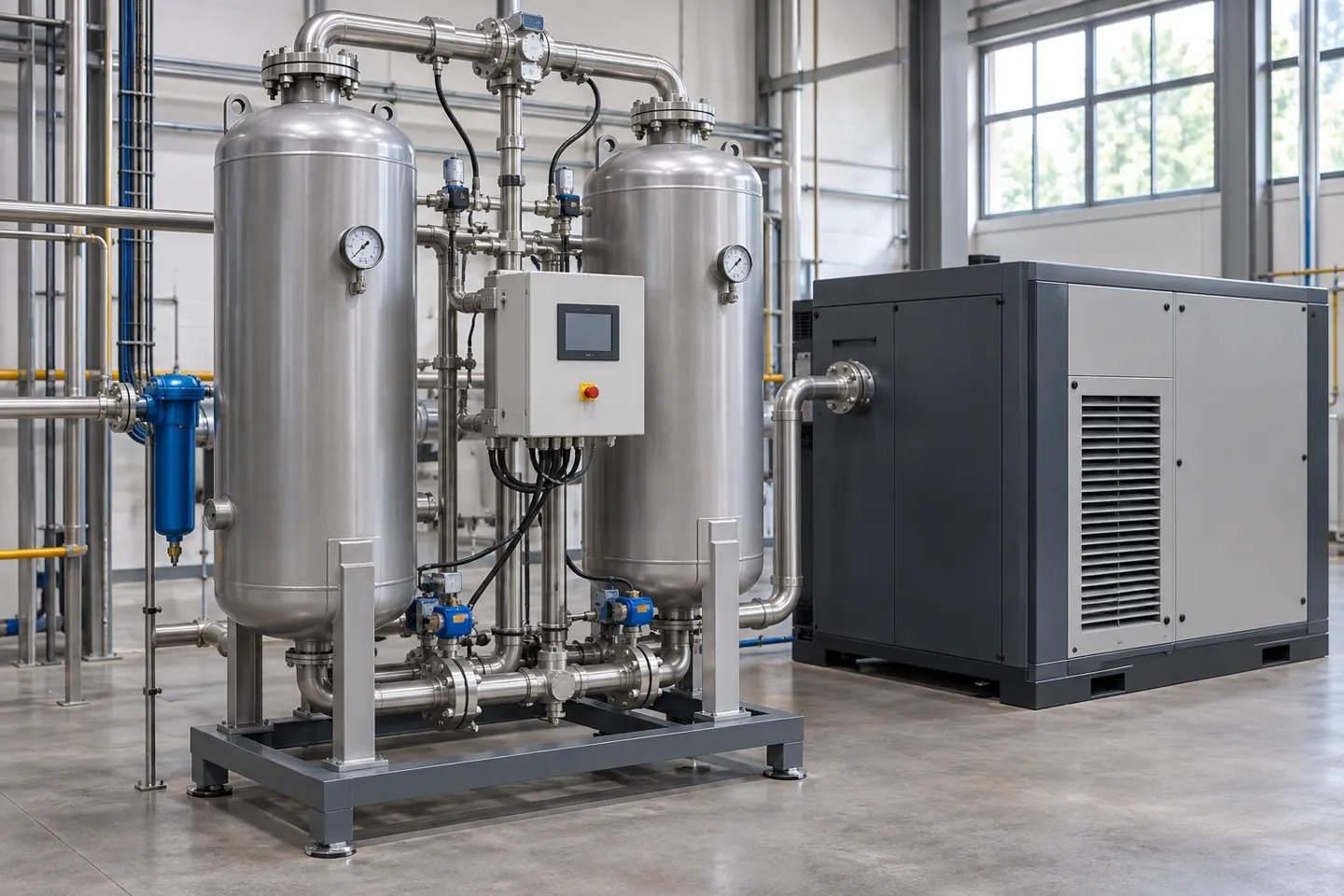
Many regenerative compressed-air dryers are rated for −40 °C pressure dew point, which also equals −40 °F. This is a dryer rating under specified conditions. A material change alone cannot guarantee a lower PDP. Molecular sieve finishing layers are one option for reaching a very low outlet PDP when the bed design, flow and regeneration cycle support it.
At low water-vapor partial pressure, a molecular sieve can retain water strongly enough to polish an already-dried stream.
Compare guaranteed outlet PDP at the required inlet temperature, pressure and flow. A grade’s working capacity also has to match the intended service time between regenerations.
Pressure dew point in practice
Use the required outlet pressure dew point to qualify the complete dryer.
A common regenerative dryer rating under specified test conditions.
Bulk vapor removal
Silica gel or activated alumina can handle much of the load in suitably designed beds.
Very low outlet moisture
Molecular sieve is often used as a final drying layer when deep drying is required.
When Bulk Drying and Final Drying Are Different Duties
At higher relative humidity, some silica gel grades offer substantial water uptake. Material rankings depend on the grades and conditions being compared. Published water adsorption isotherms show how uptake varies with temperature and vapor pressure. This is one reason to evaluate separate bulk-drying and polishing layers for a demanding service.
For a humid feed, compare the installed and operating costs of a single medium with those of a layered bed. Include the quantity of media, regeneration energy, pressure drop and expected working life. A less expensive grade can be a sound choice if the complete system meets its outlet specification.
Choosing and Specifying: From Application to Purchase Sheet
Selection works backward: from the conditions the process imposes, to the media that fit those conditions, to the numbers that lock the choice into a purchase order. Skipping straight to a brand or a price invites two classic failures. One medium quietly co-adsorbs something valuable; another never reaches the required dryness at all.
Match the Pore to the Molecule
Desiccant grades by application
| Application | Common candidate | Pourquoi |
|---|---|---|
| Refrigerant circuit drying | Refrigerant-compatible molecular sieve grade | Choose for the refrigerant, lubricant and filter-drier design |
| Déshydratation de l'éthanol | 3A | Preferentially adsorbs water from ethanol-rich streams |
| Déshydratation du gaz naturel | 4A where suitable | Grade and bed design must match feed contaminants and the water specification |
| CO₂ and water removal before cryogenic air separation | 13X in suitable pre-purifiers | Adsorbs CO₂ and water. Verify breakthrough limits for both. |
| Compressed air, deep drying | Molecular sieve or a qualified layered bed | Upstream media remove bulk vapor. Sieve can provide final drying. |
| Insulated glass spacers | Insulating-glass-grade 3A | Manages moisture in the sealed cavity. Service life also depends on the edge seal. |
Choose the pore grade using the actual stream composition and the outlet specification. A drying grade can also take up process compounds if their size and affinity allow it. In cryogenic service, establish separate outlet limits for CO₂ and water and verify breakthrough for both. Refrigerant applications also require compatibility with the refrigerant, lubricant and filter-drier design.
Design the Bed as a Team
In some layered drying beds, activated alumina removes much of the incoming vapor and molecular sieve polishes the stream downstream. The order follows the process flow and the specified vessel design. Separators, drains and filters handle bulk liquid, aerosols and particulates upstream. A layer of drying media should not be relied on to stop liquid slugs.
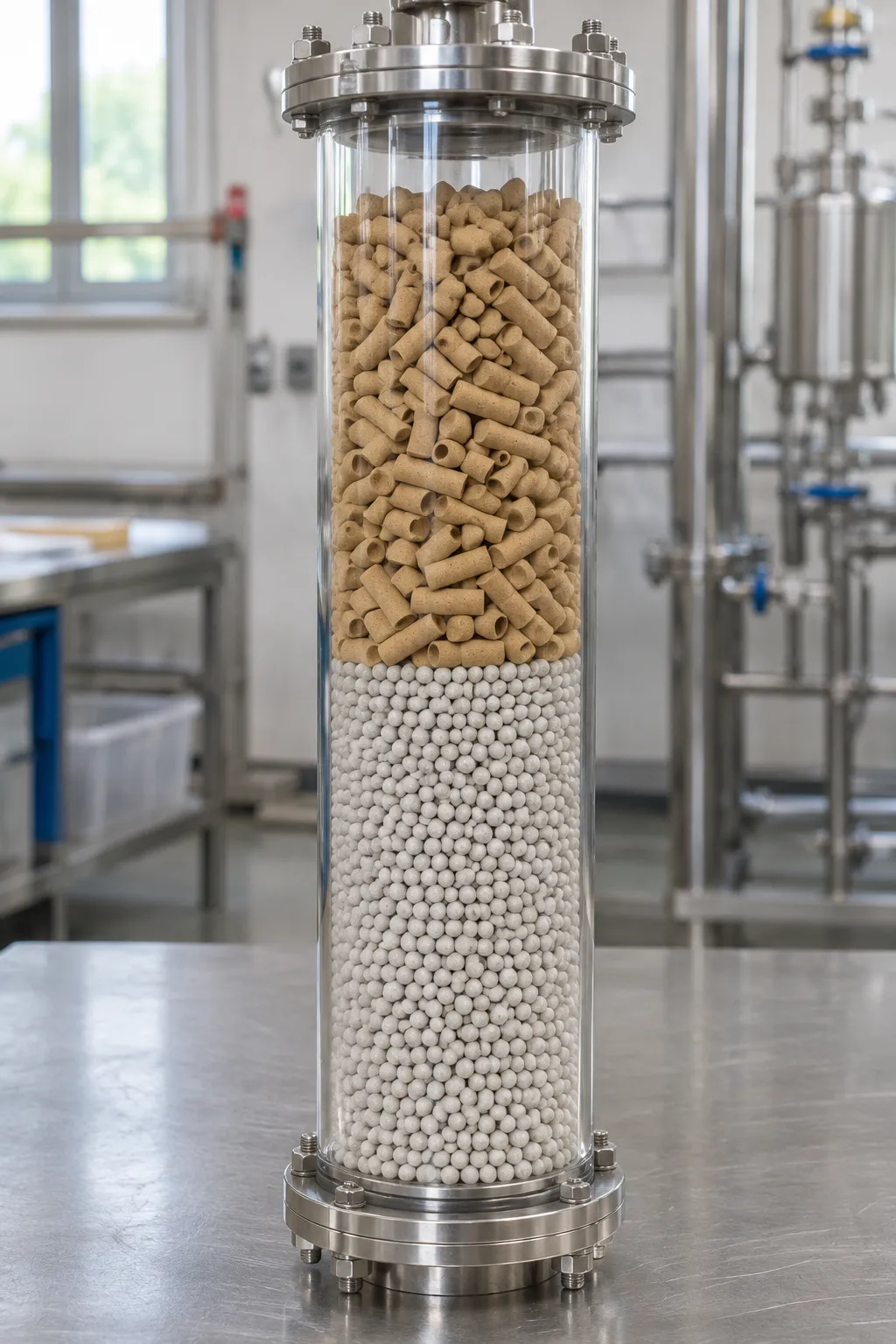
Regeneration conditions vary by medium and dryer design. Heatless dryers regenerate with low-pressure dry purge gas, while heated systems use a controlled temperature profile and sweep gas. Follow the specified inlet temperature, flow, hold time and cooling procedure for the installed media. Insufficient regeneration leaves residual water. Excessive heat or steam exposure can damage some adsorbents.
Compare crush strength on the same particle size and shape, with the same test method. Compare attrition on an agreed method and distinguish wear generated during the test from dust already in the shipment. Fines can load filters or raise pressure drop, so both measurements belong in the qualification process where relevant.
Share your duty, bed configuration and regeneration method with Jalon to request grade-specific test data.
Request the datasheetsWhat Goes on the Purchase Sheet
Specify the test method and acceptance limit for each property that matters to the application.
Purchase sheet checklist
- 1 Static water adsorption with RH and temperature conditions stated.
- 2 Particle size and shape (1.6-2.5 mm beads, 3-5 mm pellets, 1/16″ and 1/8″ extrusions).
- 3 Crush strength by particle size.
- 4 Attrition and loss on ignition limits.
- 5 As-delivered moisture, with an agreed limit and test method.
- 6 Batch test report plus TDS and MSDS for the lot.
A batch certificate ties the delivered lot to measured values. Record the lot numbers during installation and keep the agreed acceptance criteria with the operating baseline. If performance drifts later, those records help separate a media issue from a change in feed conditions or cycle settings.
Failure Modes and How Long Desiccants Really Last
Sachet life depends on the initial moisture in the package, the seal and the rate of vapor ingress. If the product uses an indicator, follow its specified replacement criterion. For an industrial bed, trend outlet PDP, pressure drop and filter loading. A rising dew point can reflect excess inlet moisture, valve leakage or poor regeneration as well as depleted media. Check those possibilities before changing the bed.
Four common problems are attrition, inadequate regeneration, contamination and moisture pickup in storage. Fractured particles generate fines. A poorly regenerated bed starts the next cycle with less usable capacity. Oil and other carryover can block or occupy adsorption sites, and removal may be difficult. Store media in sealed moisture-resistant packaging and follow the supplier’s handling and loading instructions.
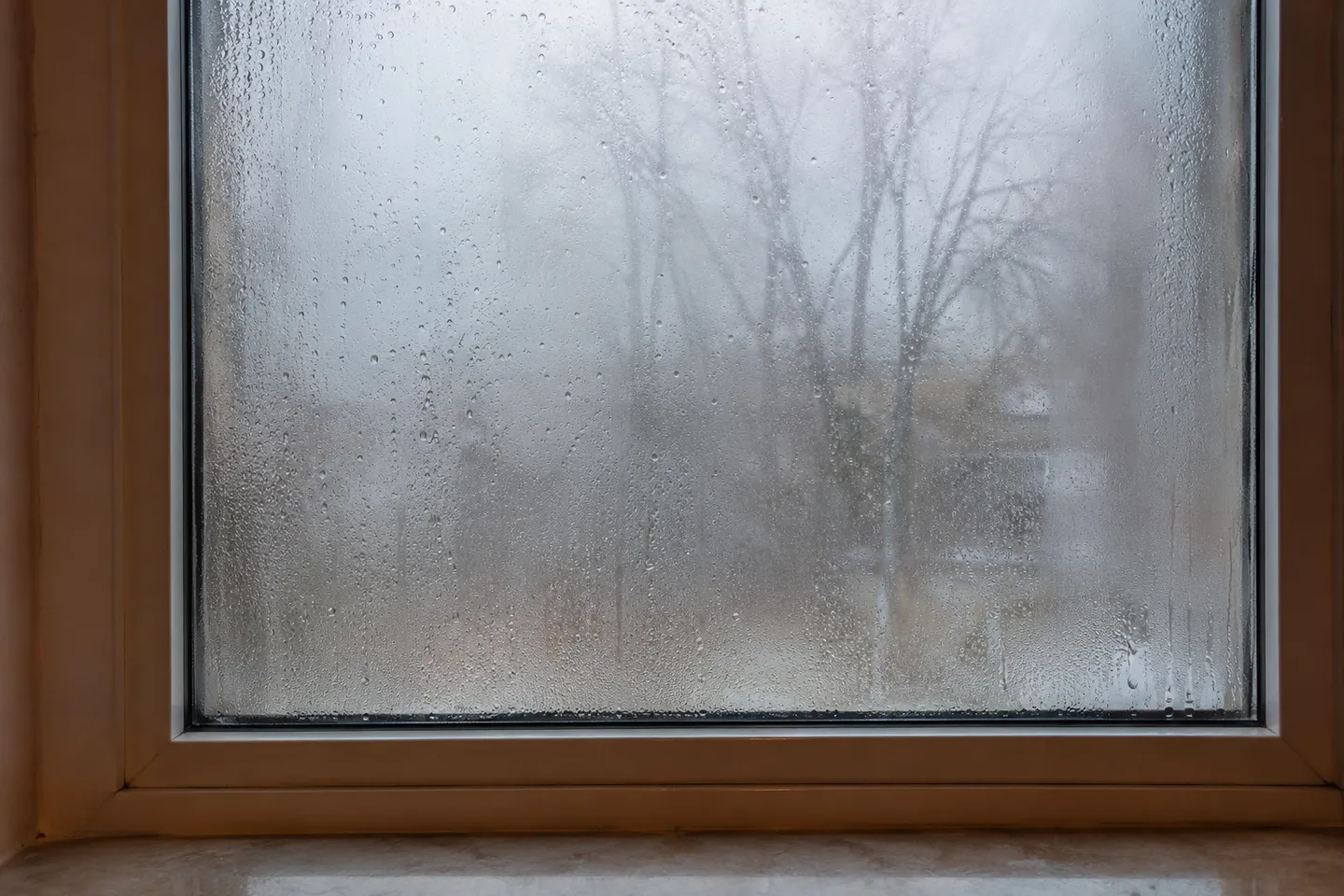
Fog between glazing panes can point to moisture ingress that has exhausted the spacer desiccant. In polyurethane formulations sensitive to moisture, water can react with isocyanate and release carbon dioxide, causing unwanted bubbles. When substituting a packaging or process desiccant, verify particle size, initial moisture content and uptake under representative conditions.
Failure boundaries and what to confirm
| Médias | Best at | Failure edge | Confirm before purchase or restart |
|---|---|---|---|
| Gel de silice | Packaging and moderate humidity | Uptake falls as humidity falls. Hot or humid storage can reduce available capacity. | Check the isotherm and the supplier’s reactivation instructions. |
| Alumine activée | Bulk vapor removal and industrial air drying | Liquid carryover, contamination and fines can reduce working performance. | Check outlet dew point, differential pressure and filters. |
| Molecular sieve 3A/4A/5A | Selective drying and low outlet moisture | Residual water after inadequate regeneration. Potential contamination by feed carryover. | Confirm the approved regeneration cycle and lot moisture limit. |
| Tamis moléculaire 13X | Water and CO₂ removal in a qualified system | Liquid or oil carryover and competition from other adsorbates. | Confirm pretreatment, outlet limits for each contaminant and regeneration settings. |
Before loading a fresh bed: check the packaging seal, confirm the media grade and lot, and verify that the regeneration settings match the installed material.
After restart, record outlet dew point and pressure drop across complete cycles. Those readings provide a baseline for the next inspection.
When Can a Desiccant Be Reused?
Reuse depends on the material and the conditions that caused its performance to decline. A clean, regenerable adsorbent can give up water when exposed to a suitable combination of dry gas, lower water-vapor partial pressure and heat. A bed that has lost particles, absorbed oil carryover or suffered structural damage may not recover its original performance after a normal cycle. The dryer’s operating instructions should define the conditions for regeneration and any checks required before returning the tower to service.
For a packaged desiccant, check whether the supplier approves reactivation of the specific product. The sachet material and any indicator can have different temperature limits from the drying media. A deliquescent cartridge that has formed brine is generally replaced as a unit according to its instructions. Keep spare media sealed until use, since exposure during storage spends capacity that would otherwise be available in the package or dryer.
Choosing a Desiccant for Your Conditions
For a packaged product, start with the maximum allowed humidity and how long it must be maintained. For a gas dryer, start with the inlet conditions, required outlet dew point, and regeneration method. These requirements determine how much usable capacity the desiccant needs.
Jalon offers molecular sieves and activated alumina for selective drying and bulk vapor removal. For a specification review, share your feed conditions, approved grade, particle size and regeneration options so the supplier can identify candidates and provide the relevant test conditions.
Examen des spécifications du dessiccant
Find a Desiccant for Your Operating Conditions
Share your humidity or pressure dew point target, process conditions and regeneration method to request grade-specific data.
Start a specification reviewRéférences
- International Union of Pure and Applied Chemistry. Adsorption.
- Commission des structures de l’Association internationale des zéolites. Database of Zeolite Structures: FAU Framework.
- Ressources naturelles Canada. Guide de référence sur l'efficacité énergétique : l'air comprimé.
- Département américain de l’Énergie. Améliorer les performances des systèmes d’air comprimé : un guide de référence pour l’industrie.
- Journal of Chemical & Engineering Data. Adsorption Equilibria of Water Vapor on an Alumina/Zeolite 13X Composite and Silica Gel.
- Chemical Engineering Science. Effects of Capillary Condensation on Adsorption and Thermal Desorption Dynamics of Water in Zeolite 13X and Layered Beds.



 EN
 DE
 ES
 JA
 RU
 PT
 FR
 AR
 KO
 TH
 ID